A four-day public holiday around the 12 February election had raised hopes of a surge in domestic tourism, but strict election-related restrictions have brought travel to a near standstill, delivering a heavy blow to hotels, resorts, and tourism-dependent businesses across the country.
In Chattogram, businessman Lavlu Abu Naeem and ten friends had meticulously planned a short getaway to the hills of Bandarban, booking two days at Jalpahar Resort in Alikadam upazila to take advantage of the election-time break.
However, their plans were abruptly cancelled when resort authorities, following administrative directives, called off the booking. With travel no longer feasible, the group had no option but to abandon their trip.
Their experience mirrors the plight of thousands of potential tourists. Many who had planned trips to Cox’s Bazar, the Chattogram Hill Tracts, and other popular destinations before and after the 12 February election have seen their holiday plans disrupted. Hotel, motel, and resort bookings in these areas have fallen sharply, in some cases dropping close to zero.

Government employees are set to enjoy four consecutive days off around the election, with 11 February declared a general holiday. Combined with the polling day holiday on 12 February and the weekend holidays on Friday and Saturday, the break effectively runs from February 11 to 14. Industrial workers have also been granted an additional holiday on 10 February.
Despite the extended holiday, the tourism sector has failed to benefit. Industry insiders say the situation has been compounded by the approach of Ramadan shortly after the election, further dampening demand throughout February.



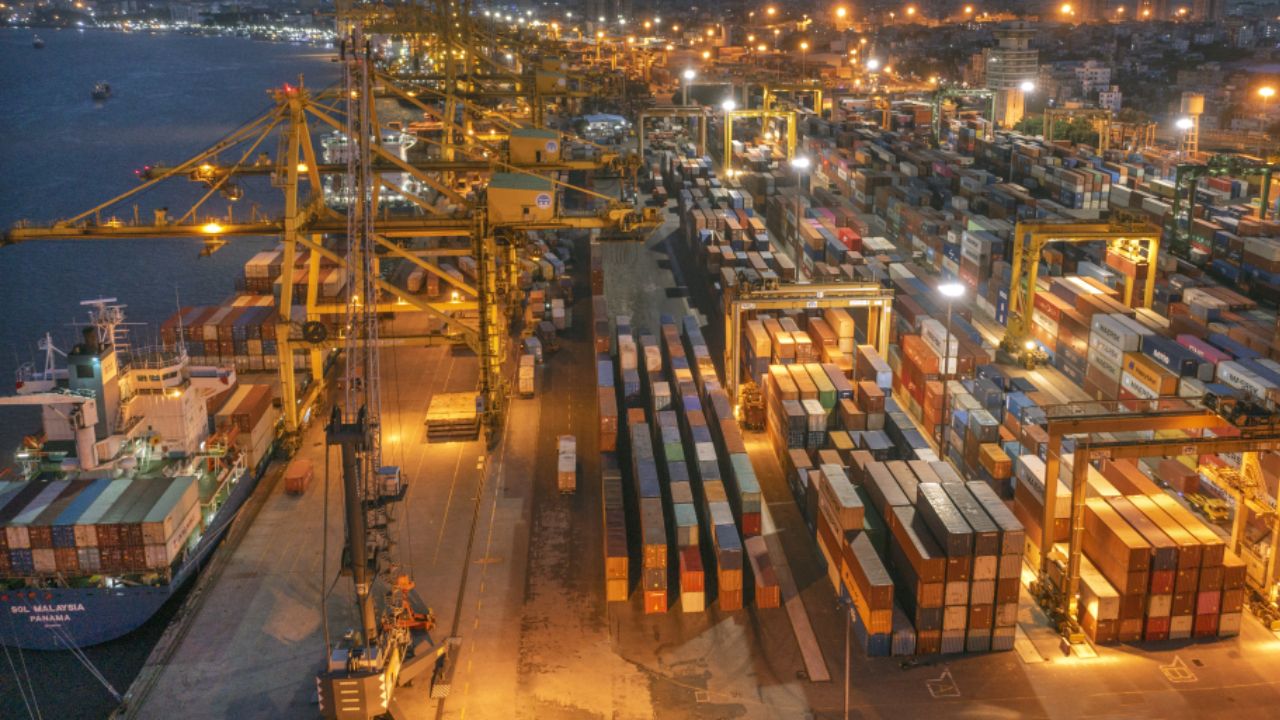
Even high-end hotels have felt the impact. Normally, the five-star Radisson Blu Chattogram Bay View Hotel maintains bookings for more than 150 of its 241 rooms. During the election period, however, that number has fallen below 100, largely due to the reduced movement of foreign guests and travel restrictions. Faysal Kabir, manager of the hotel’s sales and marketing department, told The Times of Bangladesh that bookings are expected to drop further to around 70 rooms during the election. “That means our occupancy will decline by nearly 50 percent during this period,” he said.
Similar conditions prevail across other tourism hubs. Cox’s Bazar, Bandarban, Rangamati, and Khagrachari are all reporting a steep downturn. According to the Cox’s Bazar Hotel Motel Owners Association, the beach town has over 500 hotels and motels employing thousands of people, yet bookings are nearly non-existent during the election period.
Kaium Chowdhury, managing director of Hotel The Cox Today, said, “The business condition of all hotels and motels in Cox’s Bazar is very bad. Bookings are almost closed. Our 270-room hotel is facing the same reality.”
Tourism stakeholders point to the strict restrictions on vehicle movement as the primary cause of the collapse.
The Election Commission has stated that no vehicle will be allowed to operate on polling day without its approval. As a result, inter-district buses, rented vehicles, and private cars cannot move freely. Additionally, motorcycles are banned from midnight on February 10 to midnight on February 13. Pickups, microbuses, trucks, and launches are barred from midnight on February 11 until midnight on February 12.
The impact has been particularly severe in hill districts. Hotels and motels in the hilly upazilas are now almost deserted. Md Yusuf Chowdhury, general secretary of the Rangamati Residential Hotel Owners Association, said, “Rangamati city alone has around 100 accommodation facilities, including 54 residential hotels and 15 houseboats. All of them are now virtually without tourists because of transport restrictions during the election holidays.”
Neaz Uddin, owner of Hotel Square Park in Rangamati, said, “Ramadan will begin right after the election holidays. The chances of tourists coming then are very low. So we will likely have to bear losses throughout February.”
With travel curtailed and tourist hotspots empty, the election holidays have become a period of widespread economic setback for the country’s hospitality and tourism industry.