The government has approved a comprehensive project worth Tk43.99 crore to develop, strengthen, and upgrade Bangladesh’s only Venom Research Centre (VRC), located at Chittagong Medical College (CMC), into an international-standard national research centre, ending years of severe financial uncertainty.
The centre currently holds 1,504.78 grams (nearly 1.5kg) of processed snake venom collected over eight years of research, with an estimated international market value ranging between $225,000 and $600,000 (approximately Tk2.70 crore to Tk7.20 crore).
Despite housing venom worth millions, the institution suffered an acute financial crisis due to a complete lack of government operational allocations between 2024 and 2026, forcing researchers to slash snake food rations to keep them alive and pushing research activities to the brink of closure.
Speaking to TIMES, CMC Hospital Medicine Department Professor Aniruddha Ghose said the three-year government funding gap severely impacted staff salaries, snake feed, and laboratory supplies.
“With funding now secured under the new project, these crises will be resolved,” Ghose said, adding that the project includes dedicated budgets for resolving manpower shortages, ensuring staff benefits, and supplying balanced food for the snakes to enable planned, systematic research.

The project, titled “Strengthening of Venom Research Centre, Bangladesh (VRC,B)”, will be implemented by the Directorate General of Health Services (DGHS) under the Health Services Division of the Ministry of Health and Family Welfare from July 2026 to June 2029.
Fully funded by the government, the Development Project Proposal (DPP) aims to transform the facility into a modern, high-tech national research centre by 2029.
Key initiatives include international-standard snake rearing, scientific venom extraction, component analysis, toxicological research, establishing a laboratory to produce safe, effective, and cost-effective indigenous antivenom, and developing clinical guidelines for snakebite management.



CMC was strategically selected as the project hub due to the rich geographical and environmental diversity of the Chittagong Division, particularly the high risk of snakebites in the coastal, forested, rural, and hill districts of Bandarban, Rangamati, and Khagrachhari in the Chittagong Hill Tracts.
Proximity to India and Myanmar and the presence of diverse venomous species make the region ideal for identifying clinically important snakes, collecting and analysing venom, and studying geographical variations in venom composition.
To create an effective research network, the project plans to collaborate with Chittagong University, Bangladesh Institute of Tropical and Infectious Diseases (BITID), Chittagong Veterinary and Animal Sciences University (CVASU), and the Protein Lab of Rajshahi University for integrated research, veterinary support, lab capacity building, training, and knowledge exchange, alongside domestic and international research partnerships.
The lack of operational funds previously severely impaired daily activities and animal care, forcing researchers to cut mouse production, the snakes’ main diet, from six feeding days a week to four, while venomous snakes in the serpentarium were fed just once every 15 days.


The serpentarium had been struggling to operate on the damp ground floor of an abandoned two-storey building on the CMC campus.
Established in May 2018 following the World Health Organization’s (WHO) 2017 classification of snakebites as a neglected tropical disease and its 2018 global push for antivenom production, the centre started with just 56 snakes in 2018–19 season.
Its collection later grew to over 400 and currently houses over 370 venomous snakes across 11 species in a 3,000-square-foot facility comprising a serpentarium, mouse breeding room, and lab. Key species housed include the Cobra (Gokhra), King Cobra, Krait (Kalach), Russell’s Viper (Chandrabora), and Green Pit Viper.

According to catalogues from international venom suppliers, including Kentucky Reptile Zoo in the US and Venom Supplies in Australia, scientific-grade snake venom sells for $100 to $400 per gram depending on species and properties.
While the centre’s 1.5kg preserved stockpile is estimated at Tk2.70 crore to Tk7.20 crore, experts note this valuation represents research utility rather than a directly liquidatable commercial asset, as value relies heavily on species purity, processing, and research suitability.
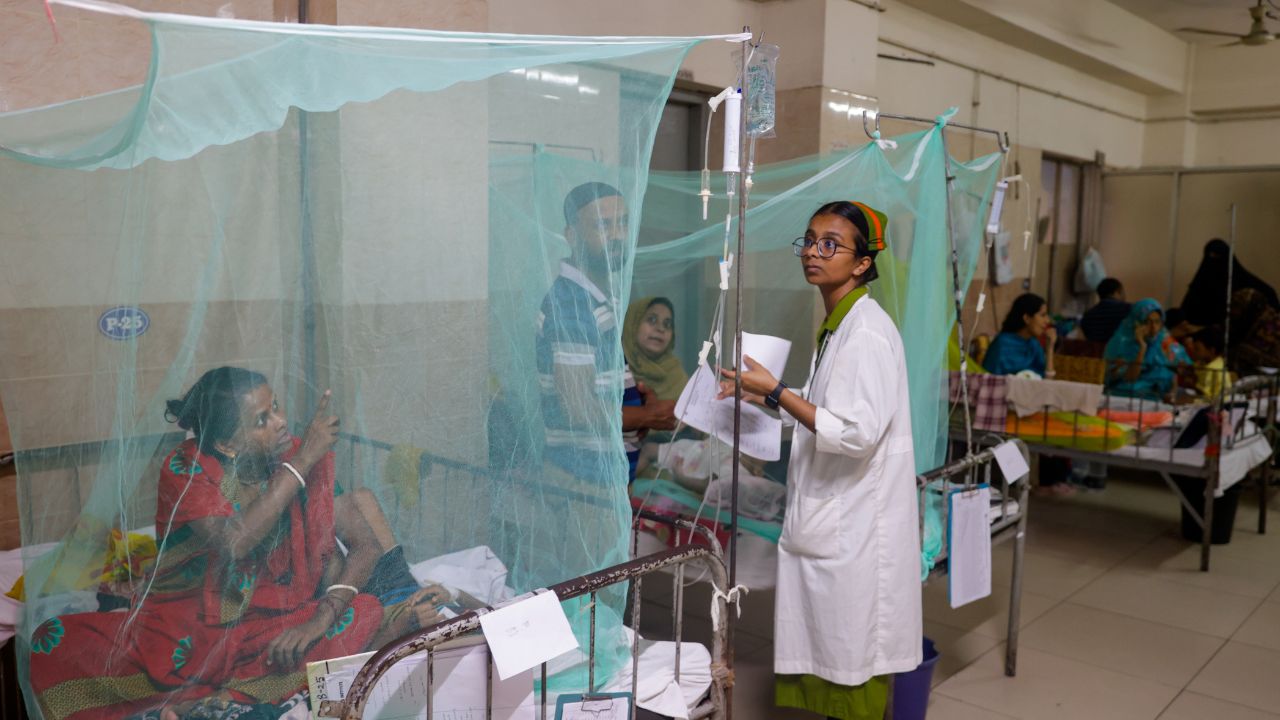
In Bangladesh, snakebites afflict nearly 600,000 (six lakh) people annually, resulting in more than 6,000 deaths. Currently, the country relies heavily on imported antivenom from India, despite growing concerns regarding efficacy differences against local snake venom strains.
Addressing this gap, VRC researchers have already made significant experimental progress in developing an effective monovalent antivenom against Russell’s viper venom.
With full government backing, stakeholders anticipate that the upgraded centre will move beyond venom preservation to spearhead the creation of effective, locally manufactured antivenom to save thousands of lives across the nation.