


Understanding how food is prepared and combined is essential to preventing iron deficiency, as the body’s ability to absorb iron depends not only on what people eat but also on how food is prepared and consumed.
Global estimates suggest that around one in three people suffers from iron deficiency, making it the most common nutritional deficiency worldwide, particularly among children and women of reproductive age. Common symptoms include fatigue, weakness and shortness of breath, caused by the body’s reduced ability to produce haemoglobin, the protein responsible for transporting oxygen throughout the body.
Susan Fairweather-Tait, professor of mineral metabolism at the University of East Anglia, emphasises the importance of a balanced diet in preventing anaemia, reports BBC.
Dietary iron comes in two forms: haem iron, found in meat and seafood, and non-haem iron, found in plant-based foods. The body absorbs haem iron more easily, at a rate of 15 to 30 per cent. By comparison, absorption of non-haem iron is much lower, at around 2 per cent from dried legumes and 7 to 9 per cent from leafy vegetables.
As concerns over cost, health risks and environmental impacts lead some people to reduce their red meat consumption, the risk of iron deficiency could increase unless suitable alternatives are included in their diets.

However, Yemisi Latunde-Dada, senior lecturer in nutritional sciences at King’s College London, says plant-based foods can meet daily iron requirements if prepared properly to improve iron absorption.
Food preparation and vitamin C
Food preparation methods can significantly affect how much iron the body absorbs. Leafy vegetables high in oxalates, such as spinach, Swiss chard and beetroot leaves, contain compounds that bind to iron and restrict its absorption. Boiling these vegetables helps release oxalates, increasing the amount of iron available to the body.
By contrast, low-oxalate vegetables such as lettuce, cabbage and bok choy do not need to be boiled. Eating them raw or steaming them helps preserve vitamin C, which further improves iron absorption.
Combining iron-rich foods with vitamin C is another effective way to increase iron absorption. Latunde-Dada describes vitamin C as a powerful enhancer of plant-based iron uptake.




Simple ways to include vitamin C in meals include squeezing lemon juice over food or having a small glass of orange juice with sourdough toast at breakfast.
Fermentation and fortified foods
Fermentation can also improve iron absorption by breaking down phytic acid, a compound found in grains, nuts and seeds that restricts iron uptake. This makes sourdough bread a better option than conventional bread.
However, relying solely on fortified staple foods, such as commercial bread and breakfast cereals, may not provide sufficient iron. Manufacturers often use less absorbable, unreactive forms of iron to avoid affecting the taste, colour or shelf life of their products.
Fairweather-Tait cautions that the body absorbs little iron from most fortified products. Research shows that iron absorption from fortified infant cereals ranges from just 0.6 to 2.2 per cent. In separate research, absorption from refined white flour bread rolls reached up to 13.6 per cent.
Iron content in common foods
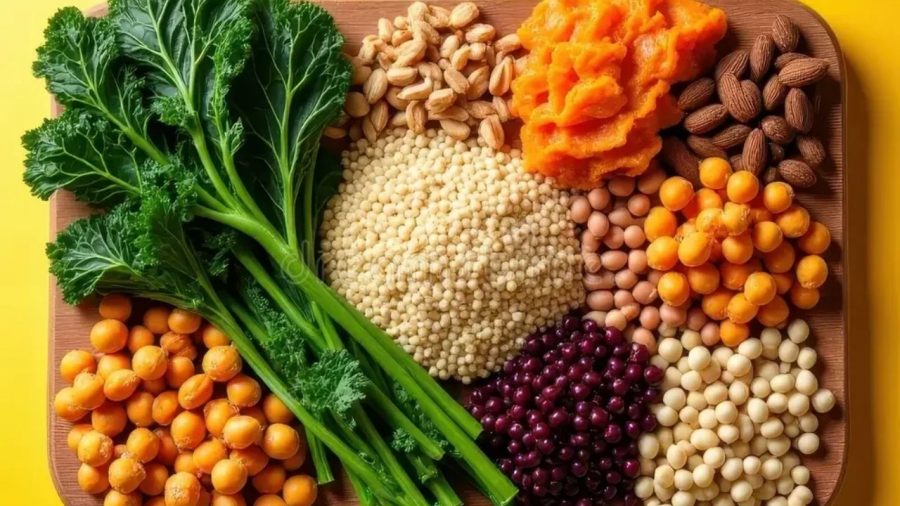
Plant-based foods provide varying amounts of iron. Per 100g, rump steak contains 3.6mg of iron, while sunflower seeds provide 6.4mg. A 30g serving of sunflower seeds contains approximately 1.9mg of iron.
Other plant-based sources include chickpeas, with 2mg of iron per 100g, tofu with 1.2mg and broccoli with 1mg.
What people drink and when they consume it also affect iron absorption. Compounds such as polyphenols, tannins, fibre and phytates can restrict the body’s ability to absorb iron.
Tea and coffee contain high levels of tannins and polyphenols. Drinking them alongside iron-rich meals, including breakfast cereals, can therefore reduce iron absorption.
To minimise this effect, Fairweather-Tait advises waiting at least two hours after a meal before drinking tea.
Daily iron intake and supplements
Daily iron requirements take into account the body’s limited absorption capacity. People generally absorb only 1 to 2mg of iron a day, an amount that replaces routine losses through sweat and menstruation.
Fairweather-Tait recommends eating small, balanced portions of iron-rich foods regularly throughout the day. Consuming too much iron at once can reduce absorption efficiency because the body tightly regulates how much iron it takes in.
Health experts also advise seeking medical guidance before taking iron supplements, as the body naturally regulates iron absorption to maintain balance and prevent excessive intake.