




Half a century ago, a young Frenchwoman named Michèle Mouton walked into the fiercest, most male-dominated corner of motorsport – world rally racing – and simply refused to leave. She won four World Rally Championship rounds in the brutal Group B era, finished runner-up in the 1982 drivers’ championship, and later became the first president of the FIA’s Women in Motorsport Commission, spending decades opening doors for the women who came after her.
Mouton’s insistence that talent, not gender, decide who gets to compete has become something of a template for women breaking into officiating and coaching roles worldwide – including, increasingly, in Bangladesh.
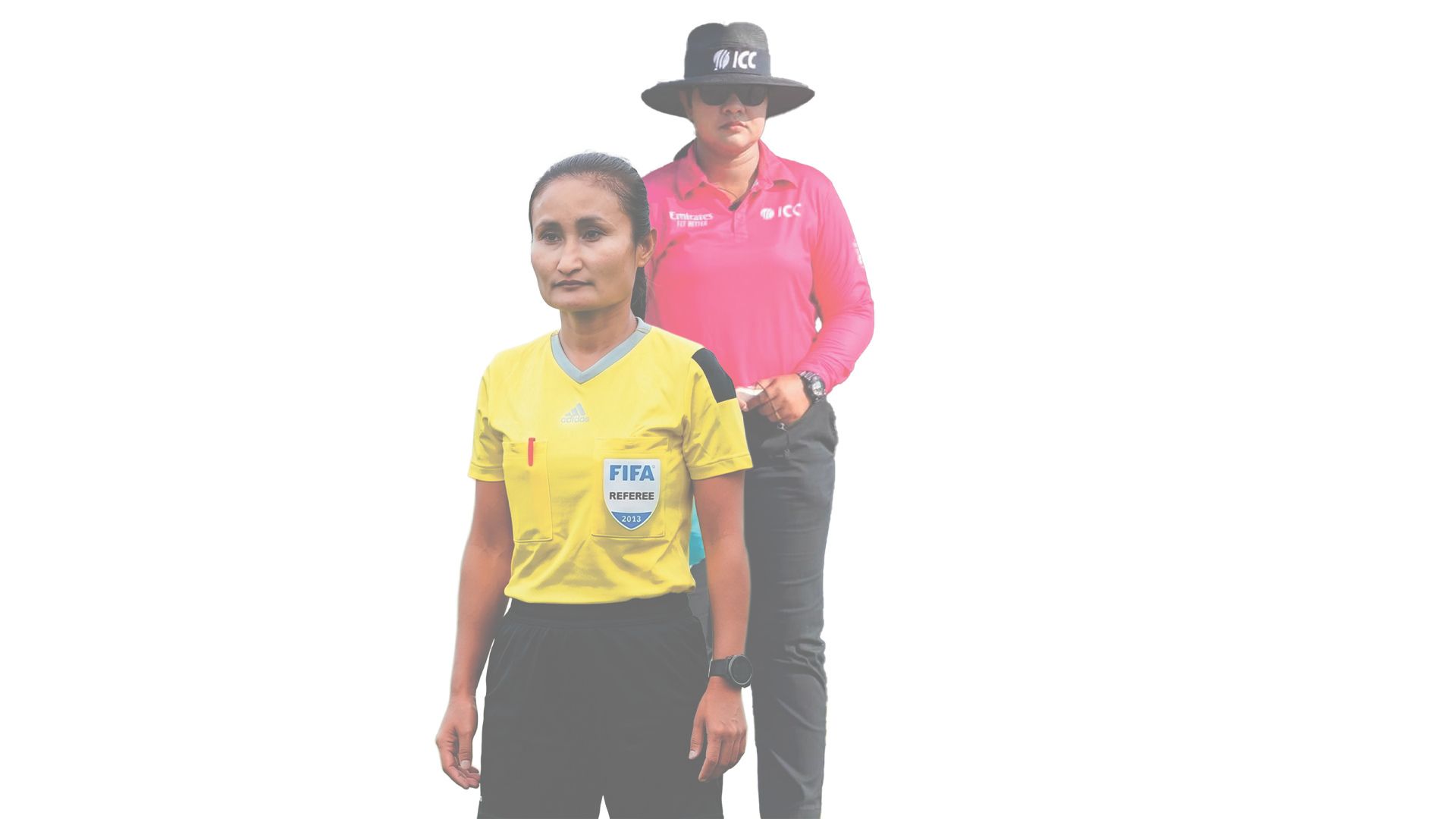
Jaya Chakma’s path did not run through rally stages but through the sidelines of Bangladeshi football grounds. Growing up in Rangamati at a time when, in her words, sport was widely seen as “not for girls”, Chakma played for the national women’s team before turning to officiating – earning her FIFA Class-III coaching badge in 2010 and Class-II in 2013 while beginning to referee domestic matches.
The FIFA referee exam did not come easily; she failed it repeatedly over several years before finally passing in December 2019, becoming Bangladesh’s first FIFA-accredited female referee alongside fellow official Salma Akter.
In June 2022, Chakma officiated both legs of a Bangladesh-Malaysia women’s international friendly – a first for a Bangladeshi woman – all while coaching at the Bangladesh Krira Shikkha Protishthan (BKSP) and completing a master’s degree in physical education.
She has since gone on to referee at the SAFF U-20 Women’s Championship and was honoured in 2024 with a Special Jury Award for advancing gender equality in sport. As she has put it, being a woman never stopped her from being the one holding up the red card.
In cricket, that same persistence belongs to Shathira Jakir Jessy. A former domestic player for Rangpur division, Jessy says she was dropped from national contention in 2012 for the simple reason that she had married – a decision that might have ended most careers.
Instead, she passed her umpiring certification in 2009 and, after years without an opportunity, began officiating third-division matches in 2022. She rose quickly: International appointments at the Women’s Emerging Asia Cup in 2023, a spot on the Bangladesh Cricket Board’s centrally contracted panel of umpires, and by 2024, recognition as the country’s first female international umpire, standing in first-division Dhaka Premier League matches on equal footing – and equal pay – with her male colleagues.
Jessy has been candid that pay parity is a rare bright spot in a system still far from equal, and that normalising women in the umpire’s coat in Bangladesh remains a work in progress.
Both women describe similar early obstacles: Institutions unaccustomed to female officials, fitness and certification tests that offer no allowances for the extra social resistance women face simply to attempt them, and a domestic sports culture where coaching and officiating badges have historically been treated as a male professional track.
Chakma has said she hopes to see Bangladesh reach a point where girls no longer need to be “the first” at anything in sport – where officiating and coaching are simply careers open to whoever earns the qualification.
As Bangladesh follows the buildup to FIFA’s 2026 World Cup and continues to invest in its own women’s football and cricket programmes, officials and coaches argue that visible female referees and umpires do more than balance a roster; they signal to a new generation of girls that the sport does not end at the boundary line or the touchline.
Mouton spent a career proving men and women could compete under the same rules, on the same track. Bangladesh’s own whistle-blowers are proving, match by match, that the same holds true off the field as well.


