


There are places that exist on maps. And there are places that exist in the human imagination. The Sundarbans belongs to both.
For some, it is the world’s largest mangrove forest. For others, it is an ecological treasure threatened by climate change, rising seas, and disappearing biodiversity. It is a landscape of rivers, tides, mudflats and countless species struggling to survive. Scientists study it. Environmentalists seek to protect it. Governments attempt to manage it.
Yet none of these descriptions fully explain what the Sundarbans truly is. A forest is never merely a collection of trees. Like every great landscape in human history, the Sundarbans carries stories, fears, beliefs and memories that cannot be measured by geography alone. It is inhabited not only by animals but also by myths. Bonbibi, Dakshin Rai, Gaji, Kalu, Champabatir pala and generations of folklore have transformed this landscape into something larger than nature itself. Here, reality and imagination have always lived together.
Perhaps this is why the Sundarbans continues to fascinate artists and writers. Not because it is beautiful, but because it speaks.
As a painter, I do not approach nature simply as something to observe. I approach it as a language.

Human beings have always learned to think through nature. A river has never been only flowing water. A tree has never been merely wood and leaves. Birds have carried freedom, migration, hope and longing across countless cultures. Forests have represented mystery, fear, protection and transformation long before they became subjects of scientific research.
Nature has always spoken symbolically. Perhaps artists simply continue listening. My own artistic practice grows from this conversation.
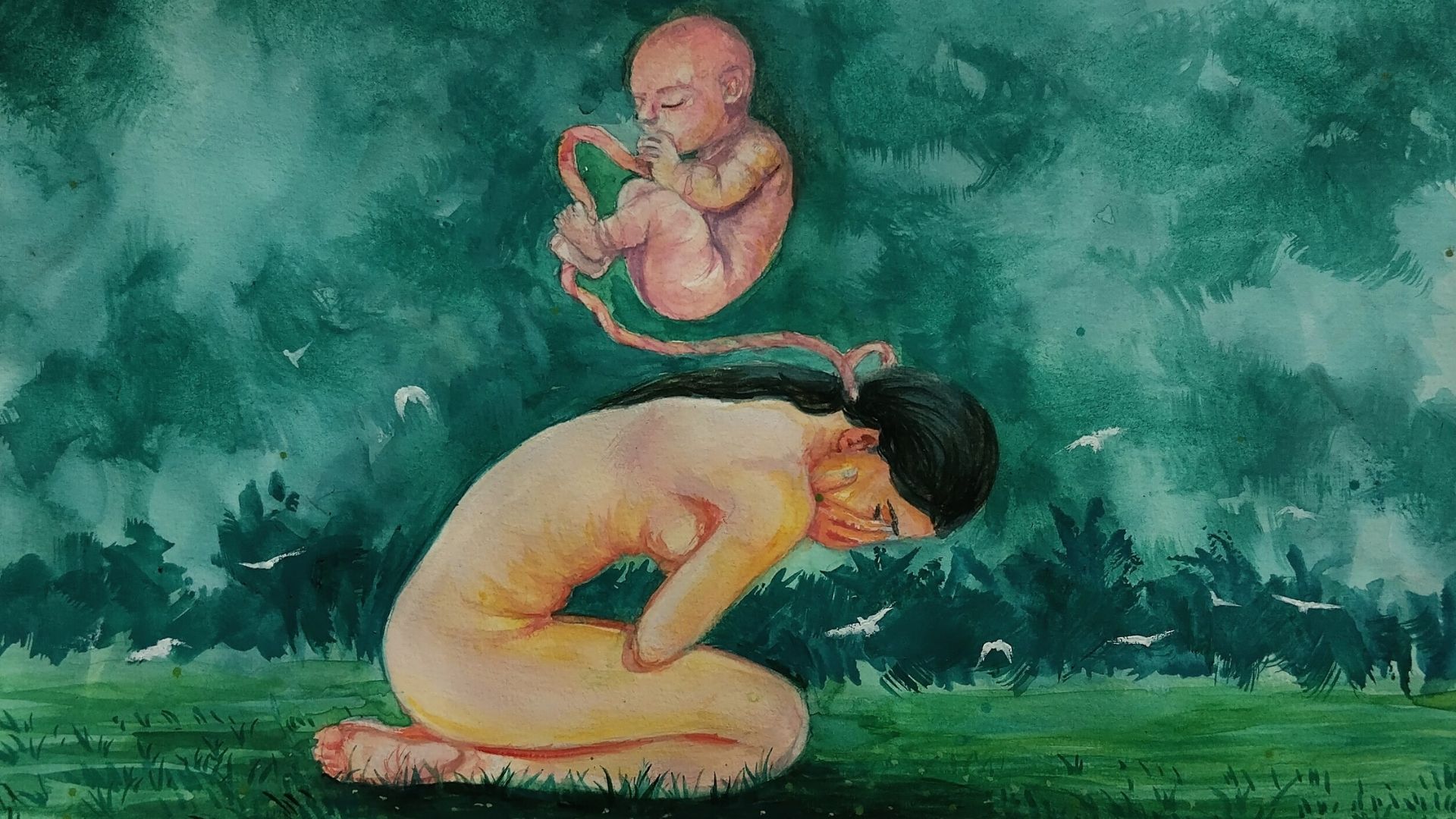
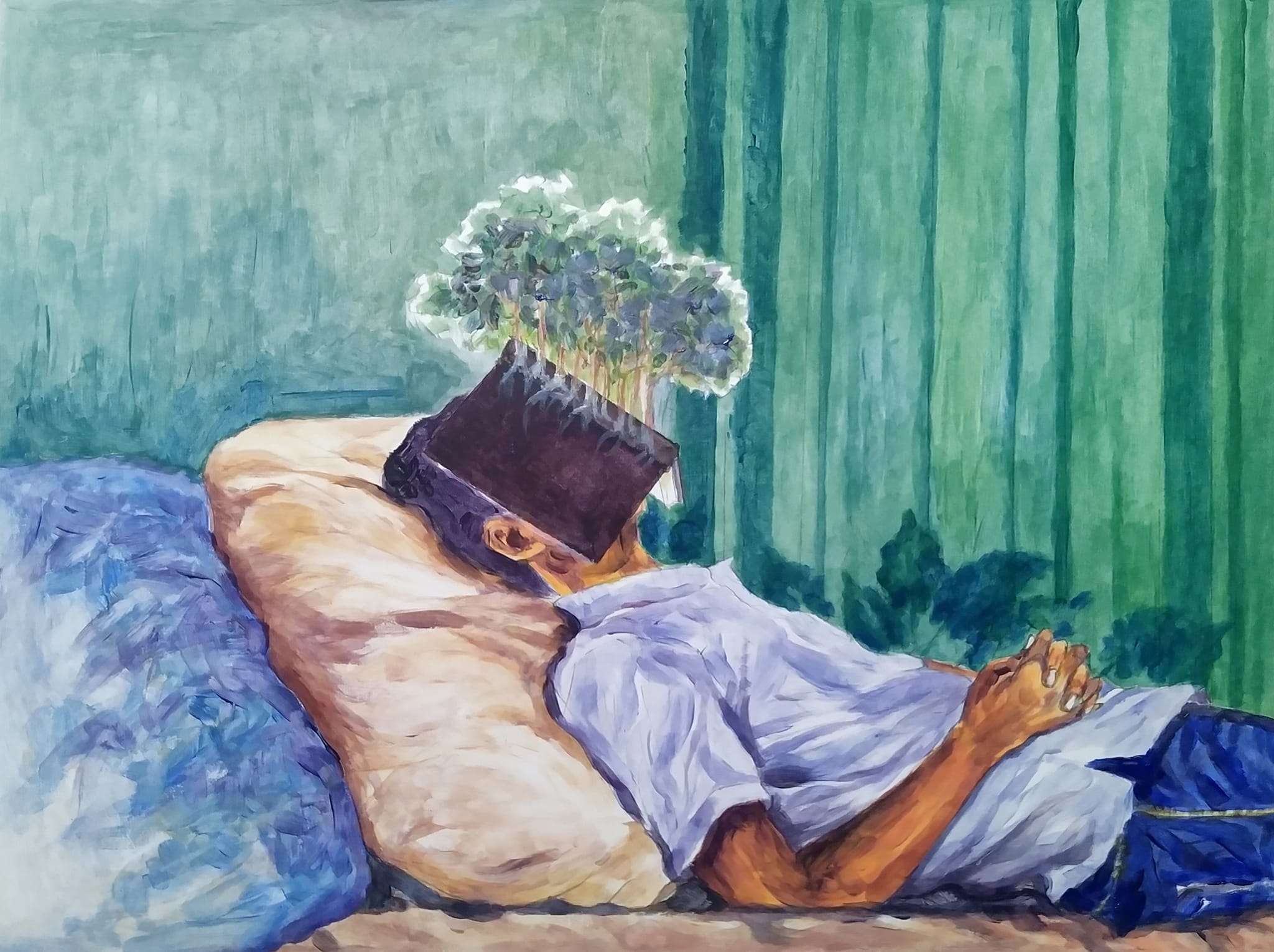
I work primarily through symbolic painting and drawing. Rather than documenting landscapes, I search for the invisible meanings they contain. The natural world enters my paintings not as a realistic record but as a symbolic presence through which human experiences become visible.
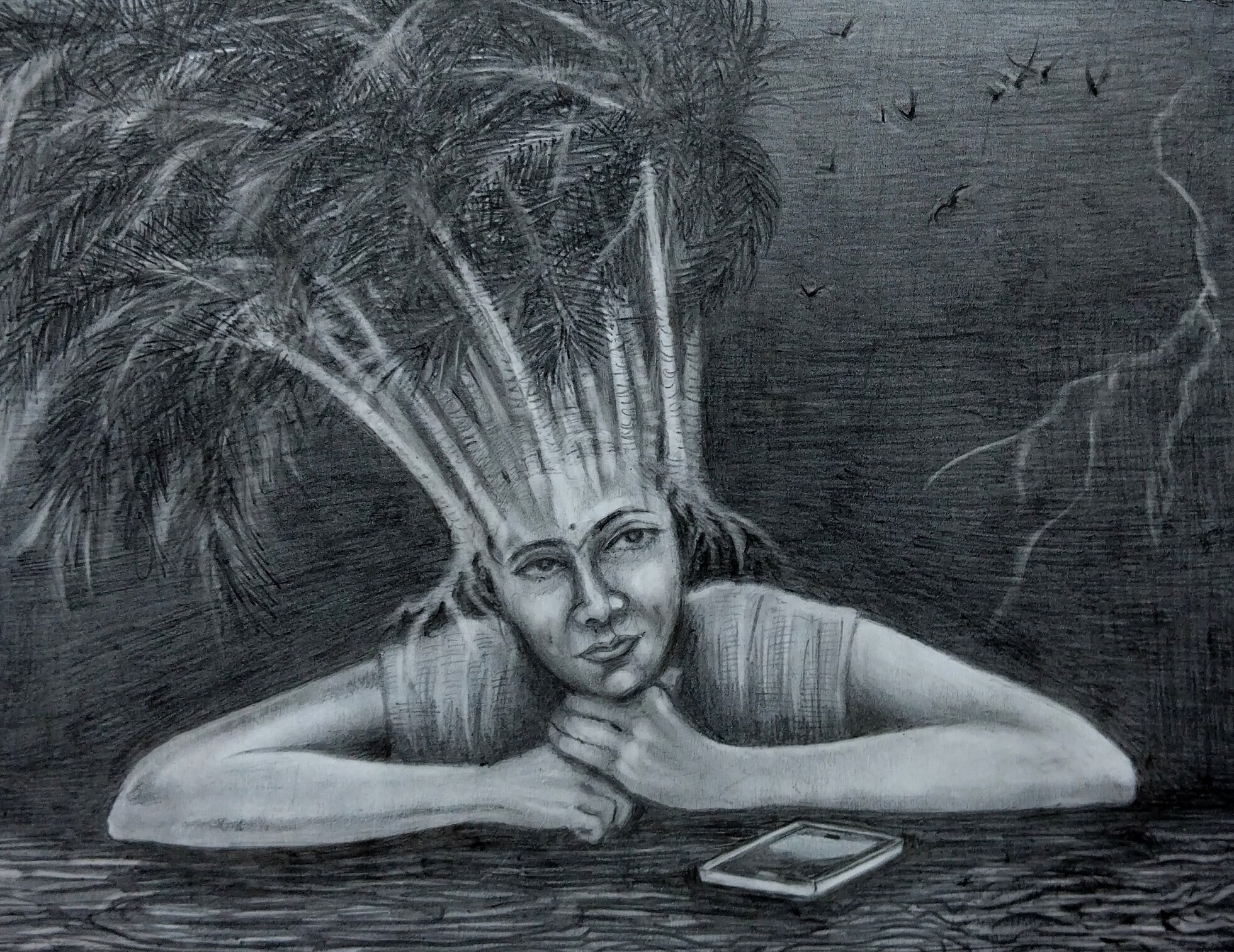
A river may become memory. A tree may become resilience. A bird may become an unanswered question. A flower may speak of hope, tenderness or impermanence. The forest itself may become a space where imagination and reality quietly meet.




None of these images possesses fixed meanings. Like poetry, they remain open, inviting viewers to complete the conversation through their own experiences. Perhaps this openness is what makes symbolic art so necessary today.
We live in an age that constantly asks for immediate explanations. Images are expected to deliver instant messages. Yet the deepest experiences of human life rarely arrive with certainty. Love, grief, loneliness, belonging, fear and hope cannot be reduced to simple definitions.
Neither can nature. The Sundarbans reminds us that every landscape contains visible and invisible worlds at the same time.
There are the rivers we can measure. And there are the rivers that flow through memory. There are forests that exist in geography and forests that survive only in imagination.
When environmental destruction occurs, we often speak about the disappearance of species, rising temperatures and damaged ecosystems. These realities are urgent and deserve our attention. But something else also disappears. Stories disappear. Languages disappear. Childhood memories disappear. Ways of seeing the world disappear. Ecological loss is also a cultural and emotional loss.
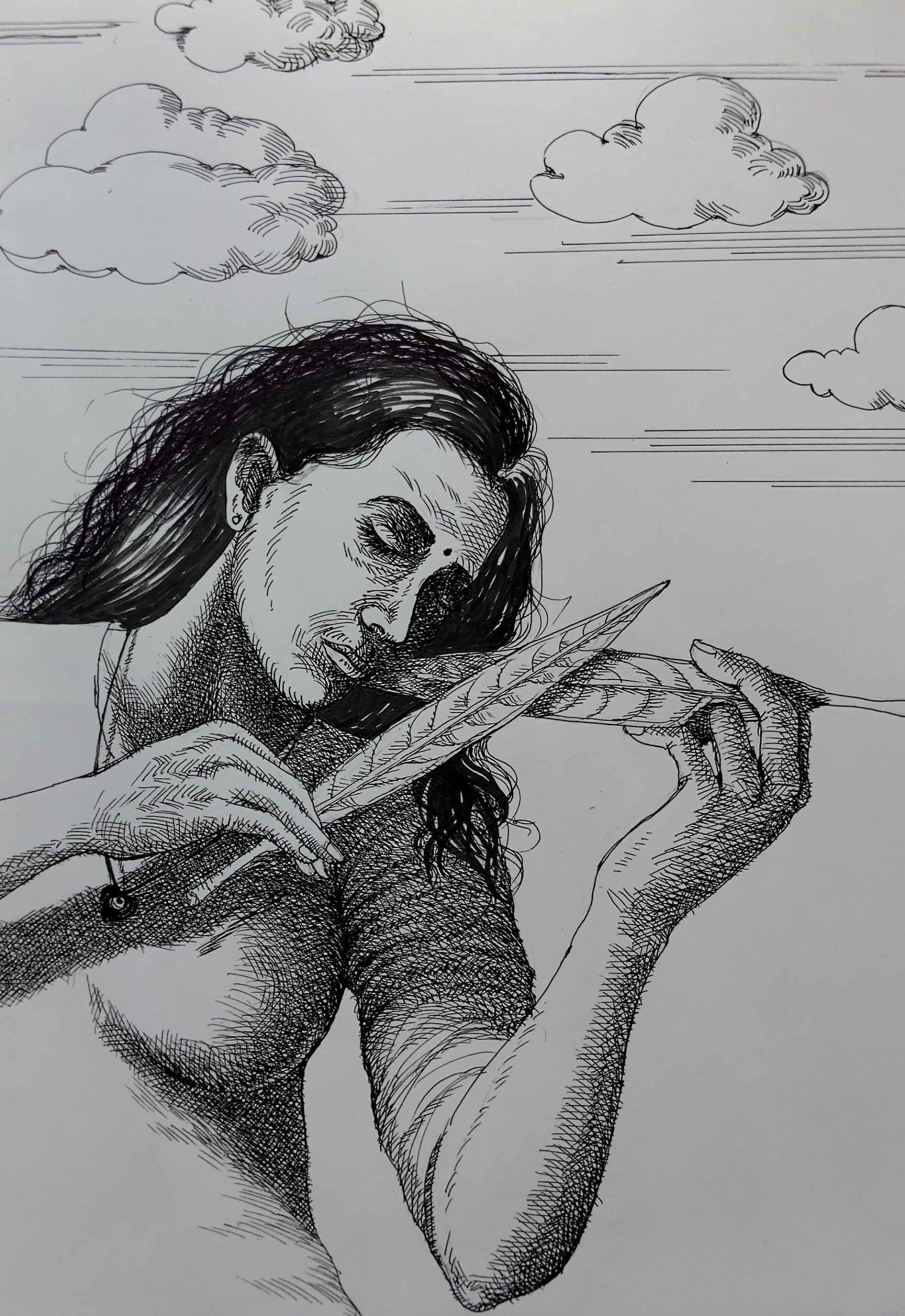
As artists, perhaps our responsibility is not only to represent environmental crisis but also to preserve the invisible relationships that human beings have always shared with nature.
A painting cannot stop a cyclone. It cannot prevent a river from changing its course. It cannot protect every tree from being cut down. But perhaps it can protect something equally important. It can protect memory. It can preserve imagination. It can remind us that landscapes are not simply places we inhabit. They are places that inhabit us. We can increase awareness among community people to the viewers. This understanding shapes my own paintings.
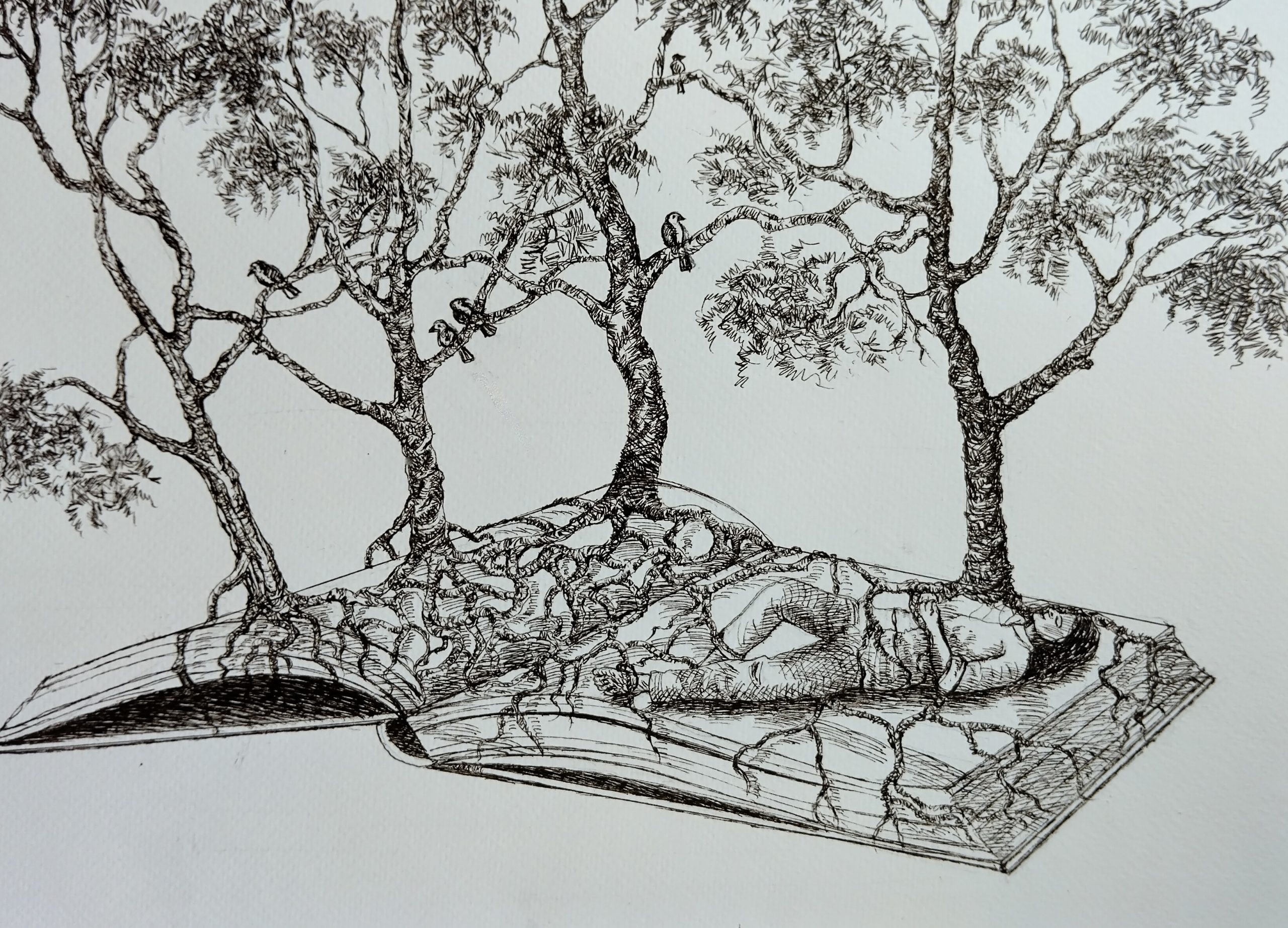
Although my work is inspired by my experiences in Bangladesh, I do not seek to create illustrations of the Sundarbans or visual reports on ecological change. Instead, I explore how nature becomes a symbolic language through which questions of memory, identity, vulnerability, transformation and hope can be expressed.
For me, ecology is not only about the survival of forests. It is also about the survival of imagination.
Perhaps this is why I continue returning to rivers, birds, trees and forests. They are not merely recurring motifs within my paintings. They are companions in an ongoing search for meanings that cannot always be spoken through words.
Every generation inherits a different landscape. Mine has inherited one that is changing before our eyes. As artists, we may not always be able to change history. But we can change perception. Sometimes that is where every meaningful transformation begins.
The Sundarbans, therefore, is far more than a geographical place. It is a living archive of memory, myth, ecology and imagination. And for me, it remains one of the most profound symbolic landscapes through which painting can continue to ask timeless questions about what it means to be human.