For millions of Bangladeshis, Eid is not complete without going home.
It is the season of reunion: mothers waiting with home-cooked meals, children counting days to see grandparents, and families gathering under one roof after months, sometimes years apart.
Yet for many residents of Dhaka, the journey home before Eid almost never feels like celebration.
Dhaka, one of the world’s most densely populated megacities, is home to more than 25 million people in its greater urban area.
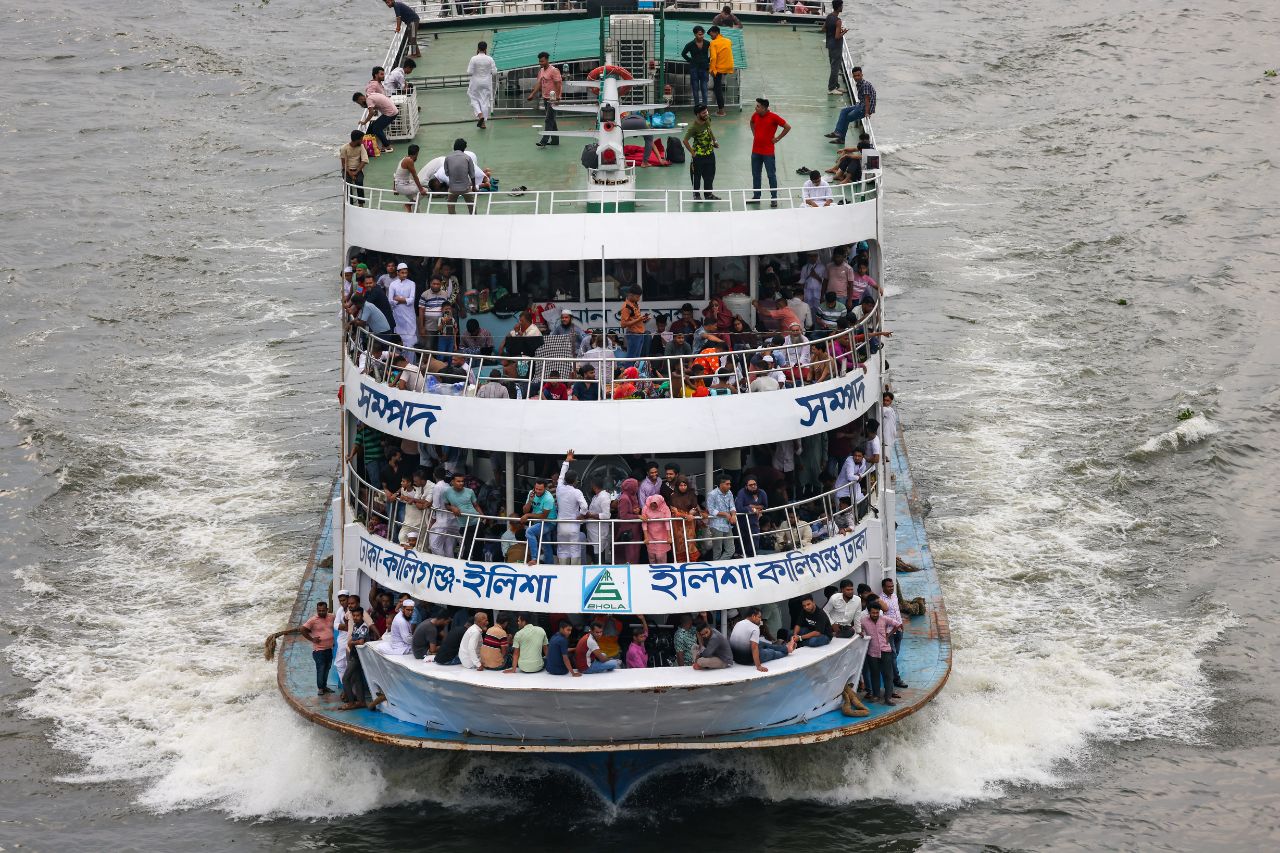
As Eid approaches, a significant portion of this population attempts to leave the capital almost at once, putting immense pressure on roads, railways and transport hubs. The transportation system of the country can barely handle such road rush.

What should be a joyful journey often turns into hours of discomfort, frustration and uncertainty.
Traffic congestion worsens dramatically during the Eid season. Highways slow to a crawl, turning journeys that normally take five or six hours into exhausting ordeals lasting much longer.




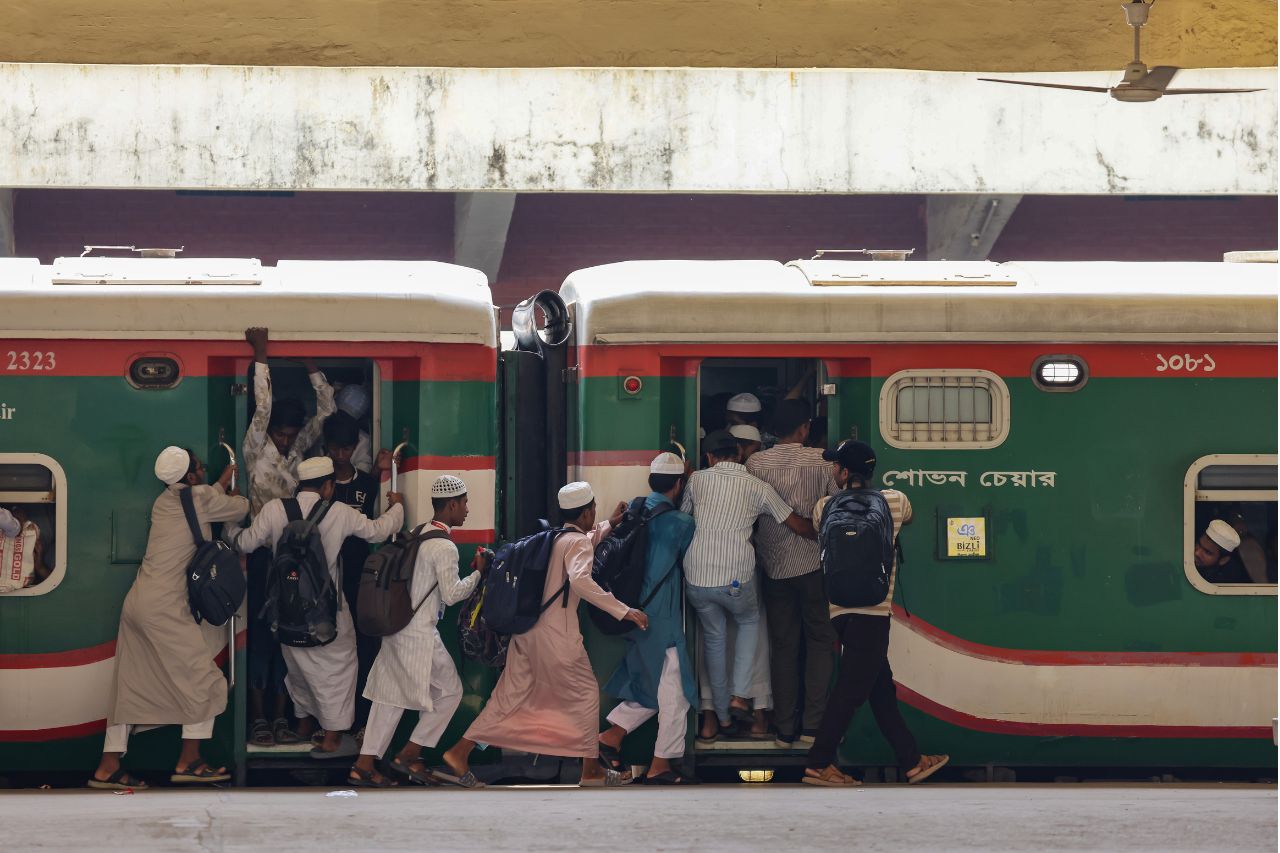
For women travelling with children, elderly passengers and people carrying heavy luggage, the experience becomes especially draining.
In this chaos, trains remain the most desired option. Compared to buses, rail travel is seen as safer, more predictable and relatively comfortable. But getting a train ticket before Eid can feel like winning a battle.
Every year, online ticket sales trigger a digital rush, with millions attempting to secucre seats within minutes. Available tickets disappear rapidly as demand far exceeds supply, leaving many disappointed.
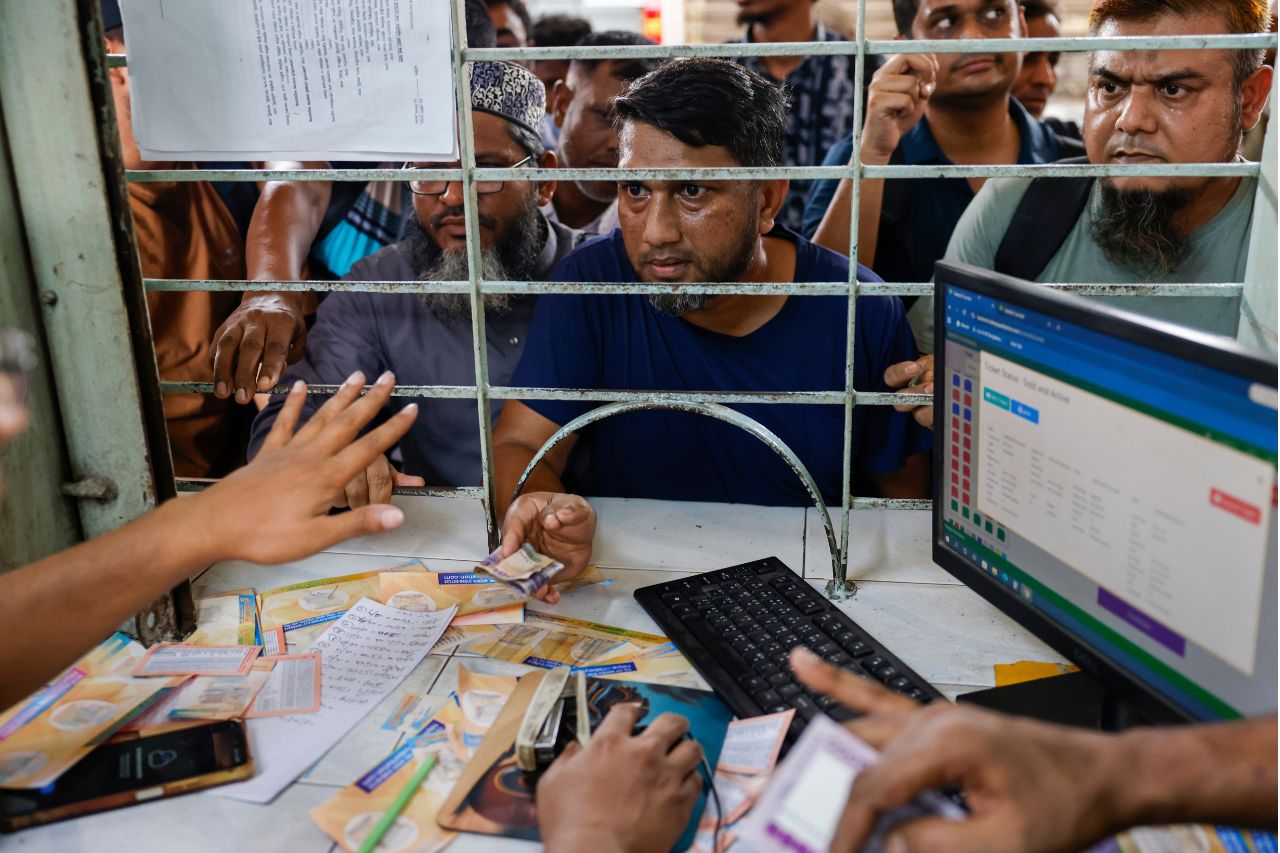
“I tried so hard with two devices, still couldn’t get it,” said Rubel Hasan, 36, a businessman.
“When I was making the transaction, someone else bought it before me. I tried again and the same thing happened. Now I have to travel by bus, and honestly, I do not like it with two children.”
Even bus travel offers little comfort. Many passengers struggle to find tickets, ending up with cramped seats at the back for long-distance trips.
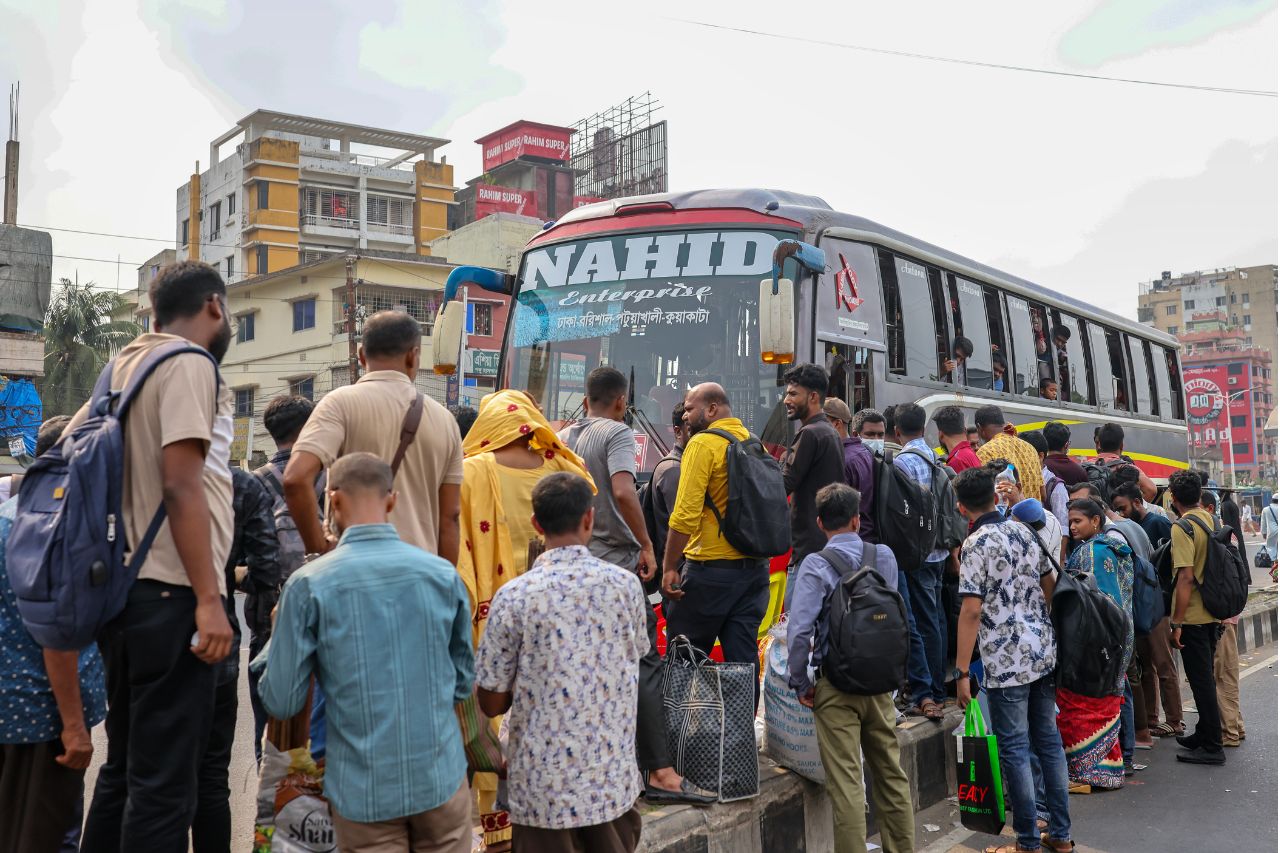
Others, unable to secure transport at all, climb onto pickup vans, trucks or whatever vehicle they can find.
“I just want to reach home safely,” said Nusrat Jahan, 24, a student from IUB, planning to go to her village in Rangpur.
“We wait all year for Eid, but the journey is very exhausting for a woman travelling alone.”
Eid is a time of joy, but for many travellers, the road home continues to expose the painful limits of Bangladesh’s transport system. Here, reaching loved ones often comes at the cost of comfort, dignity and peace of mind.