
Sweet lovers across the country know the taste of Tangail. Its Chamcham has travelled far beyond the town, winning hearts with its soft bite and rich syrup. Families returning from Tangail rarely come home without a box.
Behind this reputation sits the famous Mishti-Potti of Pachani, Tangail. More than thirty shops sit in a tight cluster in the heart of Tangail town. Here, nearly 50 maunds of sweets are sold every single day.
The history goes back almost a century. Paresh Chandra Kaur opened the first permanent sweet shop in this market. Khoka Ghosh followed, setting up Joykali Mistanno Bhandar in 1939. Others joined in over the years, and slowly the north-east corner of the bazaar became “Mishti-potti.”

The most famous of all the sweets made here is Chamcham. Its fame has travelled across Bangladesh. In 2024, Porabari Chamcham earned WIPO’s official GI tag, a proud moment for Tangail.
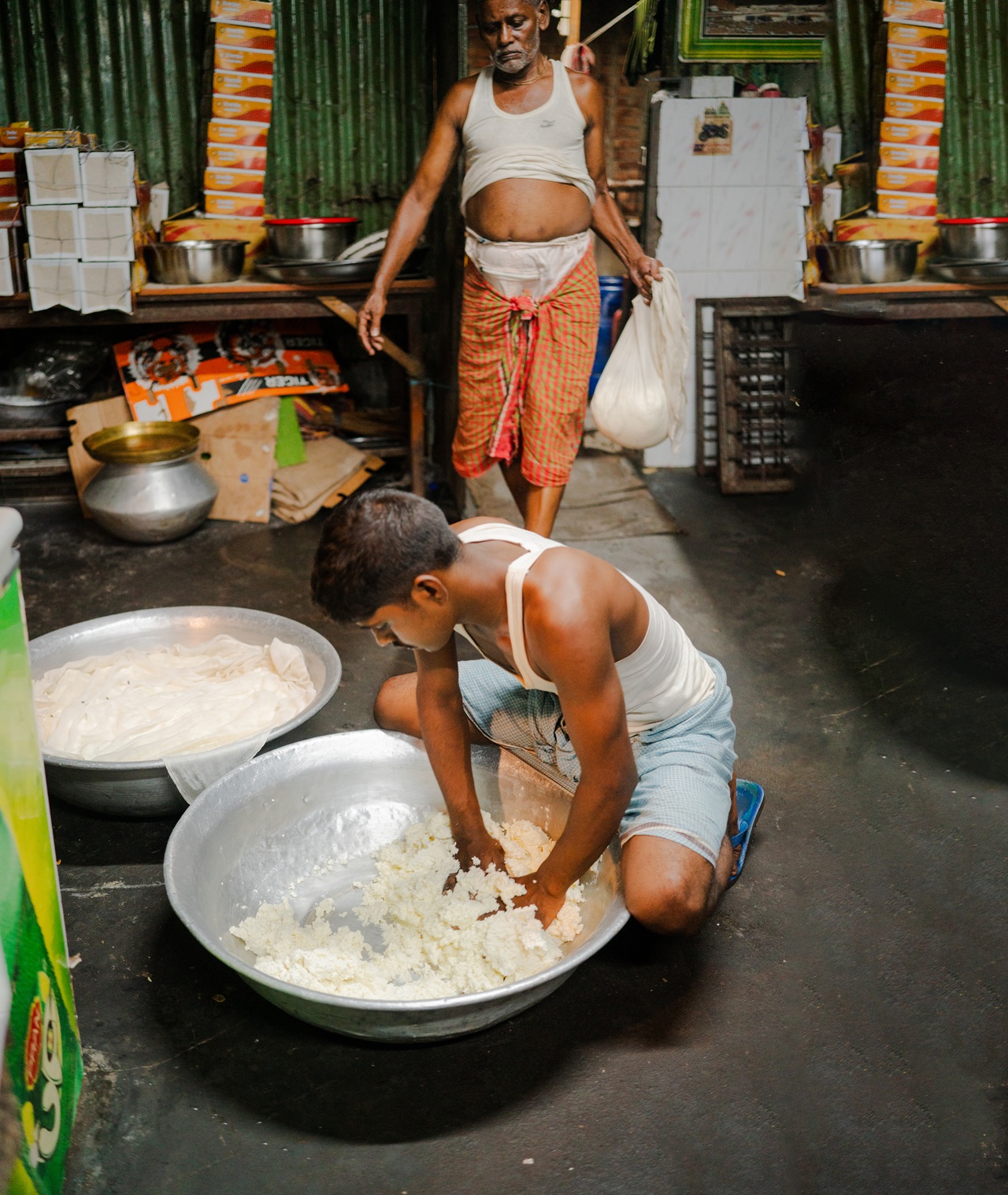
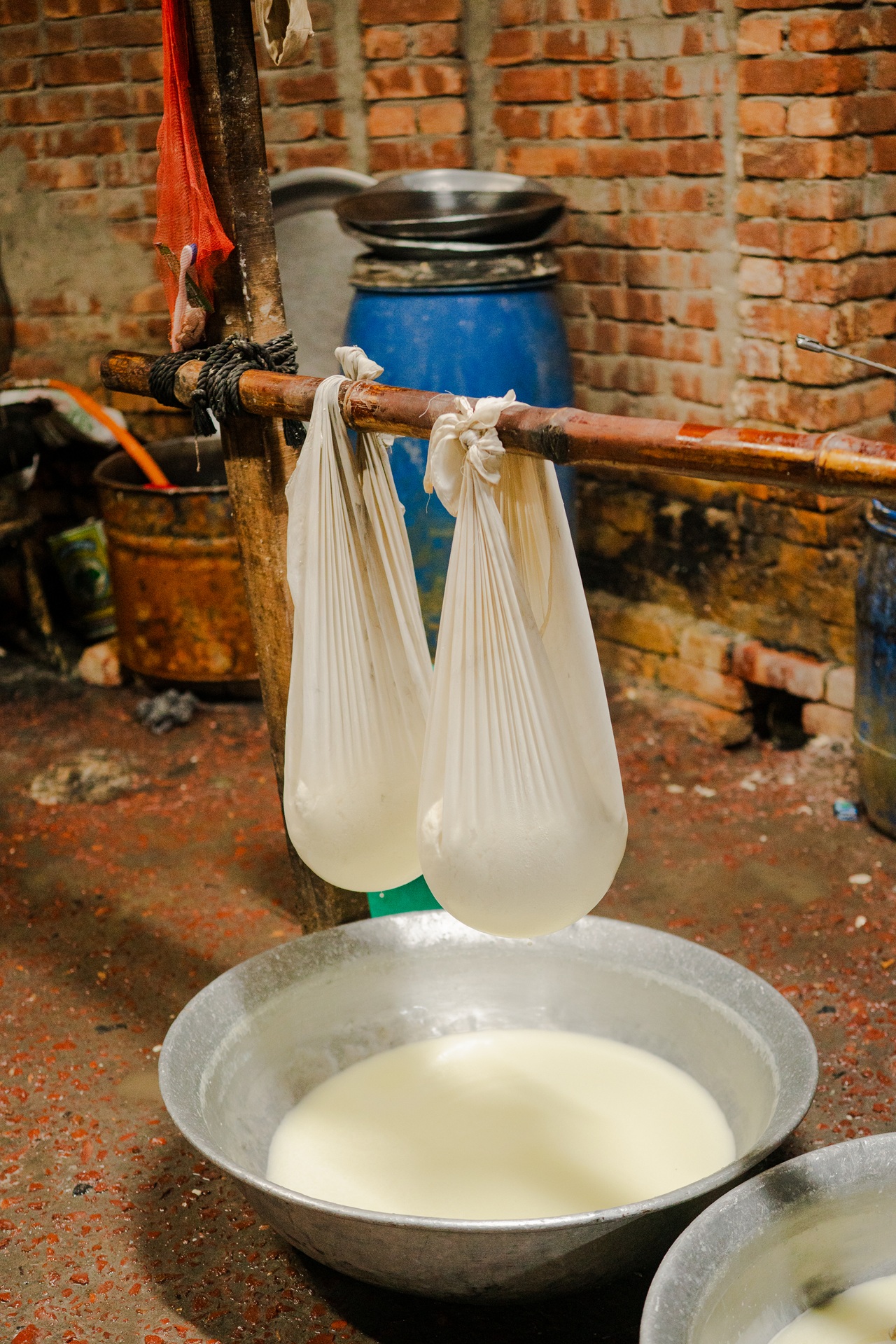
They also make a few other traditional sweets like roshogolla, curd and ghee. Most of the shops have small factories hidden at the back, where the sweets are prepared. Here hides a disturbing truth.




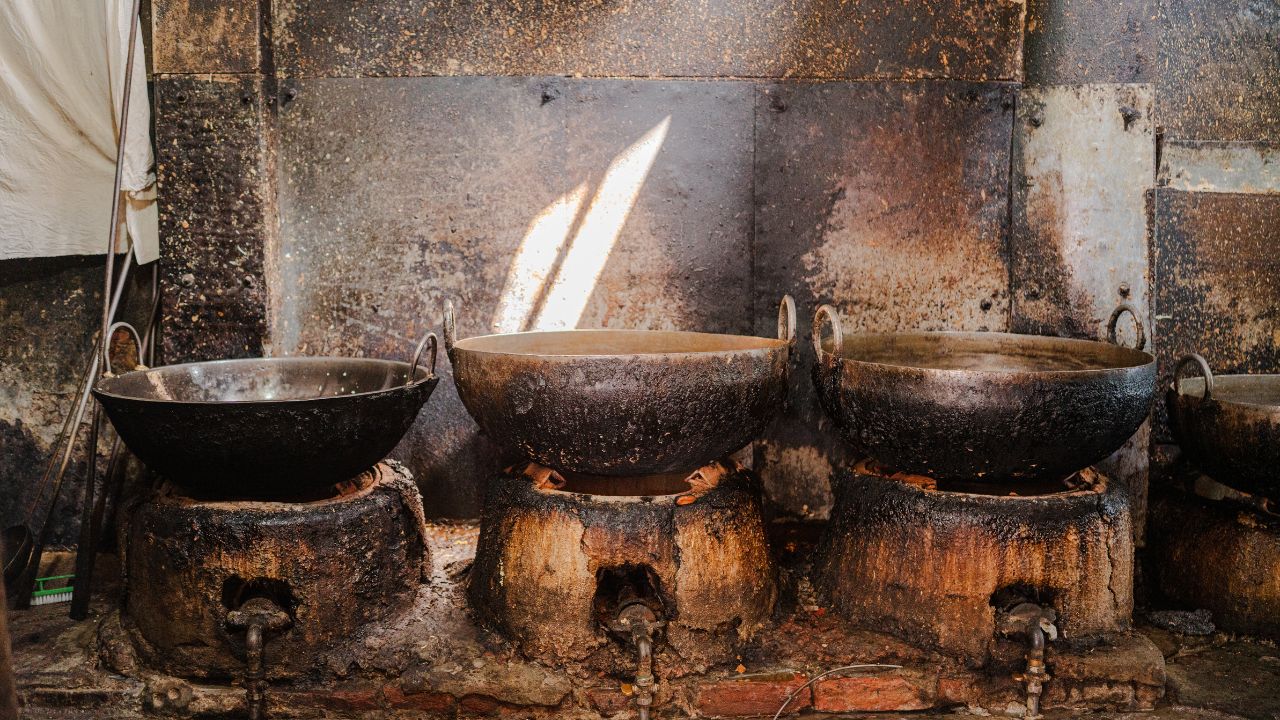
Behind the glossy counters lies a world most customers never see. Many workshops operate in cramped, dark rooms. Floors are wet, greasy and littered with scraps of spoiled milk. Pots and pans are coated in blackened residue. Flies swarm over uncovered milk and half-made sweets.
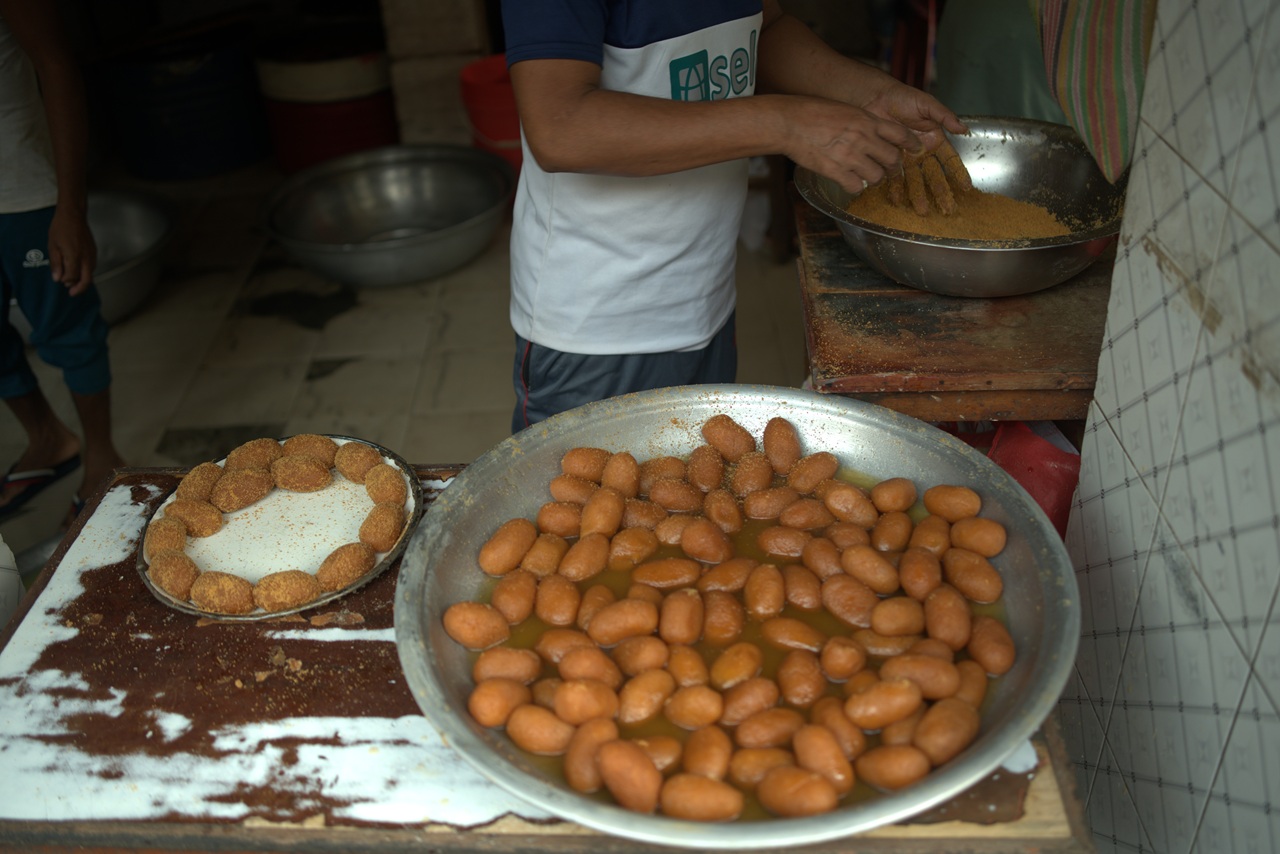
Workers stir giant pots with their bare hands. Rotten yoghurt is sometimes mixed to speed up fermentation. In some vats, insects float on the surface. These images stand in stark contrast to the sweetness sold outside. The risks are real. Contaminated milk can trigger severe stomach infections.
Unhygienic pots can spread harmful bacteria. Spoiled curd increases acidity and food poisoning risks. For children, the consequences can be even more dangerous.
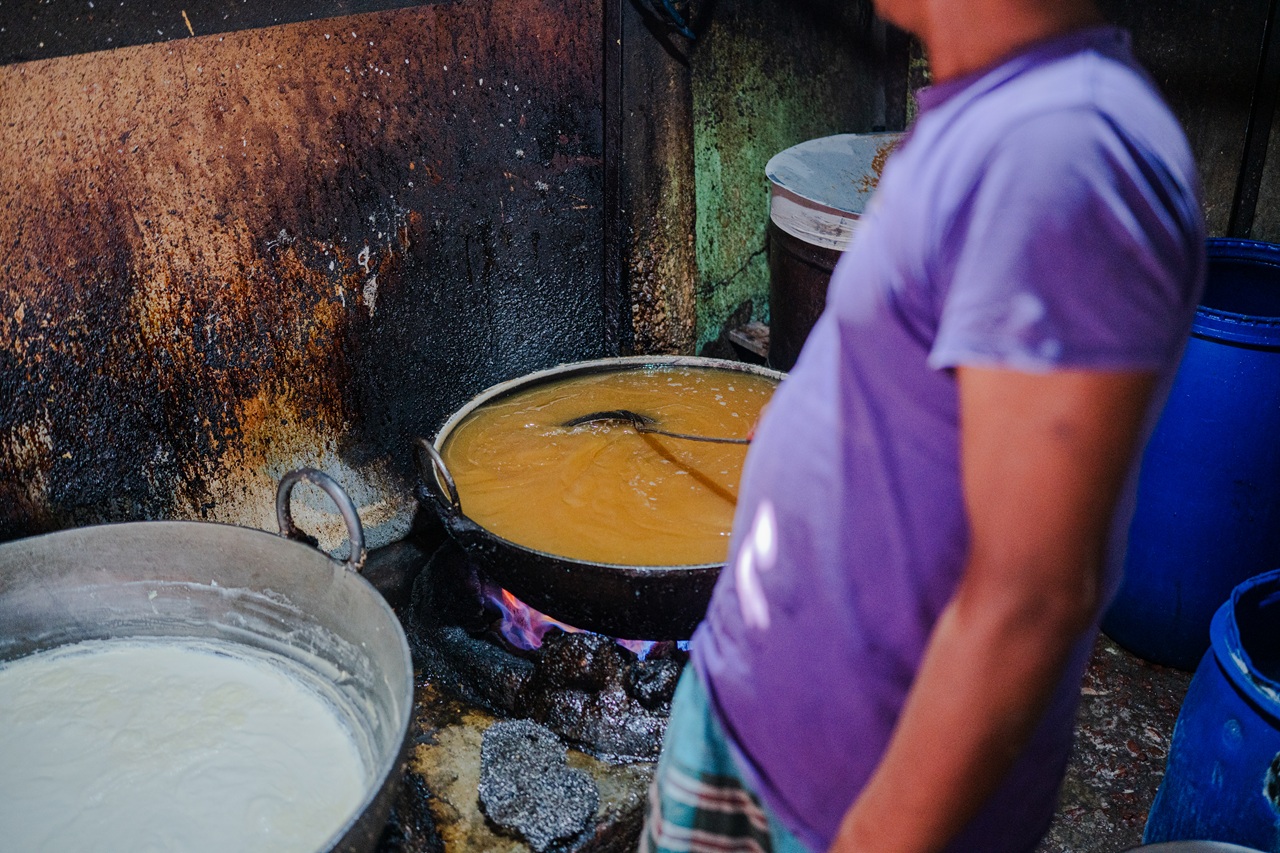
Sweet is an iconic part of Tangail’s identity. Its heritage deserves respect. But heritage cannot stand on filth. Consumers deserve better. And the famous Chamcham deserves a cleaner home.