


There comes a point in every horror fan’s life when jump scares stop working. Monsters become predictable, loud soundtracks reveal every scare, and blood replaces suspense. That is often when horror lovers discover Japan.
Japanese horror, or J-horror, is more than another branch of horror cinema. It is a distinct storytelling tradition that builds fear through silence, folklore, isolation and psychological unease, blurring the line between reality and the supernatural.
It is no surprise that Hollywood remade classics such as The Ring, The Grudge and Dark Water. Yet for many fans, the Japanese originals remain unmatched. Slower, stranger and deeply unsettling, they prove that horror doesn’t need constant shocks to leave a lasting impact. Their ghosts follow no rules, evil rarely has a clear origin, and silence can be more terrifying than any monster. That lingering uncertainty is what keeps these films haunting audiences decades later.
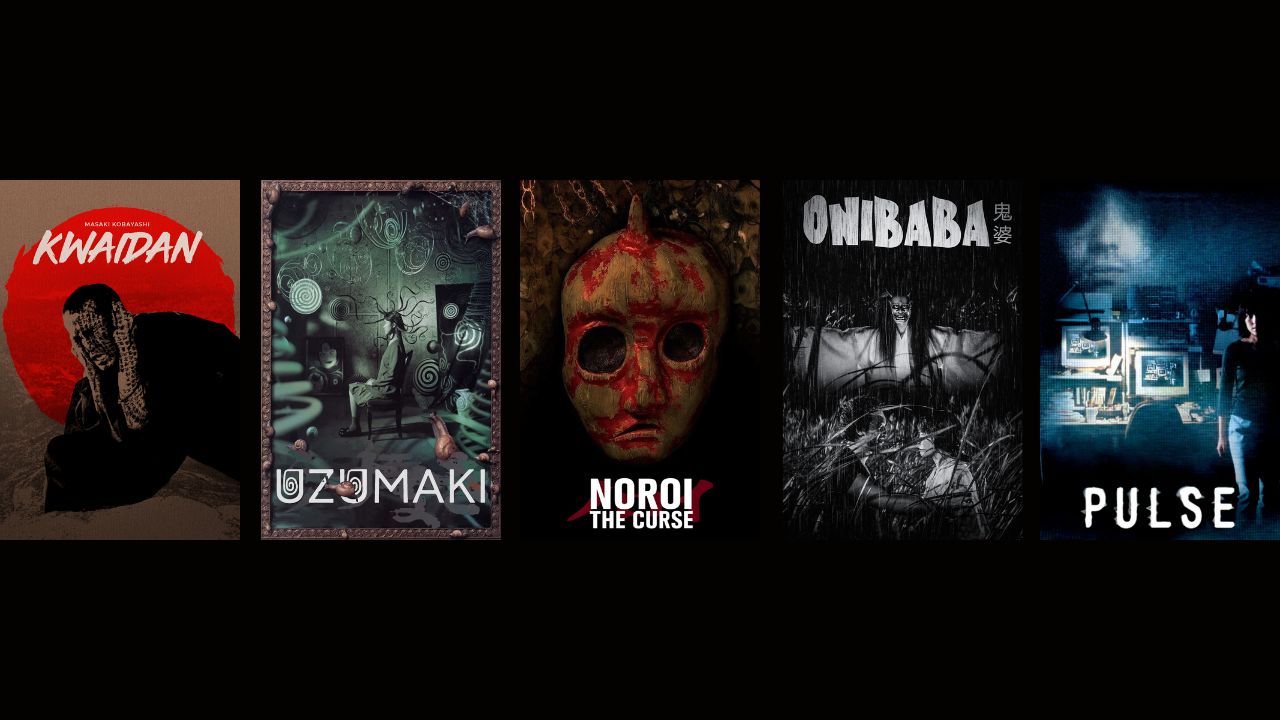
If you’ve only watched the Hollywood remakes—or have never explored J-horror at all—these five films are the perfect place to begin.
Pulse (2001)
Released years before smartphones and social media reshaped everyday life, director Kiyoshi Kurosawa imagined a terrifying world where the internet becomes a bridge between the living and the dead. Strange websites begin appearing without explanation, people mysteriously disappear and an overwhelming sense of loneliness spreads like a virus through society.
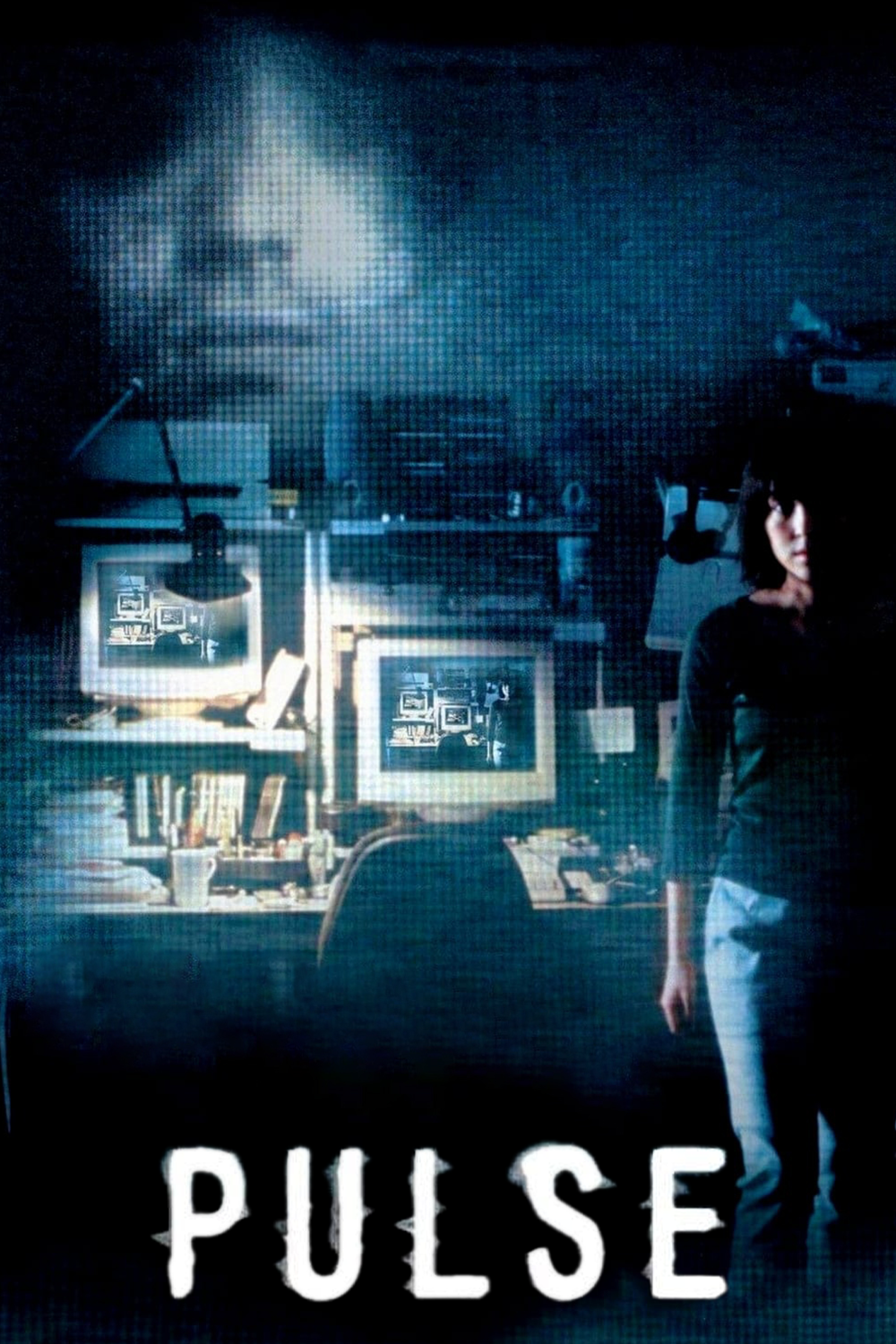

Instead of frightening audiences with monsters or gore, Pulse explores isolation, technology and human disconnection with remarkable subtlety. More than two decades later, its themes feel surprisingly modern and disturbingly relevant.
It transforms everyday technology into deeply unsettling psychological horror while asking haunting questions about loneliness in the digital age. The film is available periodically on MUBI and other legal digital rental services. Bangladeshi viewers can also check Prime Video, Apple TV and Google TV for regional availability.
Noroi: The Curse (2005)
Often described as one of the greatest found-footage horror films ever made, Noroi: The Curse presents itself as recovered documentary footage left behind by a paranormal investigator. As he pieces together a series of seemingly unrelated supernatural incidents, each interview, recording and discovery gradually reveals a much darker mystery.





The film never rushes its storytelling. Instead, it slowly builds an atmosphere of dread that becomes increasingly difficult to shake, leading to an unforgettable conclusion that continues to divide and fascinate horror fans.
If you enjoy realistic supernatural mysteries that blur the line between fiction and documentary, few films achieve it as effectively as Noroi. Bangladeshi audiences can check Prime Video, Apple TV, Google TV and other legal video-on-demand services, where availability changes by region.
Uzumaki (2000)
Based on the acclaimed manga by Junji Ito, Uzumaki turns an ordinary seaside town into the centre of an inexplicable supernatural curse. As residents become obsessively drawn to spiral shapes, the strange phenomenon gradually transforms into a horrifying nightmare, blurring the line between reality and madness. With its eerie atmosphere, grotesque imagery and deeply unsettling sense of dread, the film delivers a uniquely Japanese take on cosmic horror that continues to fascinate genre fans.

It offers one of the most original supernatural horror concepts ever brought to the screen, proving that the most terrifying monsters are sometimes impossible to explain. Bangladeshi viewers can check Prime Video, Apple TV, Google TV and other legal digital rental platforms, subject to regional availability.
Kwaidan (1964)
Long before J-horror gained worldwide recognition, director Masaki Kobayashi created one of cinema’s most visually extraordinary ghost stories. Kwaidan adapts four traditional Japanese folk tales into haunting stories of restless spirits, curses and supernatural encounters, each brought to life through breathtaking cinematography and meticulous production design.

More than 60 years after its release, the anthology continues to influence filmmakers across the world. It offers a fascinating glimpse into the folklore and mythology that shaped generations of Japanese horror storytelling.
It is both a horror classic and a remarkable work of cinematic art that showcases the cultural roots of Japanese supernatural folklore. Bangladeshi viewers can look for restored editions on MUBI, Apple TV, Google TV and other legal digital rental platforms.
Onibaba (1964)
Set during Japan’s medieval civil wars, Onibaba follows two women who survive by murdering lost samurai and stealing their belongings. Their lives take a terrifying turn when a mysterious demon mask enters the story, transforming an already tense struggle for survival into something far more sinister.

Blending historical drama, psychological horror and traditional folklore, the film explores obsession, jealousy, guilt and desire with extraordinary intensity. Its striking black-and-white cinematography and haunting atmosphere have earned it a lasting reputation as one of the greatest folk horror films ever made.
It offers a unique blend of history, mythology and psychological horror unlike almost anything produced in modern cinema. The film is available through selected legal streaming and rental services, including MUBI, Apple TV and Google TV, subject to regional availability.