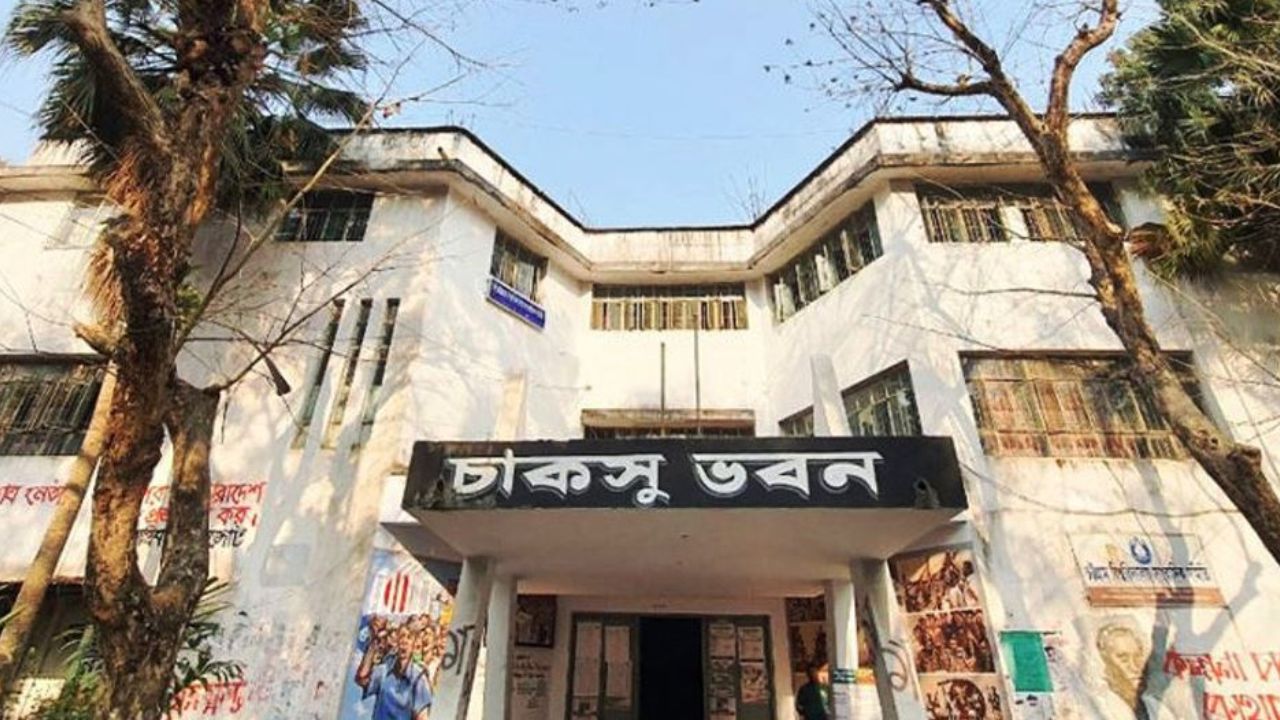

The Chittagong University Central Students’ Union (Cucsu) and hall union elections are set to take place on Wednesday.
According to the final voter list, a total of 27,516 students are eligible to vote. This year, 23 candidates are vying for the Vice President (VP) post, while 415 candidates are running in other posts.
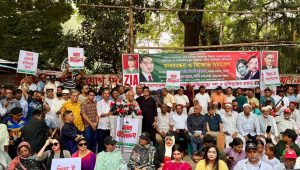
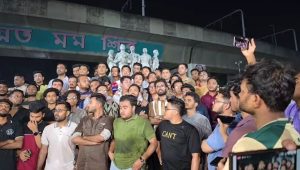
The campus atmosphere is abuzz with political fervour and a festive mood ahead of the election.
Beneath this festive surface, however, lies a complex and uncertain political equation. In the final stretch, no camp seems fully confident of securing a majority. A large section of apolitical and non-residential students remains undecided, making swing voters the primary focus for all candidates.
Especially, after a major change in the political landscape on 5 August, political parties have begun viewing the Cucsu election as a testing ground to gauge their future acceptability.
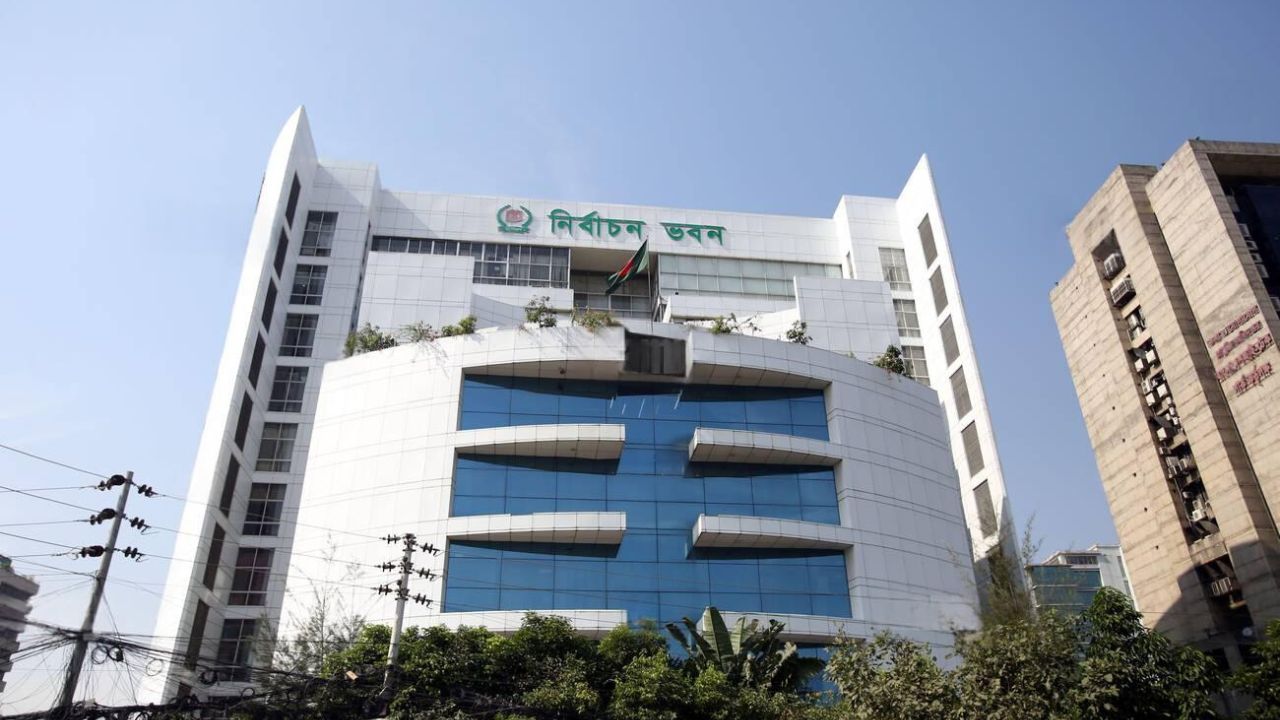
The election also poses a major test for the university administration. Observers note that, the outcome of Cucsu may offer key insights into border student sentiment and political leanings ahead of the upcoming national election.

The battle for the top positions, particularly Vice President (VP) and General Secretary (GS), has become intensely competitive ahead of the election. Among the 23 candidates vying for the VP post, a few have become the focal point of discussions across the campus.
Sazzad Hossain Hridoy, the VP candidate from the Chhatra Dal-backed panel, is well-known among students and is one of the five key organisers within the party. However, there is some doubt about his influence among non-residential students and those outside his immediate network.
Ibrahim Hossain Rony, the VP candidate from the Shampritir Shikkharthi Jote panel supported by Chhatra Shibir, is also drawing significant attention.



While many general students remain hesitant about Shibir, Rony is seen as personally credible by a number of peers. Students believe he has the potential to work beyond his party lines for the welfare of the broader student body, something already reflected in some of his past initiatives. As coordinator of the July Movement, he has also gained notable popularity among female students.
On the other hand, Muhammad Farhadul Islam, the candidate from a panel representing Sunni ideology, is believed to have an edge among apolitical voters.
However, a significant challenge for all candidates remains, as many candidates are still not familiar to the voters. As a result, there is uncertainty about how effectively candidates can reach them or whether these voters will turn out at all.
Independent VP candidate Habibur Rahman Habib has also emerged as a notable contender. In the final days of campaigning, he has generated significant buzz, gaining popularity among apolitical students on campus. Some speculate he could be a dark horse in the final hour.
Campaigns conclude, all eyes on the ballot
The race for the General Secretary (GS) post is equally competitive. Chhatra Dal-backed Shafayat Hossain, Shampritir Shikkharthi Jote-backed Saeed Bin Habib, and Abdur Rahman, representing the Islami Andolon-backed panel, are among the prominent contenders. Each candidate comes with a clear political affiliation and strong panel support.
This year’s election campaign has showcased a unique blend of creativity and strategy. Candidates distributed leaflets, handbills, and posters styled like currency notes, ATM cards, cigarette packs, and even maps.
Nearly 1,000 candidates took part in the campaigning. The student dormitories and shuttle trains were the most active campaign zones.
Door-to-door campaigning in halls, shuttle-based outreach, use of folk culture, musical promotions, and creatively designed banners and festoons all added vibrant energy to the election atmosphere.
All candidates have pledged to ensure safe student housing, improved healthcare services, affordable food options, effective waste management, cleanliness, and better transportation facilities.
They have also committed to taking action against cyberbullying and misinformation, while promoting transparency in academics and advancing research initiatives.
Despite some concerns about the election environment, the campaign ultimately concluded on a relatively peaceful note.
Allegations have been made against all panels. All parties have raised questions about the level playing field, with groups including Chhatra Dal and Shibir accusing the Election Commission of favoring a particular faction.
There are also allegations that the code of conduct is being changed unilaterally.