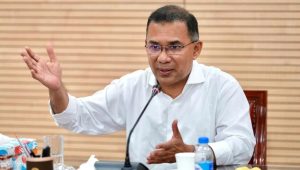
Health and Family Welfare Minister Sardar Md Sakhawat Husain has said Bangladesh is still behind developed countries in accurate disease diagnosis, stressing the need to strengthen technology-driven healthcare systems to bridge the gap.
The minister made these remarks while addressing the inaugural ceremony of a two-day international conference titled “Appropriate Technology for Healthcare in Low and Middle-Income Countries” as the chief guest.
The event was held at the Dhaka University Senate Bhaban on Sunday.
“Many marginalised people in the country are still deprived of necessary medical services. Although the government has increased investment in the health sector, diagnosis can be made faster, easier, and more accurate only if the effective use of modern technology is ensured,” the minister said.

Highlighting diagnostic accuracy as one of the primary challenges for the country’s healthcare system, he said that expanding technology-dependent services is the key to overcoming these limitations.
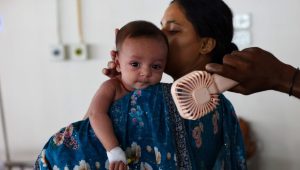
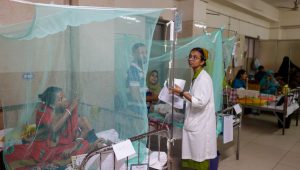
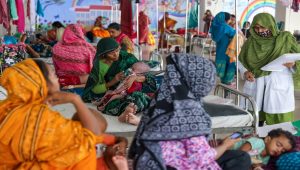
Referring to the ongoing dengue situation, the minister pointed out that some hospitals are forced to treat 30 to 40 dengue patients in a single room.

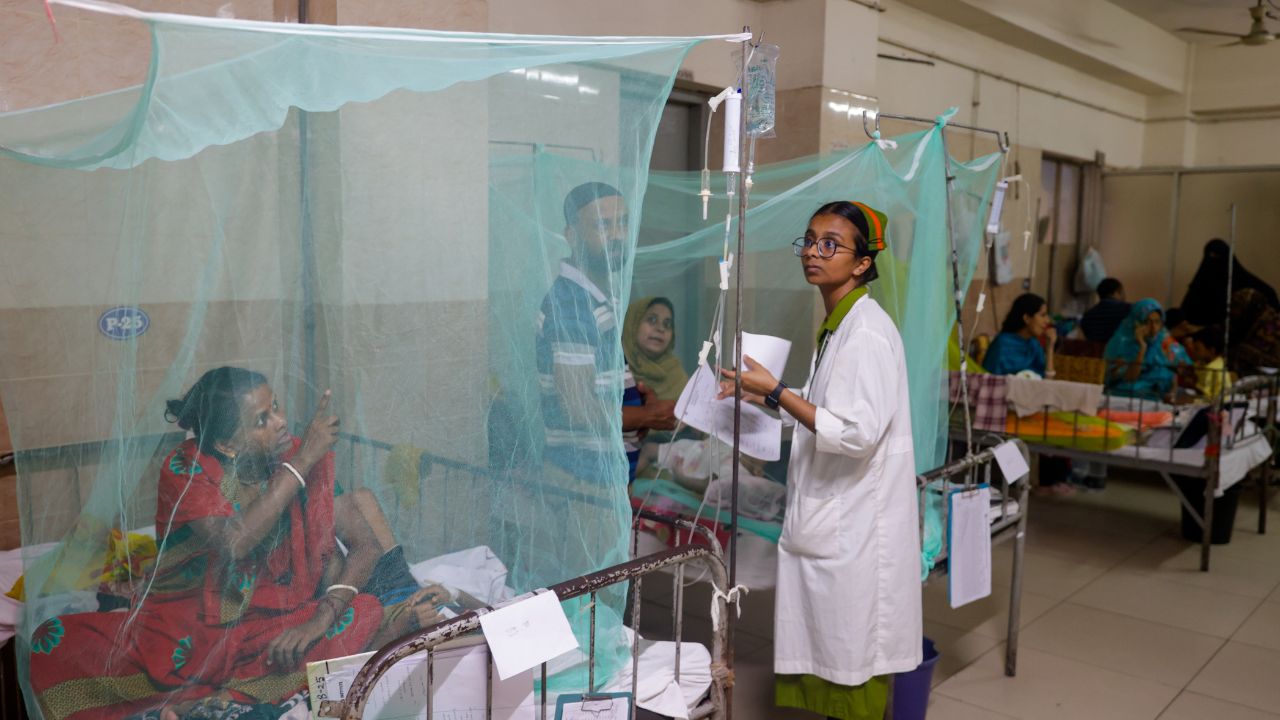
He urged doctors, nurses, and health workers to handle infectious diseases like dengue and measles with patience, dedication, and professionalism, while directing field-level health workers to be more sincere toward patients.
Sakhawat Husain also highlighted government support for local health technology innovation and praised the telemedicine programme of the Dhaka University.
He said that the platform has integrated technologies such as online 12-lead ECG and electronic stethoscopes. He suggested that integrating these tools with the government’s new rural healthcare programmes would significantly improve the quality of service in rural areas.
The conference was jointly organised by the Department of Biomedical Physics and Technology of Dhaka University, the Department of Biomedical Engineering of BUET, the Department of Clinical Oncology of Bangladesh Medical University, BiBEAT Limited, and the Relevant Science and Technology Society.
During the opening session, Conference President Prof Khondkar Siddique-e Rabbani highlighted the progress of healthcare technology innovation in the country.
Vice President Prof Taufiq Hasan discussed various biomedical technologies developed at BUET and initiatives to foster entrepreneurship in this sector.
Technical sessions at the conference covered a wide range of topics, including the prevention of postpartum hemorrhage, oral rehydration, children’s neurodevelopment, dry eye treatment, prevention of diabetic foot ulcers, artificial intelligence (AI), electrical bio-impedance, and low-cost medical technologies.
Furthermore, a proposal was raised to form two international initiatives aimed at reducing inequality in health technology across developing nations