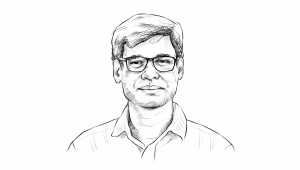
Mohammad Shaikh Salim Reza
The Multiple Indicator Cluster Survey 2019 shows a shocking reality: 89% of children aged 1–14 in Bangladesh were physically punished in the past month. Even worse, 35% of parents believe this is necessary for discipline. A June 2024 UNICEF report says that 9 out of 10 children still face violent discipline monthly. This is a serious violation of children’s rights that harms their mental health, learning, and confidence. Although corporal punishment was banned in schools in 2011, the rule is mostly ignored. Violence against children continues at home, in classrooms, and even in workplaces. This shows a painful truth: Bangladesh wants to move forward but still allows outdated violence against its children.
Around the world, research is clear; corporal punishment never helps. More than 300 studies prove it causes anger, fear, and poor learning. Seventy countries have already banned it completely, but Bangladesh has not, despite its promises under international child rights and the UN’s Sustainable Development Goal 16.2.

If Bangladesh truly wants to build a smart and modern generation, it must protect children’s safety, dignity, and respect. Now is the time for strong laws and a change in social attitudes, the only real way to move forward.
One serious effect of corporal punishment is the loss of trust between teachers and students. Teachers are often seen as threats and classrooms have become places of fear instead of growth. Respect is disappearing, and both sides now feel afraid and defensive instead of working together. As a result, education and learning are suffering badly.




The current rules against corporal punishment in Bangladesh are weak and poorly enforced. The 2011 ban has little power and has not truly protected children. Bangladesh urgently needs a clear and strong law that bans corporal punishment everywhere.
But a law alone is not enough. It must come with real action and cultural change.
The new law should be part of national child protection policies. The government must run public awareness campaigns to teach parents, teachers, and communities that children can learn through love and guidance, not fear. The ban in schools must be strictly enforced. There should be clear ways to report abuse and real punishment for those who break the law. School management committees and NGOs can help with digital reporting and local child-protection groups to make sure complaints are handled quickly.
Many people still believe punishment is necessary for discipline. This belief must change through education and positive training. The government, NGOs, and international partners should run training programs for parents and caregivers on how to guide children with respect, communication, and empathy instead of fear. Parenting lessons can be part of health and community programs. Teachers, doctors, and social workers should be trained in non-violent discipline and children’s rights. This will help end the cycle of violence passed from one generation to the next.
The student protests of 2024 reminded the nation of the power and promise of its young people. Most of those on the streets were under 18, the group that too often faces violence at home and in school. Their courage reflected a deep desire for justice, respect, and meaningful reform. Yet, if they grow up in fear, their curiousity and independence will be stifled.
Legal change and social change are not opposite goals, they support each other. The 70 countries that have ended corporal punishment show that real progress happens when the government and the people work together. Bangladesh has the strength, courage, and values to join the countries that have already banned violence against children. The road to becoming a fair, modern, and successful nation starts with one clear and powerful choice- to stop accepting violence against children and end it for good. As Bangladesh works to rebuild its politics and economy, it also needs to rebuild its moral values. Keeping children safe is not only a kind thing to do, it is an investment in the country’s future.
The writer is a protection specialist and CEO of Favor Consultancy