



Every year, millions of school students in Bangladesh prepare for high-stakes examinations such as SSC, HSC, university admissions, and highly competitive recruitment exams. For many families, these results are seen as gateways to social mobility, economic security, and prestige. Yet behind the celebrated success stories lies a growing crisis that rarely receives the attention it deserves: the impact of exam pressure on student mental health. For many of us, striving for excellence in education is rapidly taking over our mental health and life. We all face a critical question: Are we preparing students for life, or merely preparing them for examinations?
For several decades, we have neglected the psychological health of children and focused only on measuring academic performance. Millions of schoolchildren in Bangladesh enter class every day with textbooks and families’ expectations. What is invisible to the teachers and parents is the burden of anxiety and fear of failure for children. Also, loneliness, emotional insecurity, psychological distress and bullying they face affect their learning, self-confidence, and development of social skills needed to reach their full potential. An important question remains unanswered: do our schools foster emotionally healthy children, or do they put children against one another in competition? A school that celebrates academic excellence while fostering a culture of bullying and emotional distress is doing a grave disservice to children and society too. It is high time mental health and students’ well-being are considered core elements of quality education and real learning.
Bangladesh National Mental Health Survey 2018–19, conducted by the National Institute of Mental Health with technical support from the World Health Organization, reported that approximately 12.6 percent of surveyed children aged 7- 17 experienced mental disorders. Recent evidence gives strong reasons for Bangladesh to focus on the mental health of children when considering its education reforms. The Multiple Indicator Cluster Survey (MICS) 2025, conducted by the Bangladesh Bureau of Statistics (BBS) in partnership with UNICEF, highlights that 5% of children aged 2-17 had functional difficulties in at least one assessed area. Depression and anxiety-related difficulties were the most prevalent. Additionally, 83% of children aged 1-14 years had experienced psychological aggression and 86% reported experiencing any form of violent discipline.
The report raises serious questions about the emotional and psychological environment in which children learn and grow. According to the World Health Organization (WHO), nearly one in five adults and more than one in 10 children live with a mental disorder. More than 90% of those who need care do not receive treatment.

Bangladesh is known for its intensely competitive educational environment, where academic achievement often comes at the cost of considerable psychological pressure on students. From a very young age, children are pushed to score the highest, outperform their peers, gain admission to the most prestigious academic institutions, and fulfil their parents’ academic dreams. Children begin to perceive their personal self-worth through the lens of their academic accomplishments. Excessive academic competition risks turning schools from places of learning into environments of fear and anxiety. The unhealthy nature of competition is evident in constant peer comparison within the same family.
People may think that being compared to a better-performing peer motivates a student to do better, but that is not always the case. Ultimately, students who are not constantly at the top of the class may feel inadequate and insecure, while the best-performing students may feel anxious. The pressure of academic competition is such that many students become emotionally unstable and unwell. Often, school becomes a place of humiliation for children.
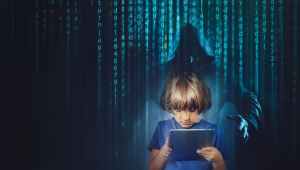
Digital and online bullying brings school-related humiliation into children’s homes. UNICEF’s U-Report (2025) found that 63% of respondents identified misinformation as their biggest source of social media stress. The pressure does not stop at the exam hall. It often follows children home through private tuition, coaching classes, and constant expectations of academic success. For some students, little time remains for rest, recreation, or friendships. When learning becomes a continuous race for higher grades, curiosity and creativity may gradually disappear. Education then risks becoming a source of exhaustion rather than personal growth.




Natural disasters in Bangladesh create additional challenges for children’s mental health. Addressing children’s psychological well-being therefore requires an integrated approach that considers their living conditions. Rural-urban inequalities create further challenges, as mental health services are more accessible in urban areas, leaving many rural children without adequate support. Bangladesh has taken important steps through the Mental Health Act 2018 and the National Mental Health Policy 2022. The challenge now is to translate these commitments into accessible services, particularly in underserved rural areas.
Parents also play a major role in changing cultural norms. They make huge sacrifices to provide their children with better educational opportunities. Children face immense pressure to excel academically. The emotional and mental stress often leads children to take their own lives. Parenting programmes should help parents understand the harm caused by pressure and emotional control, while promoting open communication, emotional well-being, stress management and digital safety. Listening to children without making quick judgments is a good starting point. Educational institutions should focus on a child’s overall development and well-being. Children should learn to manage stress and negative behaviour through music, reading and sports. These activities should be as important as academic learning. Although the Ministry of Education has taken a proactive approach to creating a learning environment that promotes positive mental health and well-being, it introduced the National Curriculum Framework, which includes mental health literacy as one of the mandatory learning areas.
Since January 2023, according to the 2024 UNICEF report, over 30,000 secondary institutes have implemented the new curriculum. This curriculum includes various learning experiences, including assessing the school and home environment. Students develop contextual solutions and a plan to create a nurturing school environment. Furthermore, over 30,000 teachers have gained knowledge and skills to integrate mental health and well-being into their classrooms.
Recognition of the importance of mental health and well-being in education is growing. Three priorities deserve attention: integrating mental health education into school curricula, training teachers to recognise and respond to students’ emotional distress and providing accessible counselling and referral services. Schools should also encourage music, reading and sports to help children manage stress and develop emotional resilience. Neglecting student mental health carries considerable economic costs, affecting learning and future productivity. School mental health programmes should therefore be seen as long-term investments in human development, rather than merely welfare expenditure.
However, institutional reforms alone will not be enough unless Bangladesh changes how it defines educational achievement. Policymakers must create an education system that responds to children’s emotional and developmental needs. As Bangladesh strives to expand educational opportunities and achieve the Sustainable Development Goals (SDGs), it must place children’s lived experiences at the heart of schooling.
Examination results matter, but they cannot be the sole measure of a child’s potential. Schools must become places where children feel safe, valued, and supported, rather than judged solely on their academic performance. The true success of an education system lies not merely in the grades children achieve, but in the human beings they become.
The views expressed in this article are solely those of the author
The writer is a UK-based educator, author, and researcher