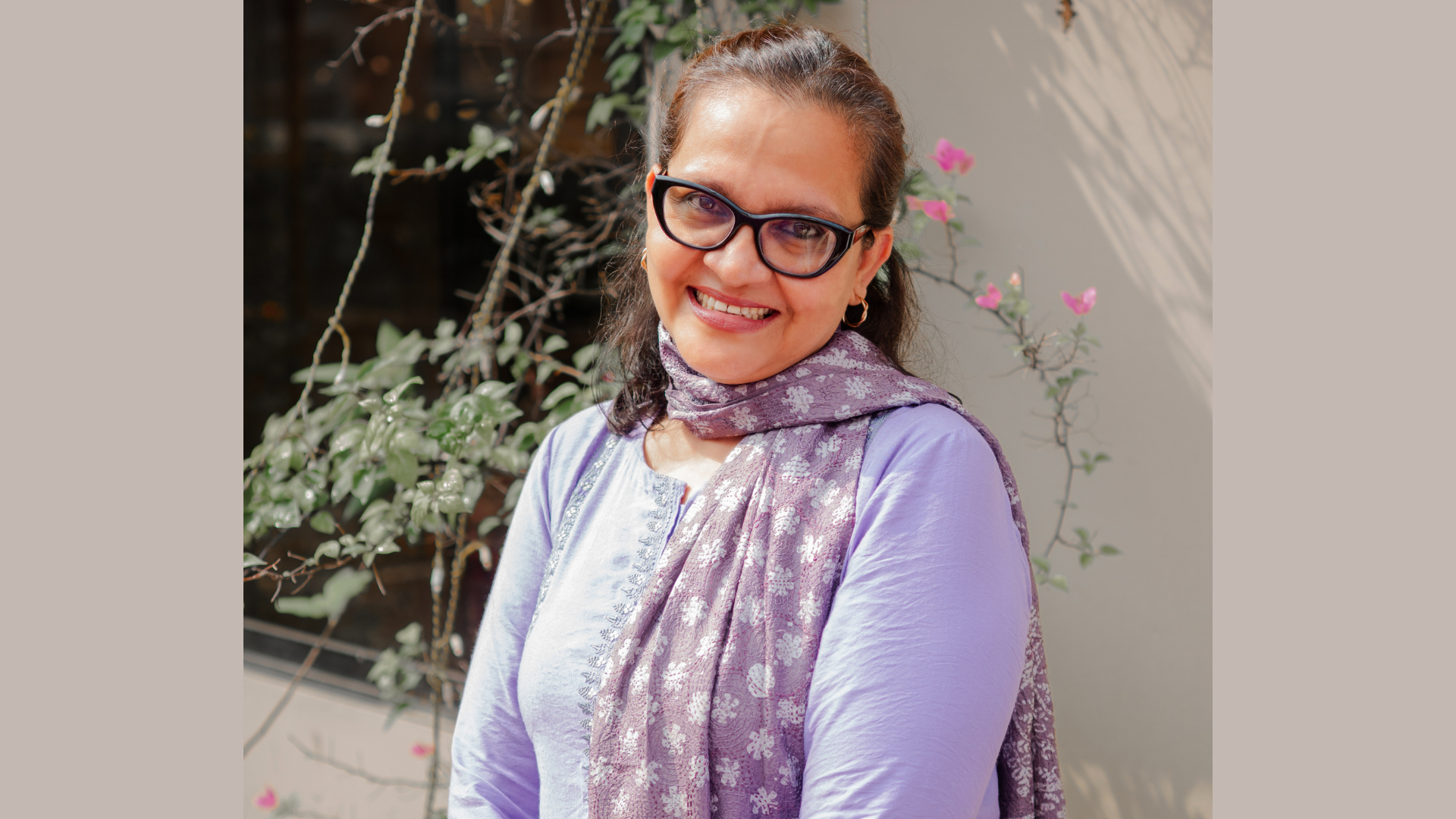

The founder and creator of the leather brand Gootipa, Taslima Miji, is one of Bangladesh’s most inspiring women entrepreneurs. She started her career as a journalist and later transitioned into business. She built Gootipa from scratch with a focus on craftsmanship, sustainability and social impact. Today, her brand exports handmade leather goods to customers across Europe and North America.
Miji’s journey from the newsroom to the workshop is a story that is more about just building a brand; it’s about resilience, determination and a strong sense of purpose in an industry that is traditionally led by men. She spoke with Times of Bangladesh about the challenges and the role of ethics and empathy in business. Shamim Shopno conducted the interview.
The full interview follows…
TIMES: You started your career as a journalist before becoming an entrepreneur. What inspired you to take this big step and how did your earlier experiences shape your mindset as a business founder?
Miji: I began my career in journalism, and though it might seem unrelated, that experience has had a profound influence on who I am today. Journalism isn’t a money-oriented profession; it’s a responsibility-driven one. It teaches you ethics, neutrality and integrity to stand up for what’s right and to give voice to people’s stories.
That mindset stayed with me. As a journalist, I learned the importance of accountability, transparency and ethics, values that are equally essential in business. Whether it’s maintaining sustainable practices, ensuring responsible production or being transparent with customers and workers, these principles continue to guide my work as an entrepreneur.
Journalism also made me a keen observer. A journalist must always be curious, alert, and persistent. That instinct to look for what’s new, what’s changing, helps me even in the fashion and manufacturing world.
TIMES: When did the idea of Gootipa first come to you and what was your main goal in starting it?

Miji: I’ve always been fascinated by the journey from raw material to finished product. Watching something take shape, from an idea to a tangible creation, gives me immense satisfaction.
When I started Gootipa, my goal was simple: to create genuinely good products that make people happy. I love seeing a customer hold one of our bags and smile. That moment makes all the hard work worth it.
I also wanted to establish a strong Bangladeshi brand in the leather goods sector. Bangladesh has tremendous potential in leather, but we’ve mostly focused on exporting raw hides or semi-finished leather, not finished goods. In the garment industry, we produce millions of pieces but add limited value because we import most raw materials. I wanted to change that narrative in leather to design and manufacture locally, to add real value, to create jobs and to build a brand that inspires others.
TIMES: The leather industry remains largely male-dominated. What kind of challenges have you faced as a woman entrepreneur and how have you navigated them?
Miji: Of course, the challenges are many in supply chains, procurement, finance, marketing and market access. Everything takes longer for women. Resources are less accessible and often we’re filtered out or overlooked. In many professional spaces, women are the last to be considered and rarely invited to lead. So yes, it’s harder.
How do I handle it? By staying resilient. I ignore the noise and focus on my work. I’ve learned to be vocal, to speak up for what’s rightfully mine and to demand what I deserve.




That said, it’s exhausting. Women often manage both professional and family responsibilities, creating an uneven playing field. We’re running the same race but with extra weight on our shoulders.
TIMES: There’s a perception that leather production is environmentally harmful. How does Gootipa ensure sustainability in its operations?
Miji: That’s a valid concern. The environmental challenges of the leather industry, especially in tanning and finishing, are real. But those are largely infrastructural issues that require government-level policy and intervention.
At our level, we focus on what we can control. We don’t discharge waste irresponsibly. We use recycled materials wherever possible and maintain a clean, safe production environment. When sourcing leather for export-quality products, we partner only with compliant tanneries that have functional effluent treatment plants (ETP). Not every tannery in Bangladesh does, but we consciously choose those that do.
For us, sustainability isn’t a one-time decision; it’s a continuous practice embedded in every stage of design, production and sourcing.
TIMES: Your products are now recognised internationally. Looking back, is there anything you would have done differently if you could start again?
Miji: Not really. I don’t dwell on regrets. Every step, even the difficult ones, taught me something. I believe I made the best possible decisions with the knowledge I had at the time.
Entrepreneurship is a long, complex journey. There are no shortcuts. Even if I could go back, I’d probably do things the same way, maybe just with a little more confidence.
TIMES: Before starting Gootipa, what assumptions did you have about entrepreneurship that changed after you entered the field?
Miji: I always knew entrepreneurship was tough, and it still is. The challenges never end. Market volatility, access to finance, policy gaps. They’re constant companions.
But I’ve learned that “tough” doesn’t mean “impossible.” Passion makes it bearable. I work from a place of purpose, not just profit and that’s what keeps me going. I no longer expect an easy path; I simply stay committed to walking it.
TIMES: Many women work in your company. How do you motivate and guide your team?
Miji: We try to foster a supportive and joyful environment. We organise fun activities, music breaks, shared meals and celebration days. We also hold counselling sessions to help workers manage personal or professional stress.
We have a clear gender policy that ensures women feel safe, respected and aware of their rights. We openly discuss issues of equality and workplace dignity.
For me, leadership isn’t just about achieving targets; it’s about creating a culture where people feel valued and where work brings both dignity and joy.
TIMES: Where do you see Gootipa in the next ten years?
Miji: In ten years, I want Gootipa to stand as a role model- a sustainable, ethical and proudly Bangladeshi fashion brand. Not just a brand with strong revenue but one that’s socially impactful and environmentally responsible.
I want people to see Gootipa as proof that ethical fashion is possible here, that a Bangladeshi brand can earn global respect while staying true to its values.
TIMES: Finally, what advice would you give to young women who want to enter manufacturing or other challenging industries?
Miji: My advice is simple: focus. Don’t try to do a hundred things at once. Find your niche, your passion and master it.
Women often spread themselves too thin, trying to do everything at once. But real growth comes from specialisation. Learn deeply, build expertise and stay consistent. That’s how you grow step by step, with focus and conviction.