




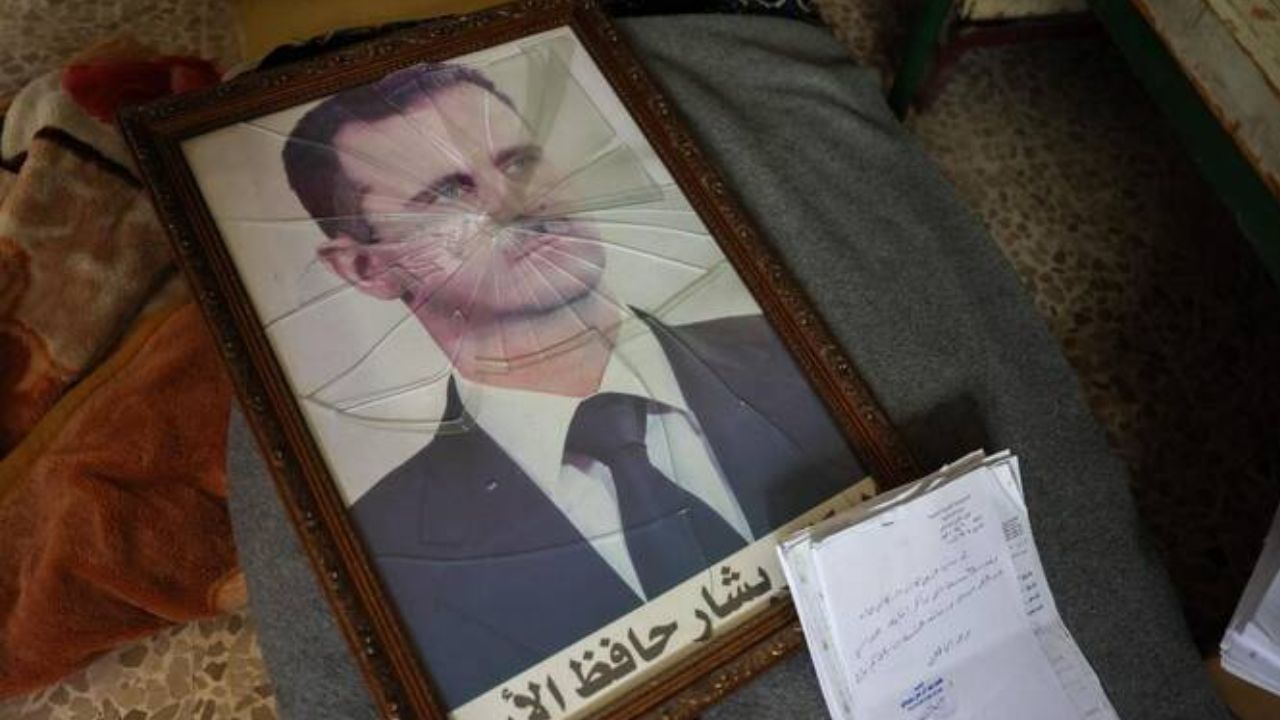
A Syrian court on Tuesday sentenced the ousted president, Bashar al-Assad, and his younger brother to death in absentia for crimes against humanity and war crimes committed during the nation’s 14-year conflict.
The verdict, delivered by the Fourth Criminal Court in Damascus, marks the first conviction against Assad or his inner circle since the family’s 50-year rule ended 20 months ago in December 2024. The conflict is estimated to have claimed the lives of approximately 500,000 people.
In a session broadcast live on state television, Judge Fakhareddine al-Aryan stated that Assad “used state agencies to commit war crimes and crimes against humanity.”
The specific charges included the premeditated and intentional murder of more than one person and of children, as well as torture and arbitrary arrest.
Assad’s younger brother, Maher al-Assad, was also sentenced to death. He was the former commander of the Syrian military’s 4th Armoured Division, a unit accused by opposition activists of killings, torture, extortion, and drug trafficking, alongside the operation of private detention centres.
Also sentenced to death in the same case was Assad’s maternal cousin, Atef Najib. A former brigadier general and head of the Political Security Branch in the southern province of Daraa, Najib appeared in court on Tuesday.
Amid tight security, he stood inside a cage wearing a prisoner’s uniform as the sentence was read. Najib was convicted of overseeing the 2011 crackdown in Daraa that acted as the catalyst for the Syrian uprising.
During his tenure, the arrest and torture of more than a dozen teenagers for scrawling anti-government graffiti on a school wall sparked mass protests, which were met with a brutal government response and subsequently spiralled into civil war.
Born in 1965, Bashar al-Assad assumed the presidency in 2000 following the death of his father, Hafez al-Assad. His rule was defined by the dominance of the Alawite sect and Syria’s position as an Iranian ally.
The Assad brothers fled to Russia in December 2024 following a lightning rebel offensive and were granted political asylum. While they currently remain in Moscow, Syria’s new rulers have requested that Russian authorities hand them over.


