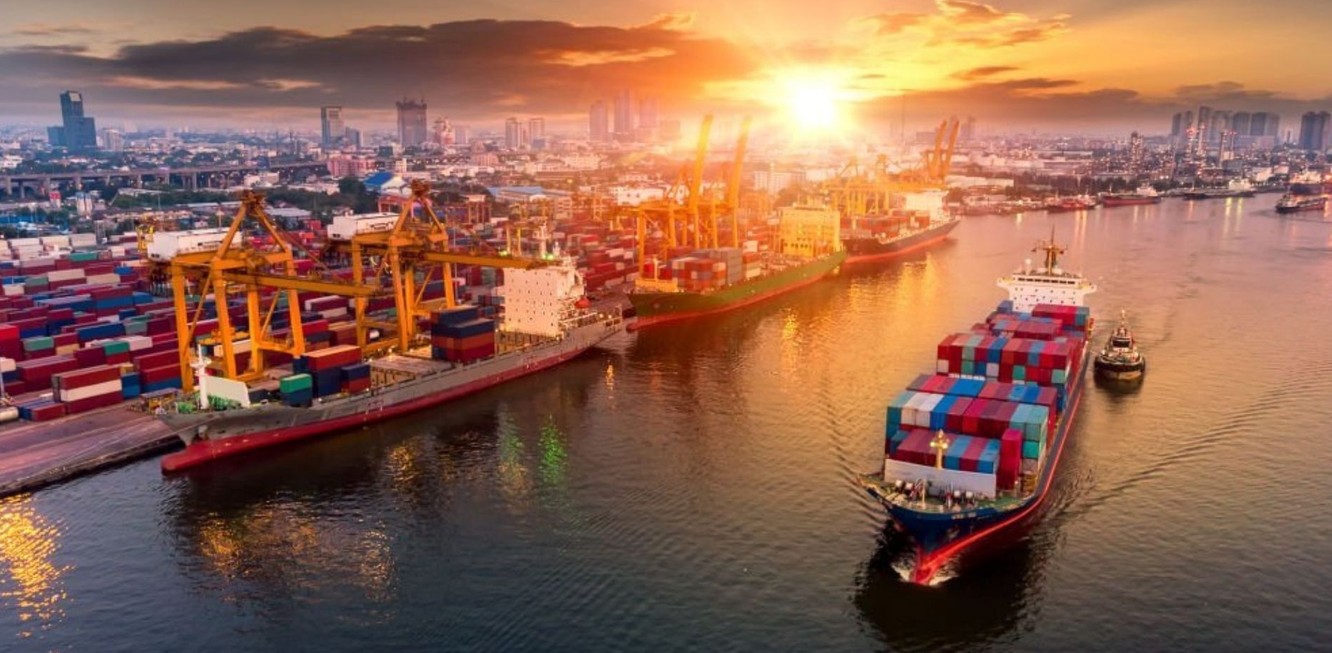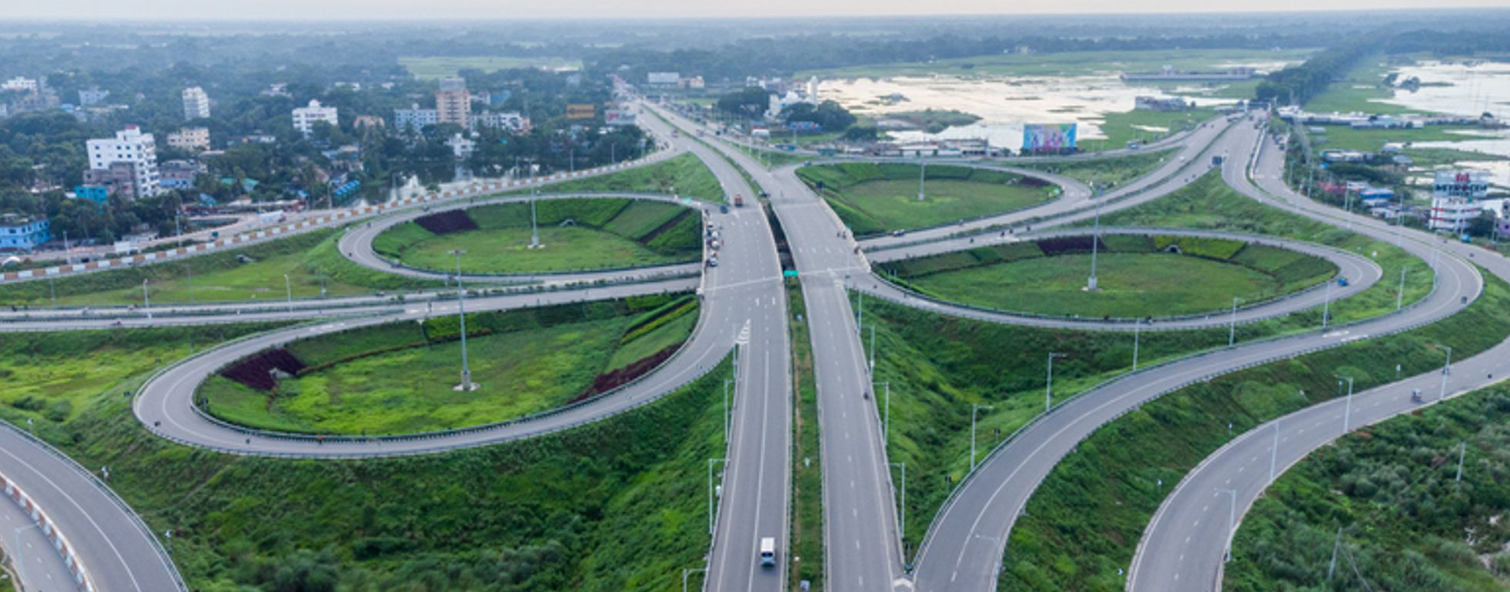

Whilst economic development, increasing incomes, physical development, and export revenues are key elements of a developing economy, there may be issues of social inequality, poor governance, and inefficient political and administrative systems. To enable truly effective and enduring development, Bangladesh must seek positive change within these different spheres. Meaningful development will result from enhanced employment, increased buying power, and lowered social inequality. Furthermore, it can stimulate enterprise and improve people’s lives. If, however, the benefits of development do not permeate fully across society and sectors, then it will be both unequal and socially fragile.
Bangladesh still experiences high unemployment, inflation and social inequality and also suffers from investment and financial sector problems. Therefore, it is the general enhancement of economic wellbeing, life chances and quality of life that should be analysed to determine levels of development. Economic development will not be inclusive or enduring if it does not result in tangible benefits for society as a whole. Social development is integral to, and not an extra element of, economic development. Although availability of education has been broadened, this does not automatically guarantee high-quality provision. Education must adapt to, for example, new technologies, industry needs, and current and global economic trends. Bangladesh must seek to shift from a system emphasising qualification acquisition to one that values people’s problem-solving, technical and innovative skills together with their employability.
Particular emphasis should be placed on technical and vocational education. People with irrelevant qualifications are of little use to industry, and so Bangladesh must seek to develop a workforce with appropriate skills. Likewise, healthcare is a crucial area of public importance and should not be viewed as solely the privilege of those who can pay for it. Social security provisions must also ensure that people are not continually economically disadvantaged due to factors such as poverty, unemployment, disability and age.
Bangladesh’s economy must also undergo significant change. Currently, it is heavily reliant on a limited range of export goods, notably ready-made clothing. As global competition intensifies, this exposes Bangladesh to risk. Diversification into other industries such as pharmaceuticals, food processing, light manufacturing, information technology, shipbuilding and logistics, amongst others, offers substantial potential. To enhance competitiveness, Bangladesh should endeavour to boost productivity, innovate and increase product quality. Rather than simply seeking to compete on the basis of low labour costs, attention must also be given to the calibre of the workforce.

Banking and finance also require substantial reform. Efficient financial systems allow money to be channelled effectively, supporting both investment in and enterprise. However, high levels of bad debt, political influence in relation to lending, poor governance and insufficient regulation all negatively affect economic wellbeing and reduce willingness to invest appropriately. In addition, without an efficient taxation system, the government is unable to sufficiently fund areas of societal importance including education, healthcare, infrastructure, research and social security. Consequently, national priorities should include broadening the tax base, minimising tax avoidance and making taxation easier and fairer to comply with. Economic development cannot be enduringly effective if public spending is not supported by a robust taxation system.
Most crucially, a country’s political system is central to facilitating sustainable development. Although healthy political systems do not equate to the absence of differing views, debate and even dissent. They should exhibit stability, be underpinned by a constitution and demonstrate democracy, peaceful contestation and adherence to the rule of law. Crucially, democratic systems should surpass both individual politicians and political parties in robustness. Ideally, bodies such as parliament, the Election Commission and the judiciary will also operate free from political manipulation.




Bangladesh has learnt that when power is unduly centralised, when political manipulation of institutions occurs, when diversity of views is suppressed and where there is a lack of accountability, then national stability is compromised. Ideally, Bangladesh should seek to develop a political system in which democratic methods allow for governmental change and within which state institutions are both professional and independent. Ultimately, political reform must enable the establishment of systems that can benefit the nation, irrespective of which government is in power. No matter how enlightened a country’s development strategy, it will not be successfully implemented without effective, accountable and professional administration.
Assessment of public administration should centre on the standard, availability, openness and promptness of services provided. Bulky, complex, corrupt and/or politically influenced administration, coupled with functions that overlap, all add to business costs and deter investment. Administration must transition from being predominantly regulatory to being service-oriented. Employment, promotion and career progression decisions should be founded on merit, skill, integrity and performance, not political association or favouritism.
The rule of law is fundamental to all development. Businesses look to the legal system for certainty, citizens expect just treatment and companies require clear regulation. No person, political body, business or public institution should be above the law. Moreover, the law should never be employed by political entities as a retributive or discriminatory device. An independent judiciary, efficient law enforcement, swift dispute settlement and the maintenance of property rights, together with equitable access to justice, are all vital for both societal confidence and economic development.


Industrial development must also be environmentally sustainable. Priority areas should include water resource management, pollution control, environmentally friendly urban development, renewable energy, environmentally robust agriculture and disaster management. Improper urban development, drainage system destruction, river incursion onto land and poor waste disposal all incur huge long-term costs. Furthermore, development which enhances current living standards, yet compromises those of future generations, is not sustainable.
Whilst traditionally development has been associated with physical development, GDP growth and attaining a more affluent economic status, Bangladesh must analyse development in terms of people’s quality of life, the robustness of institutions, equitable economic life chances and the efficiency of administration. Equally, attention should be given to the extent to which the state can uphold and further people’s rights and interests. Sustainable development is an ongoing process involving continual enhancement of institutions, social unity, political accountability and an economy which provides widespread life chances.

As stated, the government has a role to play in enabling sustainable development, but so do political parties, civil society, the private sector, professional bodies, educational establishments and individuals. Bangladesh possesses the tenacity, innovation, talent and fortitude to address its challenges. Yet, as previously identified, merely having these attributes is not sufficient. Bangladesh must implement wide-ranging reforms affecting the institutions and systems underpinning its economic, political and social spheres.
The views expressed in this article are solely those of the author
The writer is a columnist and political analyst