President Donald Trump’s push to reestablish a presence at Bagram Air Base is a strategic maneuver designed to reposition the United States at the heart of Eurasia’s geopolitical contest. This objective is driven by a desire to project strength, monitor rival powers, and secure influence in a region critical to 21st-century competition, despite firm opposition from the Taliban.
More than a mere airstrip, Bagram is a fully integrated power projection platform. Its extensive infrastructure supports sustained air combat operations, global intelligence surveillance, and the rapid deployment of assets across Central and South Asia. In the context of strategic competition with China, the base is irreplaceable.
It provides a unique listening post to observe developments in Xinjiang and monitor China’s deepening economic and military inroads via the Belt and Road Initiative (BRI). A revived US presence would act as a direct counterweight to Beijing’s ambition to dominate the region, ensuring Washington retains a strategic foothold.

Simultaneously, Bagram’s value as a deterrent against Iran cannot be overstated. Its location offers unparalleled surveillance capabilities over Iranian military activities and serves as a forward-operating site, enabling a swift response to regional threats.
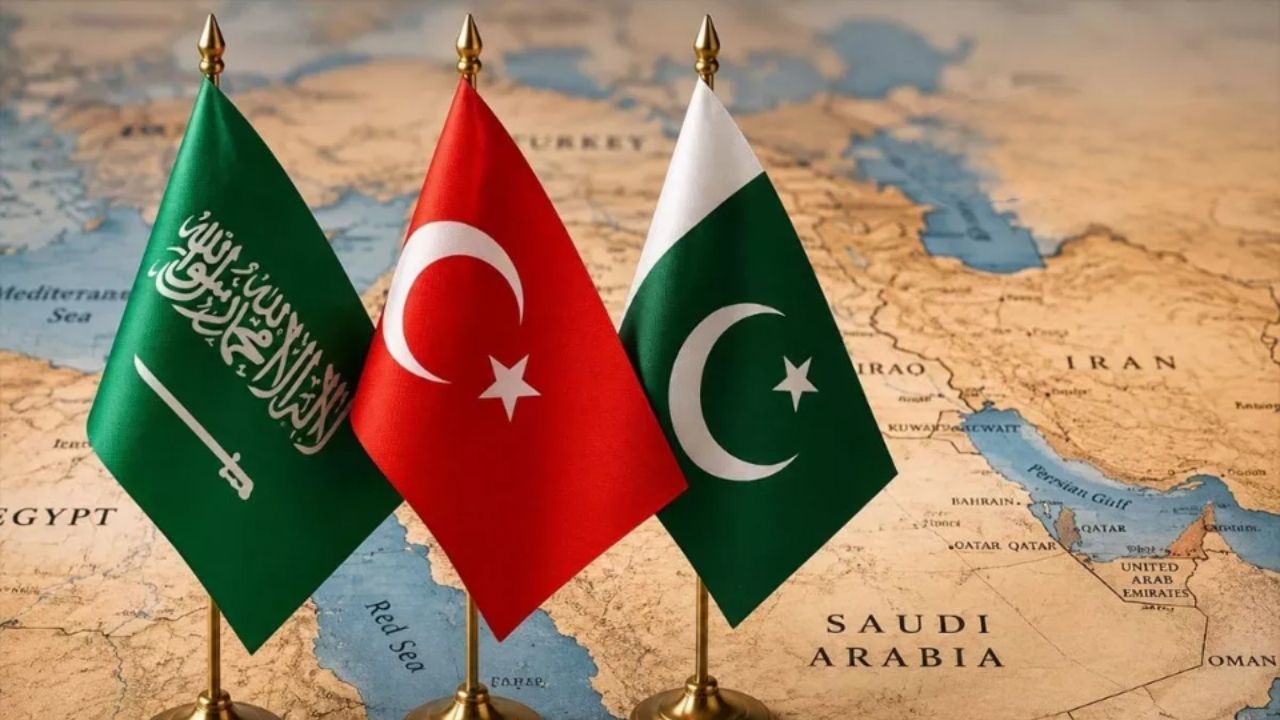



This dimension is particularly crucial for Israel, for whom a US garrison in proximity to Iran represents a tangible security guarantee and a reinforcement of a shared commitment to curbing Iranian regional influence.
The proposition also strategically entangles Pakistan. Officially, Islamabad would likely oppose the move to avoid antagonizing the Taliban and its strategic partner, China. However, a US presence could also be used as leverage to demand more robust counterterrorism cooperation from Pakistan, creating a complex dilemma for its leadership while potentially exacerbating domestic instability.
Inevitably, this calculus collides with the Taliban’s absolutist stance. Any suggestion of a US return is deemed a fundamental breach of the Doha Agreement. Having staked their legitimacy on the expulsion of foreign forces, the Taliban regime views the potential reoccupation of Bagram not as a negotiation point but as an existential threat to their sovereignty.
This irreconcilable opposition sets the stage for renewed confrontation, underscoring the high-risk nature of the strategic gambit.