In southern Somalia, survival has become a daily negotiation with hunger, displacement, and loss. A relentless drought has scorched the land. Rain has failed season after season, rivers have withered into dust, and once-fertile fields now lie barren.
As nature retreats, conflict advances. It restricts movement, disrupts farming, and forces families from their homes just when stability is most needed.
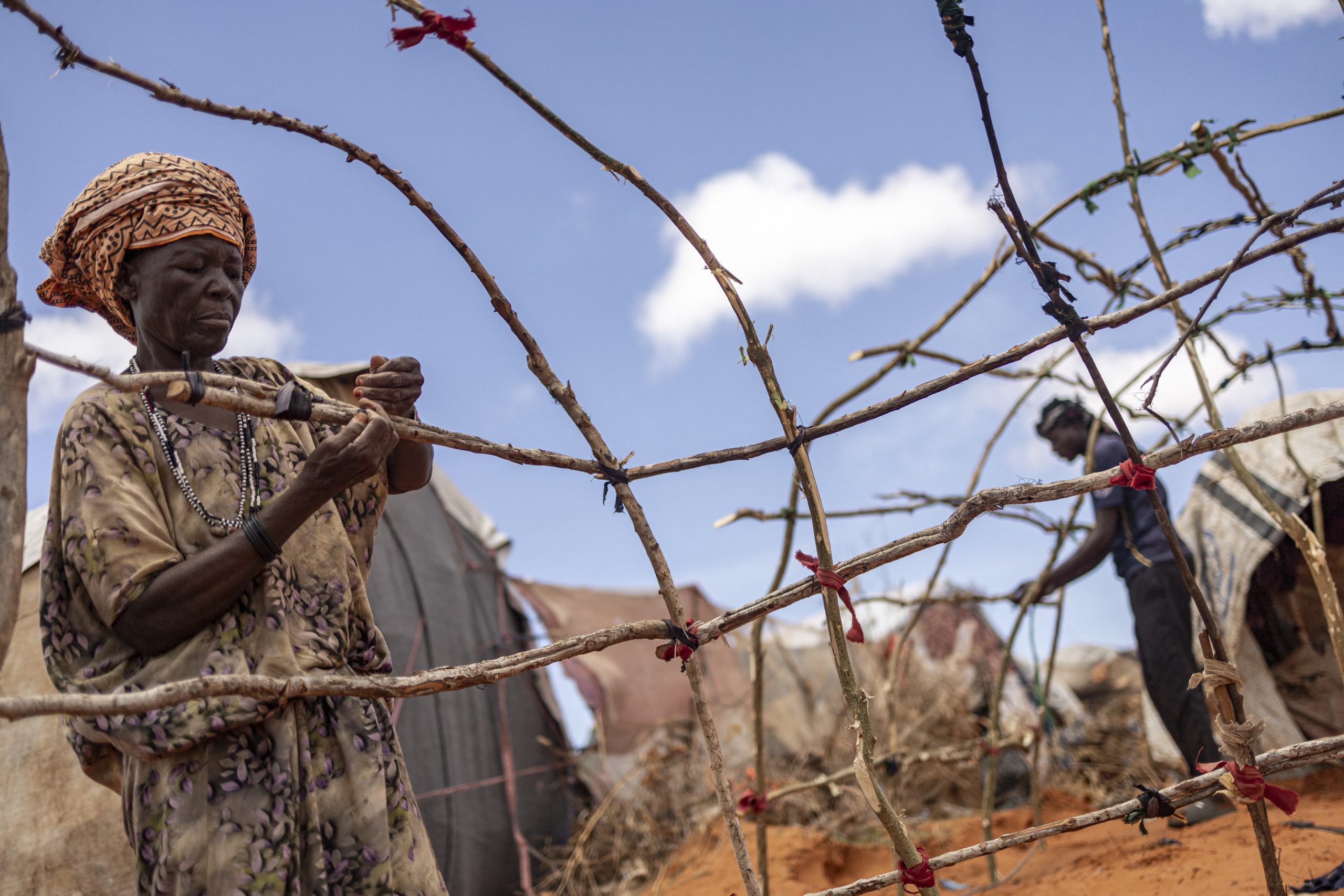
Now, even humanitarian aid is shrinking. The result is a deepening crisis where entire communities are being pushed to the very edge of survival.
For families across regions like Jubbaland, the collapse begins at home.

Repeated failed rainy seasons have killed livestock, dried up grazing lands, and erased livelihoods built on seasonal certainty. Pastoralist families, once sustained by herds of goats and cattle, now watch them die in the dust.
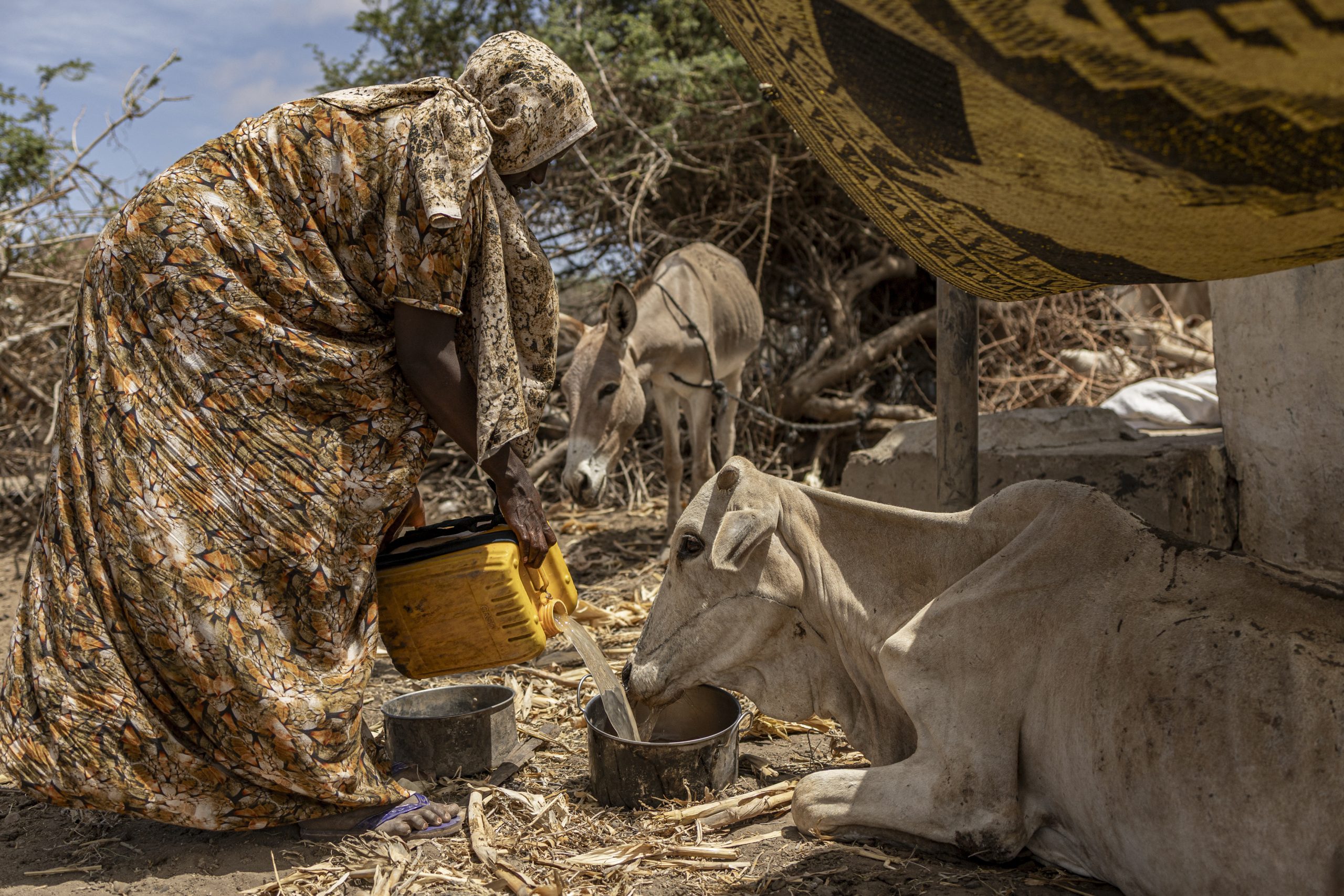
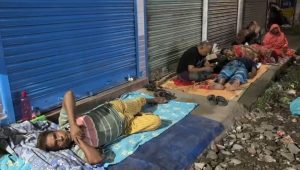
What follows is not just economic ruin but forced movement. Families abandon everything they own and set out on foot, carrying only what they can manage.


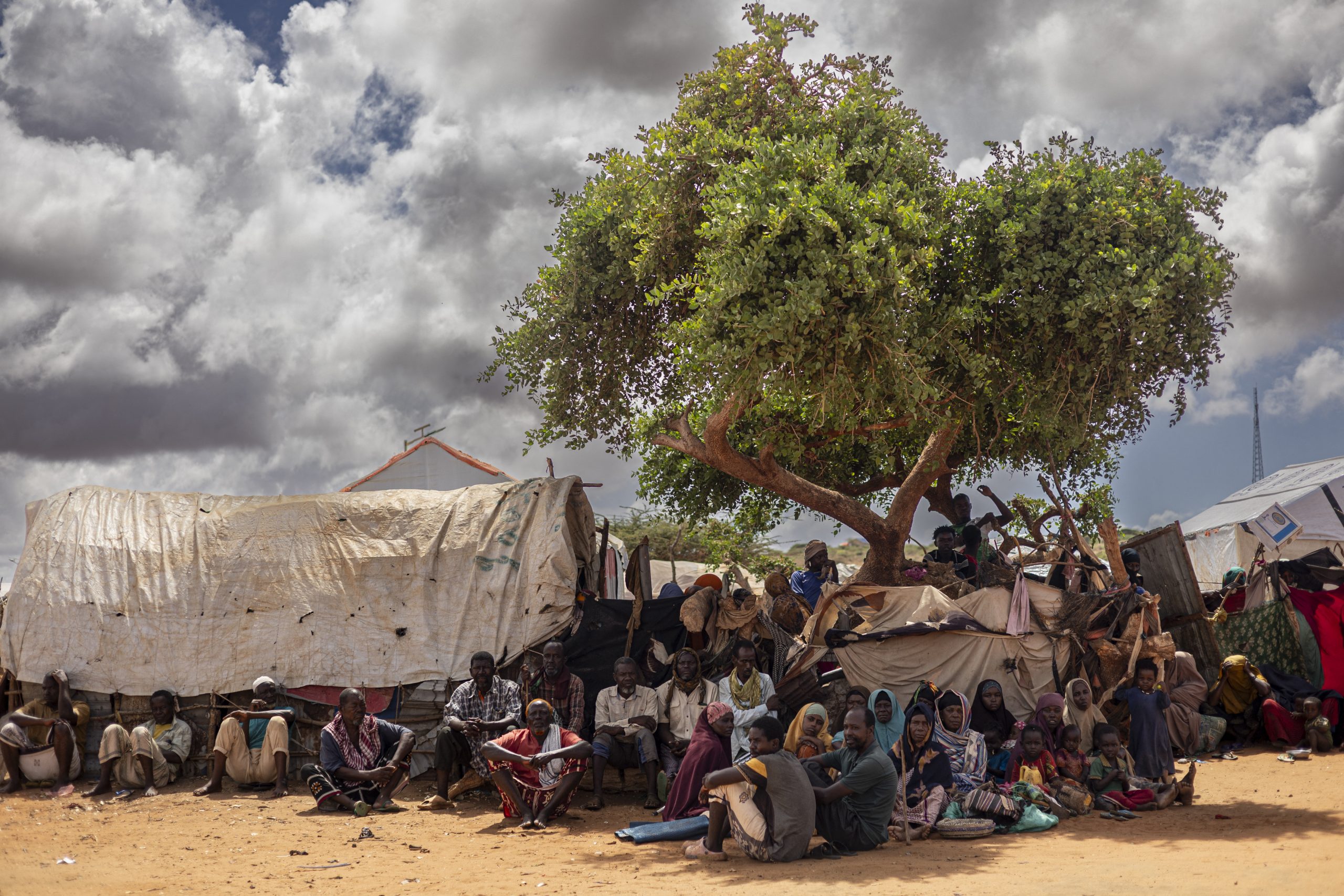
Some travel for days, others for weeks. The destination is uncertain, but staying has become impossible. They arrive in overcrowded camps near cities like Kismayo, searching for food, water, and medical care.
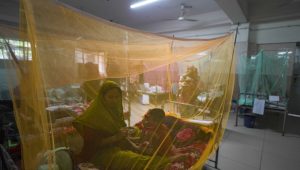
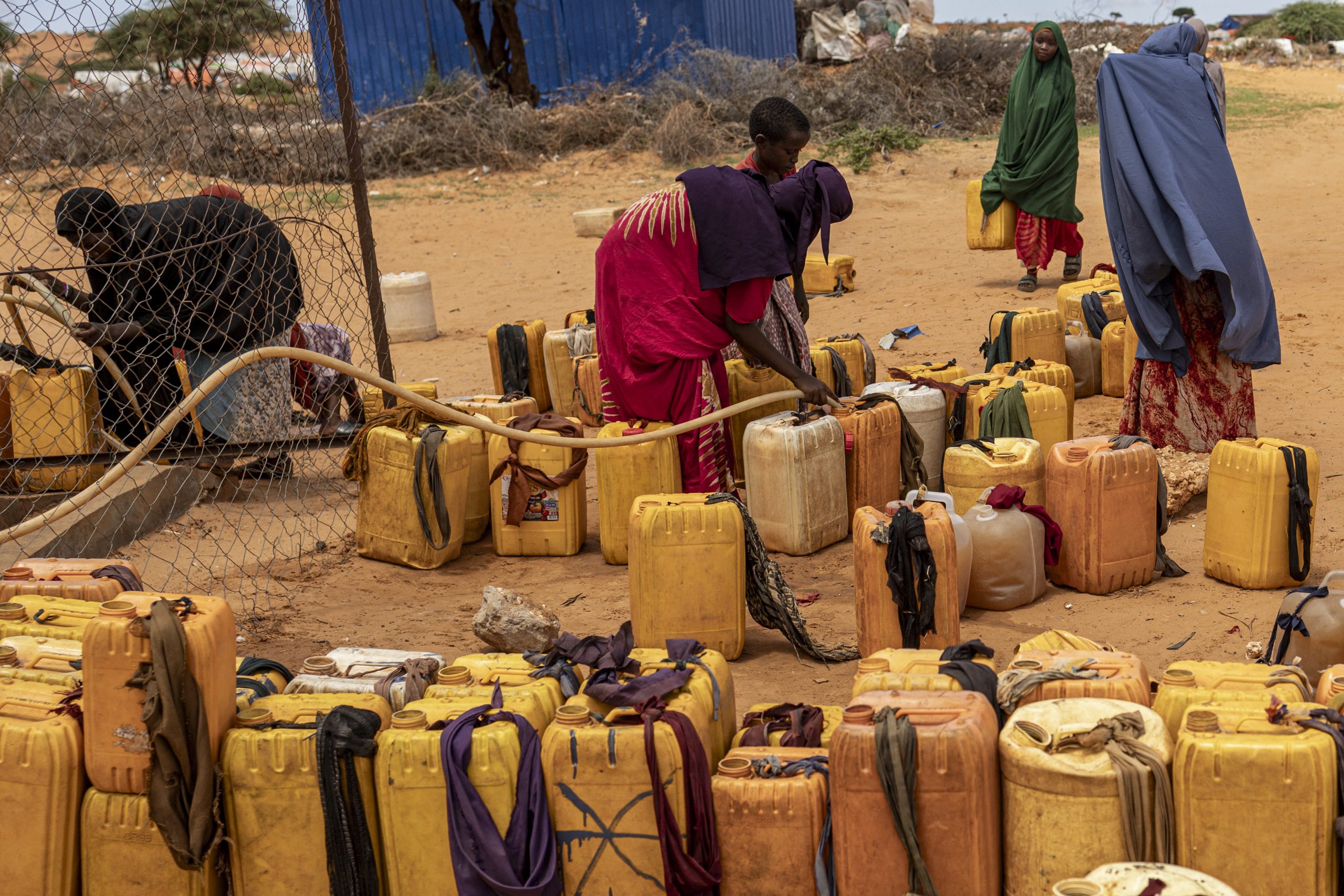
Yet the camps offer only fragile relief. Makeshift shelters stand on parched ground where clean water is scarce, and food supplies are unpredictable. Children bear the heaviest burden, with rising malnutrition rates as aid programmes shrink or shut down.
In some clinics, health workers are forced to turn away critically ill patients simply because there is no space, medicine, or supplies left.
The crisis is being intensified by funding cuts that have forced humanitarian agencies to scale back operations, closing health centres, reducing food distribution, and suspending education programmes.
Drought does not end, conflict does not ease, and now, with aid receding, the fragile safety net is torn apart completely. What remains is a layered catastrophe, slow, grinding, and continuous.
For many Somali families, the future has narrowed into the present: finding food for one more day, water for one more night. Hope has not vanished, but it has become harder to hold with every passing hour.