
It began with money saved from private tutoring and a dream of building an aircraft.
Now, a group of students at Chittagong University of Engineering and Technology (Cuet) is preparing to showcase its innovation on the international stage.
The students’ ambitions extend beyond building unmanned aerial vehicles (UAVs). They also want to foster a research culture at their university and represent Bangladesh in international competitions. With these goals in mind, Team Staraptor began its journey on 10 March.
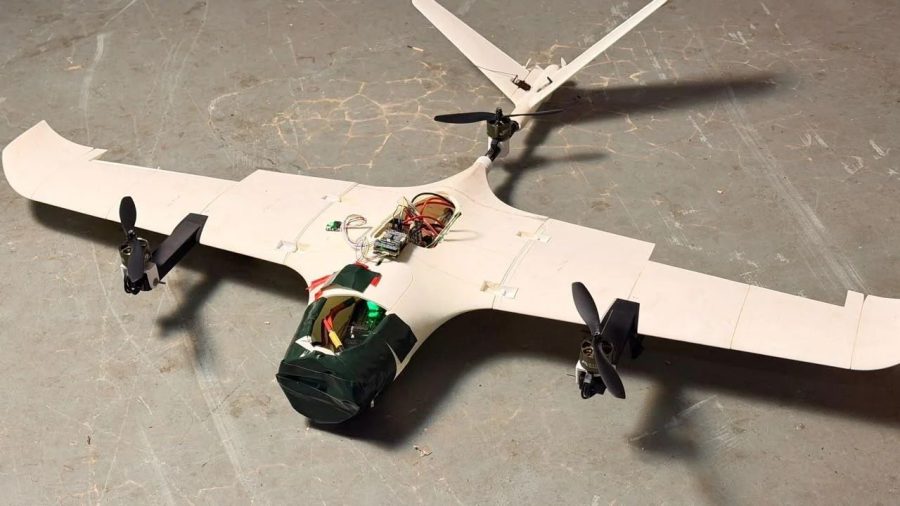
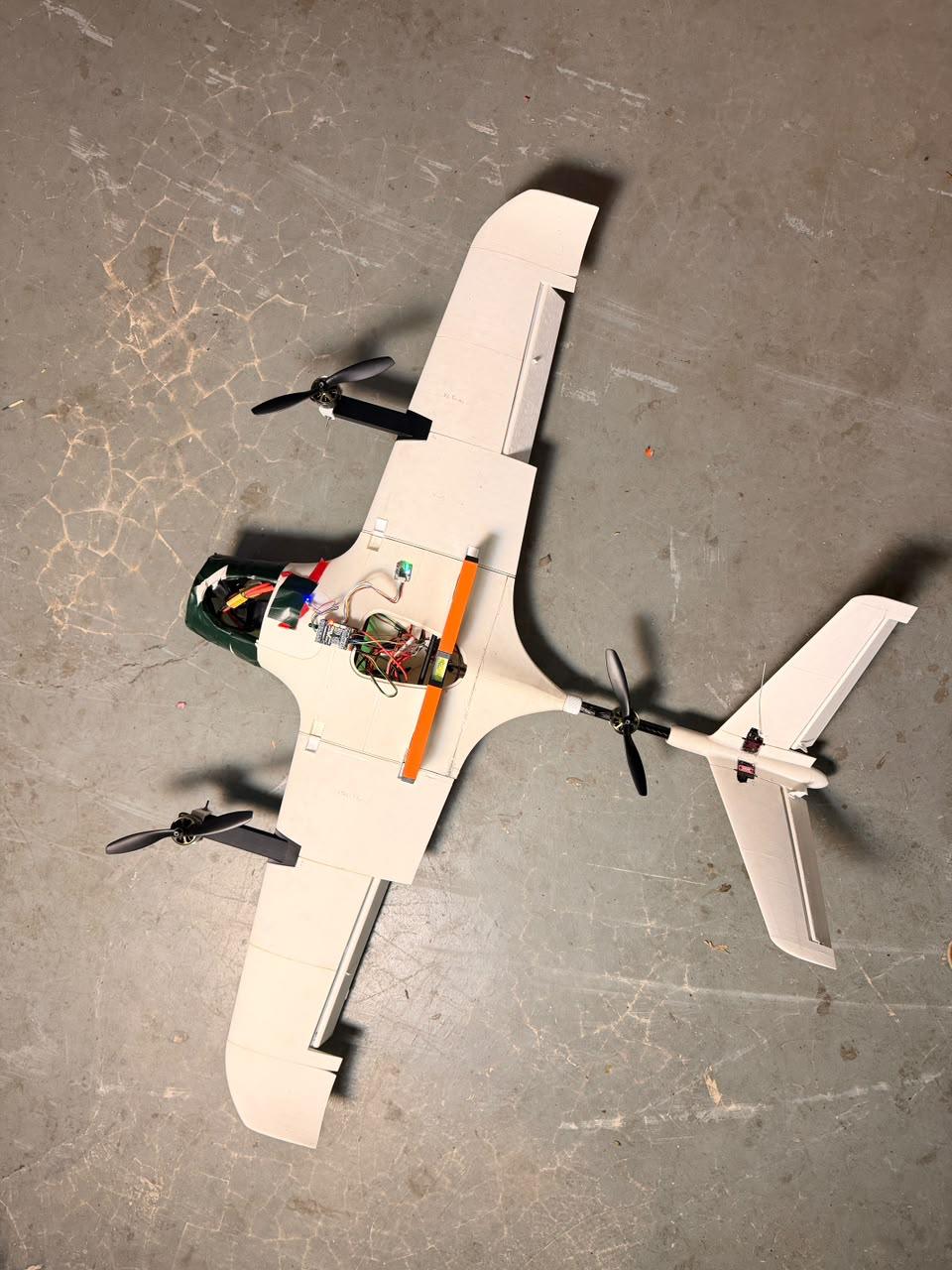
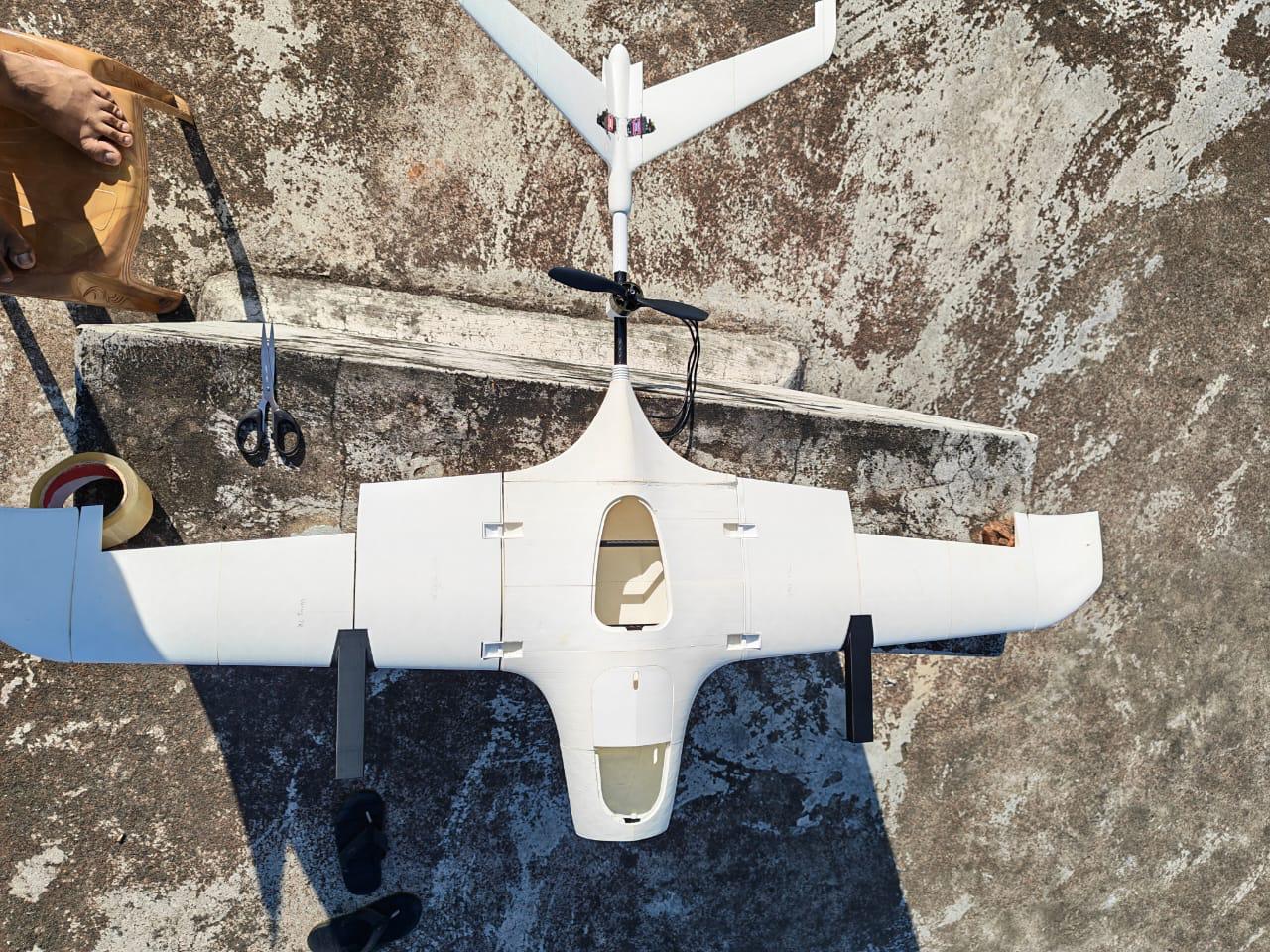
Their aircraft, named “The Staraptor,” combines the capabilities of a helicopter and a conventional fixed-wing aircraft. It can take off and land vertically and transition to forward flight once airborne, eliminating the need for a long runway.
With a wingspan of 1,340 millimetres and a length of 990 millimetres, the aircraft’s structure incorporates carbon fibre and three-dimensional (3D) printing technology.
It features a Pixhawk 6C flight controller, a Raspberry Pi for computer-based control, and satellite-based positioning and remote-control communication systems.
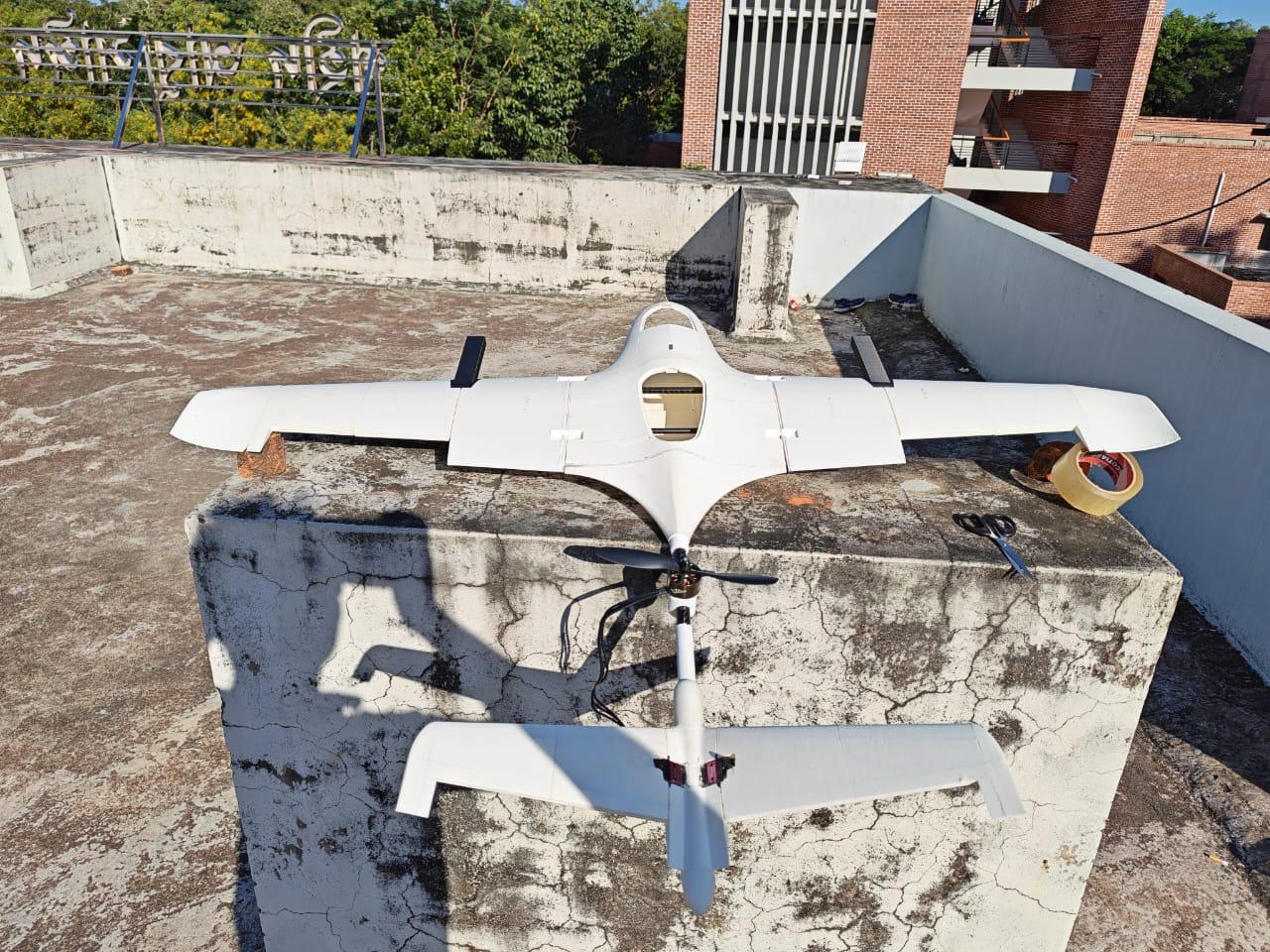
The team aims to develop an aircraft capable of carrying a payload of up to 15kg and flying at speeds of 60–70 kilometres per hour. These projected capabilities, however, have yet to be validated through final testing.
“Our goal is to develop a drone that can autonomously complete designated missions. In the future, this technology could play an important role in agriculture, healthcare, disaster management and goods delivery,” said team leader Rashid Abrar Ajmain.

What sets Staraptor apart from conventional drones is its approach to manufacturing.
“Moving away from conventional methods, we are developing the structure of a modular vertical take-off and landing (VTOL) unmanned aircraft entirely using three-dimensional printing technology,” Rashid explained.
“Conventional methods require heavy industrial facilities and complex manufacturing systems, which create limitations in modifying designs and scaling up production according to demand.
“On the other hand, our method makes it possible to produce lightweight aircraft structures at a comparatively low-cost using only a 3D printer and filament. This creates opportunities to manufacture components locally, modify designs and increase production as required, which is not easily achievable through conventional manufacturing methods.”
Project adviser Afnan Hasan, a faculty member of Cuet’s Department of Mechanical Engineering, praised the students’ commitment and vision.




“The dedication and foresight of the team members are truly remarkable. Bangladesh is not yet extensively involved in technologies such as drones. This initiative is therefore an important beginning for the country,” he told TIMES.
He believes such innovations could have a positive impact on Bangladesh in the future.
“Although the beginning is on a small scale, it is possible to dream of achieving something bigger from here,” he said.
The innovators’ ambitions extend beyond competitions. They envisage using the technology to deliver medicines to remote communities, supply emergency relief to flood-affected areas, monitor agricultural land and transport essential goods.
Such applications could be particularly valuable in a flood-prone country like Bangladesh.
From personal savings to technological innovation
The journey began without institutional funding or access to an advanced research laboratory.


Instead of waiting for external support, the students pooled their earnings from private tutoring to purchase a 3D printer. They began manufacturing components, developing designs and conducting technical experiments.
Rather than allowing limited resources to constrain their ambitions, they relied on their own skills, determination and hard work to advance the project.
Their inspiration came from Mongolchari, another Cuet team whose activities demonstrated that university students could pursue internationally competitive technological projects through their own initiatives.
That experience encouraged them to establish an independent, research-oriented team.
Although drone use is gradually expanding in Bangladesh, opportunities for indigenous innovation and research remain extremely limited. Staraptor has made developing this field one of its primary objectives.

The team comprises students from the 2022 and 2023 academic years of Cuet’s Department of Mechanical Engineering.
Dedicated groups oversee research, software development, design, simulated flight testing, publicity and communications, and documentation.
Beyond developing the aircraft, the students are gaining practical experience in mechanical engineering, computer technology, design and team management.
Setting sights on the global stage
Staraptor is preparing to compete at TEKNOFEST, an international technology festival in Turkey, in two categories – Fixed Wing and Free Mission.
The aircraft is currently undergoing flight testing.
According to the team’s schedule, its technical report is due on 22 February 2027, followed by the submission of flight evidence on 14 March. If selected, the team will participate in the main competition in April.
For now, the students are focused on ensuring stability, effective flight control, and safe take-off and landing.
Initially self-funded, the project has since attracted the attention of the local administration.
On 12 November, the Chattogram district administration awarded the team a Tk1 lakh grant to support its preparations for the competition in Turkey.
“By participating in a global competition, Staraptor hopes to demonstrate its capabilities on the international stage while inspiring a new generation of young people in the country,” project adviser Afnan Hasan told TIMES.