


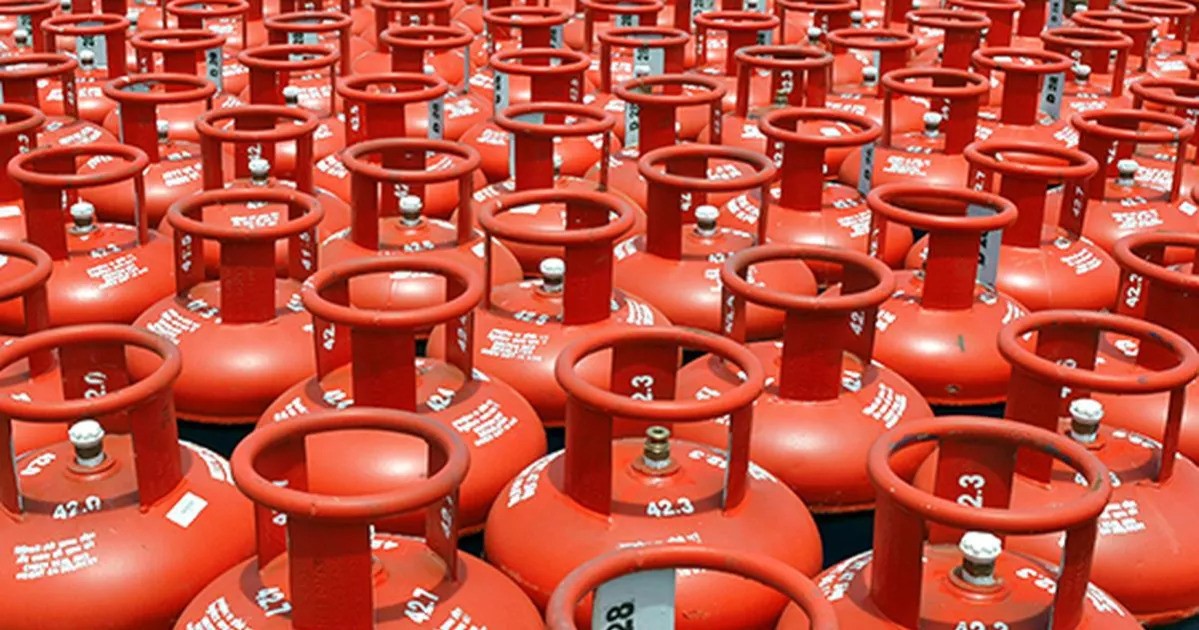



Longer shipping routes, vessel shortages and rising global prices are adding to the cost of importing liquefied petroleum gas (LPG) into Bangladesh, putting further pressure on a market heavily dependent on overseas supplies.
The LPG Operators Association of Bangladesh (LOAB) said in a statement on Thursday that international LPG raw material prices had risen by around 21 per cent over the past year. LOAB Secretary General Mohammad Ahsanul Jabbar said shipping disruptions, cancelled contracts and higher freight charges had increased importers’ costs, with the burden eventually reaching consumers.
Around 80 per cent of the cost of a 12kg LPG cylinder comes from gas procurement and imports. The remaining 20 per cent covers VAT and taxes, bottling, domestic transportation, profit margins and dealer and retailer commissions.
Saudi Aramco’s average LPG Contract Price rose from around $552 per tonne in 2025 to $666 in 2026. In November, propane stood at $720 and butane at $780 per tonne, giving a weighted average of $759 at a 35:65 ratio.

The Bangladesh Energy Regulatory Commission (BERC) sets monthly domestic LPG prices based on Saudi Aramco’s Contract Price, announced towards the end of each month. Its fixed price rose from Tk113 per kg in February to Tk171.68 in November, according to LOAB.
Shipping disruptions through the Strait of Hormuz and Bab-el-Mandeb, cancelled contracts and a global shortage of specialised LPG carriers have pushed international freight charges and commodity prices to three to four times normal levels, LOAB said. Around 80 per cent of Bangladesh’s LPG demand is met by US imports, which involve longer sea voyages and higher transportation costs.



The Taka also lost around 3 per cent of its value against the US Dollar over the past year, increasing importers’ costs for opening letters of credit and procuring LPG, the association said.
Comparing Bangladesh’s LPG costs with those in India, LOAB pointed to differences in port infrastructure, domestic production, market size and government subsidies.
Indian ports can directly unload LPG carriers carrying around 42,000 tonnes within three to four days. In Bangladesh, inadequate port draft requires offshore transfers to smaller vessels, extending the process to around 25 days, according to LOAB. Operating a large carrier costs about $200,000 daily.

India’s LPG market is around 20 times larger than Bangladesh’s, meets nearly half its demand through domestic refineries and receives approximately 30,000 crore rupees in government subsidies for the sector in FY2025-26. Bangladesh provides no such subsidies, LOAB said.
To reduce import and handling costs, LOAB has proposed a government-led or public-private partnership to establish a land-based LPG terminal at Maheshkhali. The facility would streamline imports and unloading, potentially easing domestic costs.
The association said it had instructed member operators and distributors to maintain uninterrupted supplies and sell at BERC-fixed prices. It also urged immediate legal action against businesses and retailers charging above official rates, reaffirming its commitment to enforcing government directives and protecting consumers from overcharging and harassment.