


South Korea said on Monday it hopes for a resumption of diplomacy between Washington and Pyongyang to ease tensions on the Korean Peninsula, after US President Donald Trump ordered a reduction in joint military exercises with Seoul, a move that has raised concerns about weakening the allies’ readiness against North Korean threats.
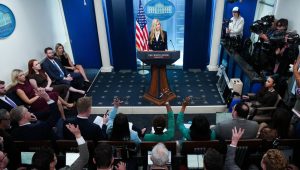
Trump cited his good relationship with North Korean leader Kim Jong Un in ordering Defence Secretary Pete Hegseth to “substantially reduce” the drills, in an apparent bid to draw Kim back to the negotiating table, says AP.
The 11-day Ulchi Freedom Shield exercises began as scheduled on Monday morning, though it remained unclear which elements of the training were being scaled down. Trump’s announcement puzzled many in South Korea, where national security ranks as a top priority given the threat from nuclear-armed North Korea.
Writing on social media, Trump said the exercises were costly and sent “a signal that is totally inappropriate and hostile” towards North Korea, which he described as having been “unthreatening and respectful” during his time in office.
He added that he had recently asked South Korean President Lee Jae Myung whether Seoul would join

Washington in pursuing the “denuclearisation” of Iran, and that Lee had declined.
The decision marks the latest instance of Trump appearing to favour a leader previously regarded by US administrations as an adversary over a longstanding ally.
He and other officials in his administration have also criticised NATO members over what they see as insufficient support for the US campaign against Iran, even as those allies confront a more assertive Russia in the Baltic region.

Trust in Washington among South Koreans has been further strained by a tariff dispute triggered by the Trump administration and its transactional approach to security matters.
The South Korean presidential office said later on Monday that it hoped the rapport between Trump and Kim could pave the way for “meaningful dialogue” between the two countries and open discussions on peace and stability on the peninsula, adding that Seoul would make the necessary diplomatic efforts.
It also said South Korea and the United States were in close discussions over possible military and practical contributions to restoring freedom of navigation in the Strait of Hormuz.
Lee, a liberal advocate of warmer ties with Pyongyang, has taken conciliatory steps since assuming office last year, including switching off frontline loudspeakers broadcasting K-pop and world news.
On Saturday, he proposed talks to formally end the 1950-53 Korean War, which concluded in an armistice rather than a peace treaty.
The main opposition People Power Party accused Lee of ignoring public security concerns over Trump’s announcement and prioritising the prospect of US-North Korea dialogue.
North Korea has rejected talks with Washington and Seoul and stepped up weapons testing since nuclear negotiations between Kim and Trump collapsed in 2019, while strengthening ties with Russia over its war in Ukraine and deepening cooperation with China.
In September 2025, Kim indicated he might resume talks if the US abandoned its “delusional obsession” with North Korean denuclearisation, with analysts suggesting he hopes to use his expanded nuclear arsenal to extract major concessions such as sanctions relief.
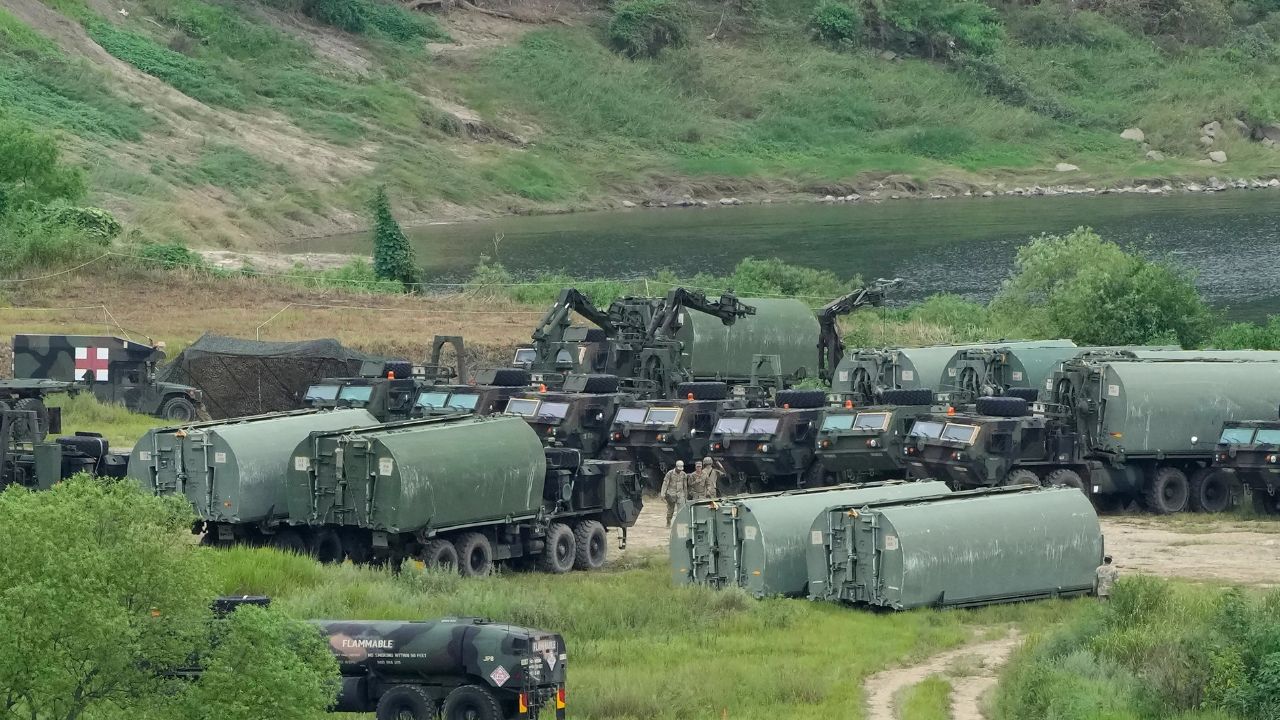
South Korea’s military said the Ulchi Freedom Shield drills would be similar in scale to previous years, involving around 18,000 South Korean troops, while the US military said the exercises would draw on lessons from the
Russia-Ukraine war and include live-fire and river-crossing components. North Korea’s foreign ministry accused Washington and Seoul of plotting more provocative drills and vowed a stronger deterrent response, having fired two ballistic missiles into the sea earlier this month in apparent protest.
This is not the first time Trump has curtailed the exercises: after his first summit with Kim in 2018, he unilaterally suspended the drills, calling them “provocative” and expensive.
Analysts say Pyongyang feels less urgency to negotiate now than in 2018, but is unlikely to dismiss Trump’s overture entirely, and may wait for further signs that Washington intends to ease hostility before responding.