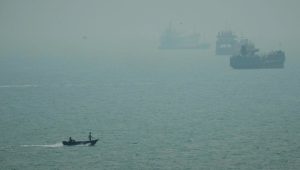
Saudi Arabia and Kuwait have refused to allow the United States to use their airspace or military bases for “Project Freedom,” a US-led operation intended to provide naval escorts for ships in the Strait of Hormuz.
The decision follows a surge in regional instability after a US attack on an Iranian oil tanker in the Gulf of Oman.
According to reports from Gulf News and NBC News, Riyadh has explicitly informed Washington that it will not permit the use of the Prince Sultan Air Base, located south-east of the capital, nor will it allow US aircraft to fly through Saudi sovereign skies for this mission.
The announcement of “Project Freedom” by US president Donald Trump on Sunday reportedly caught Gulf allies off guard.

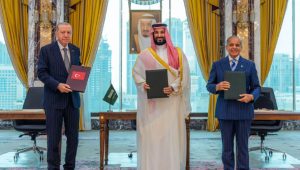
Sources indicate that a subsequent telephone conversation between president Trump and Saudi crown prince Mohammed bin Salman failed to reach any consensus on the matter.
Following Saudi Arabia’s lead, Kuwaiti authorities have also confirmed they will block the use of US bases and airspace within their borders for the operation.



In light of this unified stance from key allies, president Trump stated via a message on Truth Social that the mission has been temporarily suspended to allow for potential peace negotiations.
Despite the pause, president Trump has issued a severe warning to Tehran.
He asserted that if Iran does not accept a proposed 14-point peace agreement, the country will face aerial bombardments more devastating than any previously seen.
The peace proposal, which includes measures to regulate Iran’s nuclear programme in exchange for the withdrawal of US sanctions, is currently being reviewed by officials in Tehran.
As the crisis unfolds, China has called for the immediate reopening of the Strait of Hormuz to ensure the flow of maritime traffic.
The situation is further complicated by renewed conflict elsewhere in the Middle East. Israel recently conducted heavy air strikes on Dahiyeh, a southern suburb of Beirut, marking the first such attack since last month’s ceasefire.
Israeli officials claim the strike killed a senior Hezbollah commander.
The combined impact of the Hormuz crisis and ongoing hostilities in Gaza and Lebanon has triggered fresh anxieties regarding global oil price stability.