
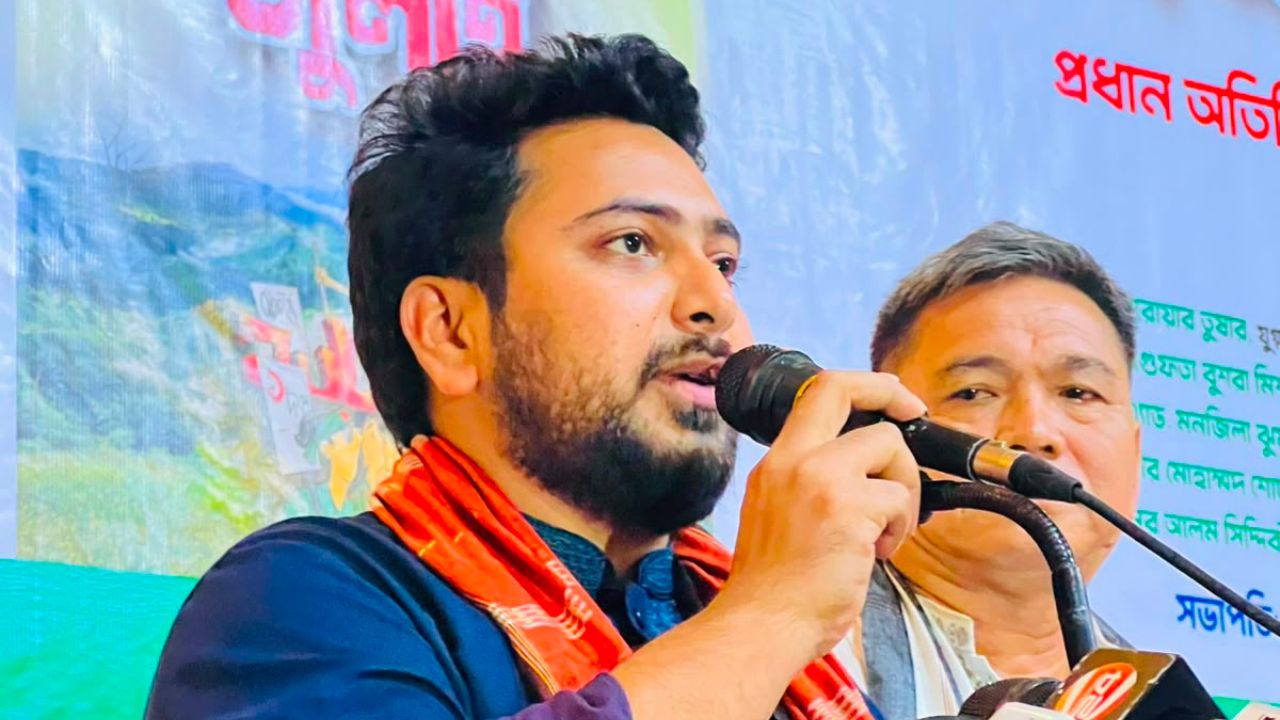
Sarjis Alam, chief organiser (northern region) of the National Citizen Party (NCP), has raised concerns that the July National Charter 2025 may lose significance in the future, warning that those who participated in the 2024 mass uprising could later face sedition charges under changing political circumstances.
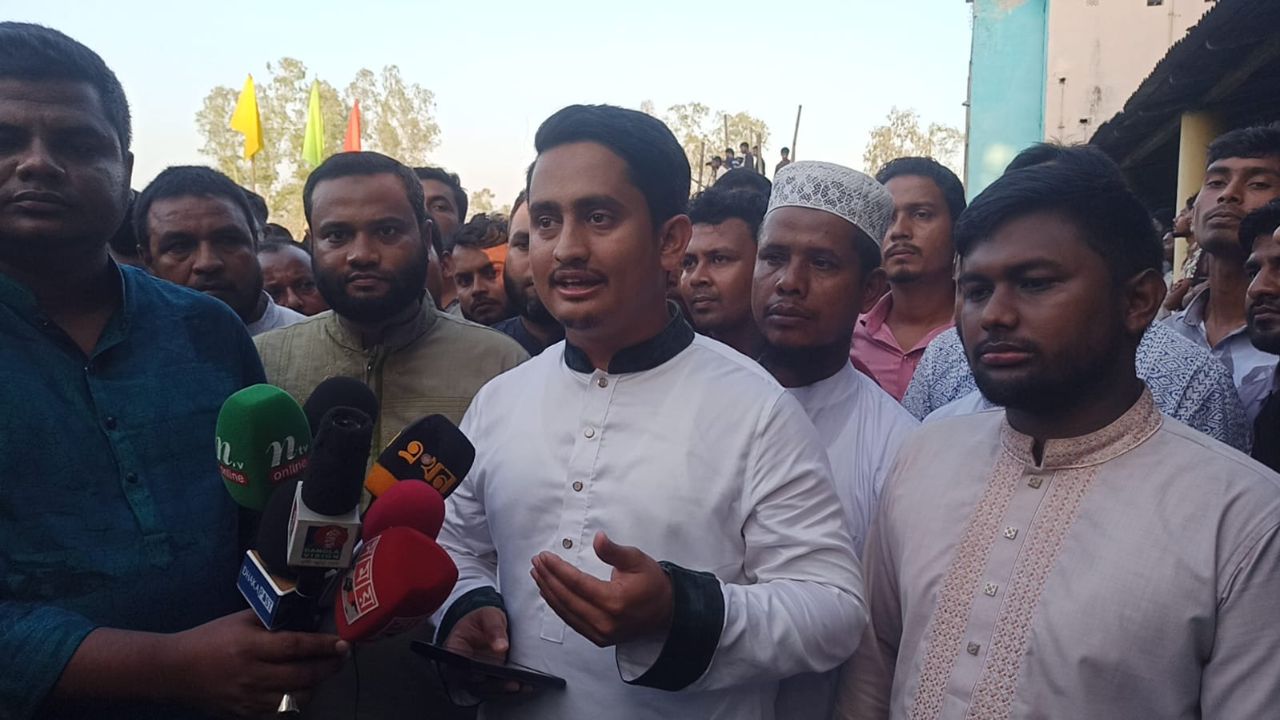
He made the remark while speaking as the chief guest at the fourth day of the Gold Cup Football Tournament organised by Tunirhat Junior Football Academy at the Shaheed Ziaur Rahman Degree College ground in Panchagarh Sadar Upazila on Friday.
Sarjis said, “We may soon see the uprising itself erased from public memory. And later, those who fought in that movement might be accused of sedition and prosecuted under various legal provisions.”
He expressed doubt over the intentions behind the July Charter, stating that some future governments could attempt to criminalise the actions of those who took part in the democratic movement. “This is why our position must be clear before signing on to something like this,” he added.

Sarjis explained that the NCP chose not to participate in the signing of the charter, citing the interim government’s lack of seriousness.
“For them, it’s just about getting signatures and moving toward an election, regardless of whether any reforms happen, or whether the charter has legal weight or not.”



He criticised the interim government’s approach, saying, “They didn’t offer us anything new. The demands we placed were already agreed upon in the consensus commission. Yet it seems all they want is signatures, nothing more.”
Sarjis also criticised the chief adviser, alleging that despite repeated attempts to communicate, there was no response for nearly 12 hours. “We made our position clear. Our convener had said we’ve made enough compromises since 5 August. Even in the declaration, we compromised. But look at what the final document is, just a symbolic piece of paper with no visible effect,” he said.
Turning to the BNP’s position, Sarjis noted that the party had included several notes of dissent in key areas. “Some of those dissent notes are more crucial than the 50 points that weren’t objected to. If the July Charter is approved through a public referendum, what happens to those dissent notes? Will they remain valid? If a future government refuses to implement parts of the charter citing its prior dissent, what will be the legal standing? None of this has been clarified.”
He said the NCP had clearly stated that the July Charter must be formalised through an executive order from the chief adviser not from the president appointed by the previous “fascist regime.” According to Sarjis, the interim government could have resolved these issues with a clear public declaration within a day, but chose not to.
Sarjis also expressed frustration over the way the signing ceremony was conducted. “The July Charter should have prioritised the families of martyrs and the fighters of the uprising. But it turned into a typical political gathering, as if it were a party alliance event. The July fighters and the families of martyrs were neither present in the front row nor given due respect.”
He condemned the use of force against protestors at the event, saying, “If they had grievances, there were better ways to handle it, through the administration or dialogue. But the use of batons, tear gas, and rubber bullets was completely unacceptable and deeply unfortunate.”
On the fourth day, the match was held between Naogaon Football Development Academy and Joy Sporting Club Pirganj from Rangpur.