
South Africa has deported or repatriated more than 53,000 African migrants within a month as authorities intensify a crackdown on undocumented immigration amid a rise in protests and sometimes violent actions targeting foreigners, according to AP.
Justice Minister Mmamoloko Kubayi said on Sunday that more than 80 per cent of those sent home were from Malawi. Officials did not provide a breakdown between those formally deported and those who accepted voluntary repatriation.
The large-scale operation comes as anti-immigrant sentiment has grown across South Africa, prompting several African countries to arrange flights and buses to help return their citizens home.
Police said they had arrested 350 people over allegations including public violence, intimidation and unauthorised immigration checks. The checks involve groups of South African civilians stopping migrants and demanding documents to prove they are legally in the country.
South African police are investigating the deaths of at least three migrants — two from Mozambique and one from Malawi — amid the unrest. Nigeria has also said two of its citizens were killed during anti-immigrant protests, although South African authorities have denied that their deaths were connected to the demonstrations.

Officials said migrants from Malawi, Zimbabwe and Mozambique accounted for the majority of those deported or repatriated. The group also included citizens from Nigeria, Uganda and Kenya.
South African President Cyril Ramaphosa announced plans last month to strengthen border controls and enforce immigration laws in the continent’s most developed economy, while acknowledging growing public tensions over migration.
The move followed protests by anti-migrant groups that have claimed, without evidence, that foreign nationals are contributing to South Africa’s high unemployment rate and crime problems.




Ramaphosa warned citizens against taking the law into their own hands following reports of vigilante attacks against migrants.
The latest major protest by anti-immigrant groups took place on 30 June, which organisers had declared as a deadline for undocumented migrants to leave South Africa. The government rejected the demand.
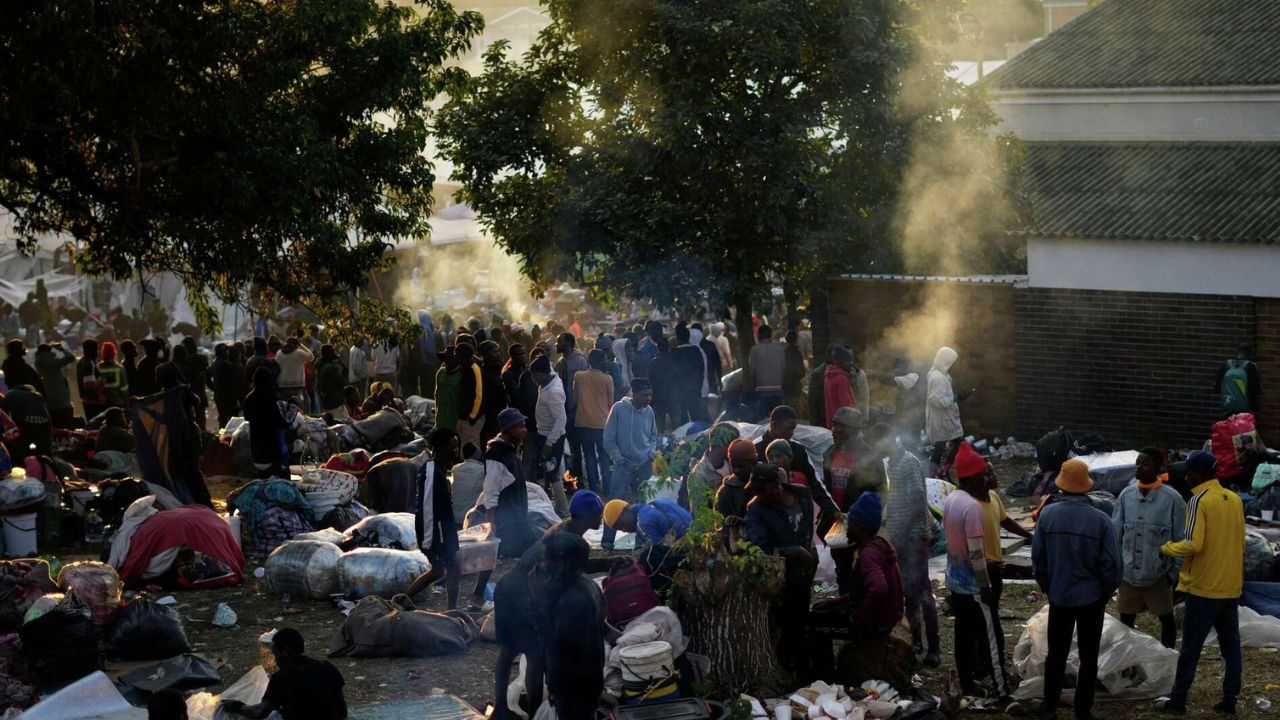
However, the announcement led thousands of Malawians to gather at a temporary immigration facility in Durban, seeking assistance to return home. South African officials said some left voluntarily, while many others were deported for lacking valid documents.
More than 20,000 migrants were also deported or repatriated from a temporary immigration centre in Musina, a northern border town.
South Africa has long attracted migrants from other African countries due to its relatively strong economy, but the issue has repeatedly triggered tensions. In 2008, more than 60 people were killed in violence targeting foreigners, with further outbreaks reported in later years.
Sabina Tadera of the Southern Africa Network for Immigrants and Refugees, an organisation advocating migrant rights, said some Malawians who recently gathered at temporary camps to return home were legally living in South Africa but feared attacks.
“There is a misconception that all people on the move are undocumented,” she told The Associated Press.
The crackdown has also created diplomatic friction with some countries of origin, which have criticised South Africa over what they describe as a climate of xenophobia.
“For migrants, South Africa is seen to offer economic opportunities that do not exist in their country of origin,” said Laura Freeman, an independent human rights and migration consultant.
She said repeated waves of xenophobic violence, including the latest unrest, were changing perceptions of South Africa and making the country appear increasingly hostile to migrants.