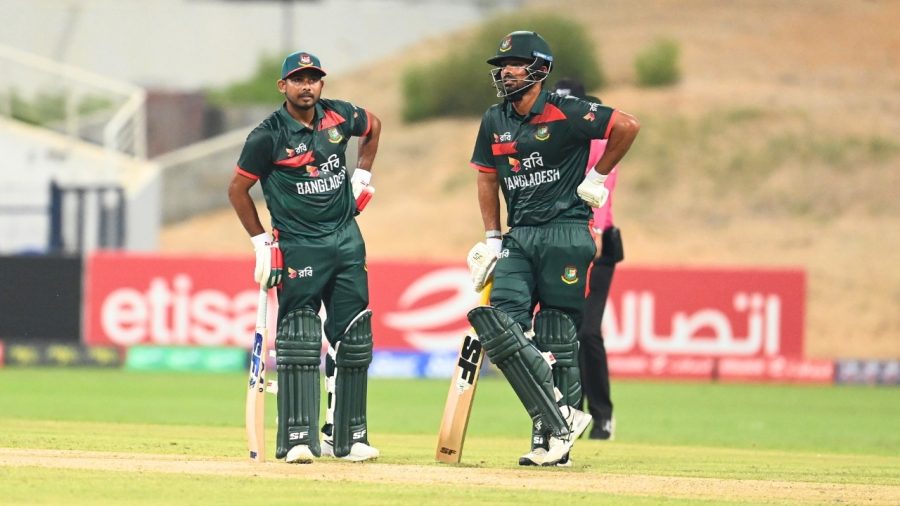



Bangladesh’s 99-run defeat to Zimbabwe in Abu Dhabi on Saturday was more than just a disappointing start to the tri-nation series. It exposed problems that have troubled the Tigers for some time and raised fresh questions about their preparations for the 2027 ODI World Cup.
With less than a year remaining before the tournament, Bangladesh are still struggling to find consistency in their batting, maintain pressure with the ball and make the most of promising positions. Their latest defeat showed how little progress they have made in addressing these problems.
Their batting remains the biggest concern. Bangladesh have now failed to chase targets of 240 or more in eight of their last 10 innings batting second. It is a worrying record for a team hoping to compete against stronger opponents at the World Cup.
The problem goes beyond individual failures. Bangladesh have repeatedly struggled to build partnerships, maintain a steady scoring rate and bat through their full 50 overs.
Against Zimbabwe, they were dismissed for 172 in just 33.4 overs while chasing 272. It was another example of how quickly their batting can collapse once a few wickets fall.

Their bowling has also suffered from a lack of consistency. The Tigers have often started well but failed to maintain pressure throughout an innings. Against Zimbabwe, they reduced their opponents to 24-3 but eventually conceded 271-8.
Such failures have made it difficult for Bangladesh to turn promising positions into victories.
Pacer Taskin Ahmed, who took three wickets in the defeat, admitted that the team must improve across all departments.
“It has been a reality check, showing us where we need to improve, whether in batting, bowling or as a team. This is not an individual game. One or two individual successes do not count for much if we cannot win the match,” he said.




His comments reflect a wider problem. The team continues to struggle when several players need to contribute together.
There is another worrying side to the Zimbabwe rivalry. Bangladesh once dominated meetings between the two teams, but Zimbabwe have now won five of their last seven ODIs against the Tigers.
Zimbabwe captain Sikandar Raza, however, refused to describe beating Bangladesh as easy.
“It’s international cricket, no win comes easy, and I would not disrespect Bangladesh or for that matter any other country by calling it an easy win,” Raza said.
“There was a time when Bangladesh probably beat us out of eight games maybe six times, and I’m sure they would say the same thing that it wasn’t easy,” Raza added.
His words showed respect for Bangladesh, but the recent results tell a different story. A team that once enjoyed a clear advantage over Zimbabwe is now finding it increasingly difficult to beat them.
The situation becomes more concerning when viewed in the context of the next ODI World Cup. The tournament will take place in South Africa, where Bangladesh will need to adjust to unfamiliar conditions and face opponents with stronger records in those environments.
Questions have also emerged over Bangladesh’s coaching staff, particularly after another batting collapse. Taskin defended the local coaches, insisting that bringing in foreign names would not automatically solve the team’s problems.
“The basic theories are the same, whether the coaches are local or foreign. It is not as if everything in the world will change if a foreign coach comes in,” he said.
The challenge is also mental. Repeated defeats can affect confidence, especially when a team continues to lose matches from positions where it has a chance to win.
Bangladesh will face Afghanistan in Sharjah on October 21, with their hopes of reaching the tri-series final under pressure.
But the bigger challenge goes beyond qualifying for the final. Bangladesh must find a way to bat longer, build partnerships, control crucial moments and turn opportunities into victories.