The global potato industry is valued at approximately $120 billion, yet Bangladesh holds less than 0.01 percent of the international market share, according to experts speaking at a seminar in Dhaka on Saturday.
The seminar, organised by the Bangladesh Cold Storage Association at the International Convention City Bashundhara, highlighted the country’s minimal global footprint in potato exports. During the 2023-24 fiscal year, Bangladesh exported just $14 million worth of potatoes, underscoring the untapped growth potential within the sector.
M Masrur Reaz, Chairman of Policy Exchange of Bangladesh, presented a compelling case for diversifying the country’s export base through the agro-processing of products like potatoes. Reaz argued that diversifying beyond Bangladesh’s heavy reliance on the ready-made garment industry would help reduce macroeconomic risks and strengthen long-term economic resilience. He stressed that achieving this diversification would require comprehensive policy support, regulatory reforms, and significant investment in infrastructure.
Reaz also pointed to Bangladesh’s favourable agricultural conditions, noting that the country’s climate, soil fertility, and existing production systems provide a significant advantage in the agricultural sector, particularly for crops like potatoes.

Globally, potatoes account for around 4 percent of total crop production, with Asia producing 54 percent of the world’s potatoes. Bangladesh ranks among the top 10 potato producers in Asia, following countries like China and India. Despite this, the country’s share in global potato trade remains disproportionately small, highlighting the need for strategic steps to expand its international market presence.
Reaz highlighted several key advantages of potatoes as a crop. They are high-yielding, with production rates of 10 to 28 tonnes per acre, and they adapt well to local conditions. Potatoes also have a short production cycle of three to four months, which makes them an ideal crop for Bangladesh’s climate. In addition, potatoes are resilient to climate change, an important factor for a country that is highly vulnerable to the impacts of global warming.



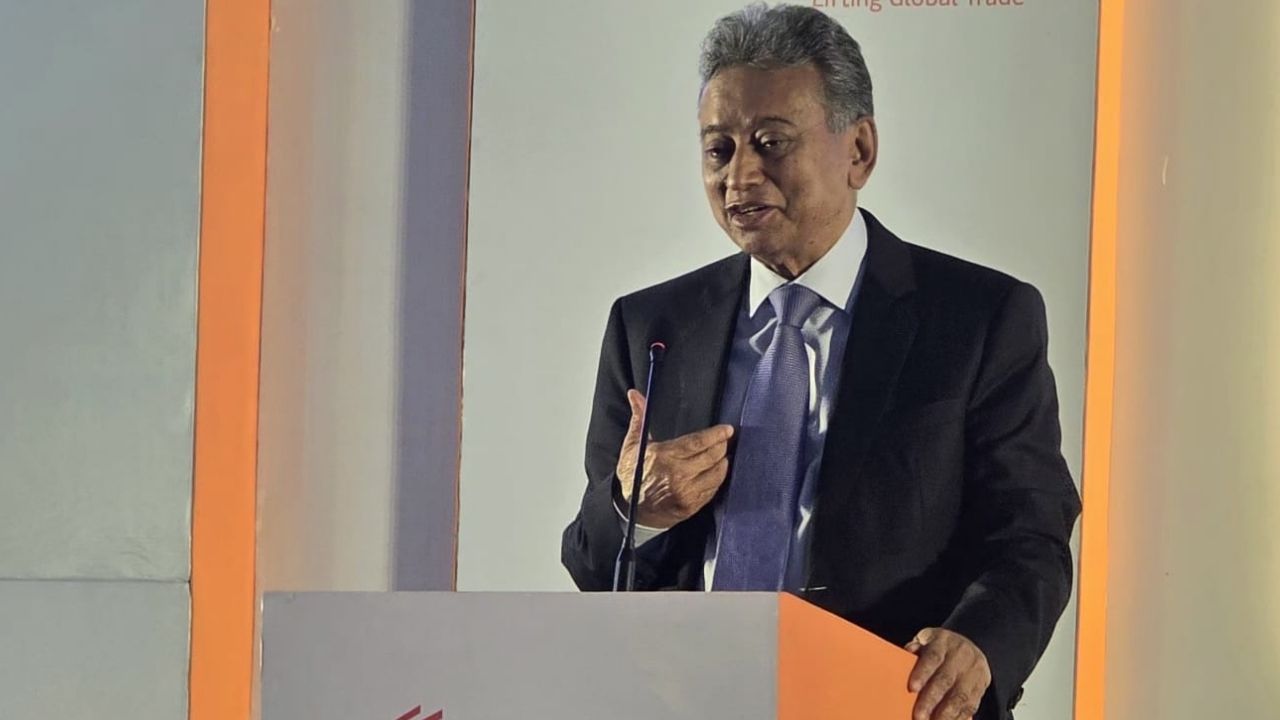
Jahangir Alam Khan, a renowned agricultural economist, discussed the importance of increasing potato consumption in Bangladesh. He pointed out that promoting potato consumption should not be solely the responsibility of the agriculture ministry, as this could be seen as an attempt to reduce pressure on rice due to shortages. Instead, Khan emphasised that consumption could increase organically if stakeholders within the potato sector—such as cold storage operators and businesses—educate both urban and rural populations about the diverse uses of potatoes.
Khan also noted that while potato production is at a high level, consumption remains low, leading to falling prices. “Increased usage is therefore essential,” he stated, adding that without an increase in domestic consumption, the sector would struggle to realise its full potential.
Md Mahmudur Rahman, Additional Secretary of the Agriculture Ministry, highlighted a key cultural issue in promoting potatoes. He observed that in many European countries, potatoes are a central component of meals, while in Bangladesh, rice-based dishes dominate the culinary landscape. He stressed that cultural acceptance of potatoes as a key food item would need to develop organically over time.
The government, Rahman added, is considering measures to support farmers facing financial losses due to falling potato prices. This could include direct price support or cash assistance, which would depend on cultivated acreage and available fiscal resources.
Mohammad Masum, Chairman of Supreme Seed Company Limited, emphasised the importance of integrating potatoes into the national diet as part of Bangladesh’s food security strategy. He suggested that declaring potatoes the country’s second staple food could create the necessary policy framework for coordinated action across various sectors to improve potato production and consumption.
The seminar concluded with a call to action for policymakers, agricultural experts, and industry stakeholders to work together in realising the full potential of Bangladesh’s potato sector. If the country can effectively leverage its agricultural advantages and implement the necessary reforms, it could see substantial growth in both domestic consumption and international exports of potatoes in the years to come.