Prime Minister Tarique Rahman has directed the relevant authorities to evaluate the feasibility of reintroducing a “universal stipend” for female students from class VI to graduation.
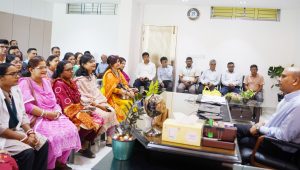
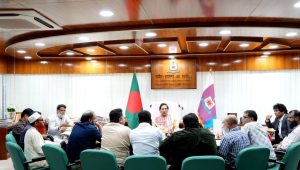
He gave the directive during a meeting with the Prime Minister’s Education Assistance Trust on Monday afternoon at Cabinet Division conference room of Secretariat.
According to Deputy Press Secretary Shahadat Hossain Shadhin, detailed discussions took place regarding the launch of universal stipend.
Tarique instructed the formulation of a clear proposal analysing the potential expenditure, the number of beneficiaries, implementation strategies, and the expected social and educational impacts of the programme.

Additionally, the meeting discussed the prospect of providing stipends to male students based on merit and eligibility to encourage them in their education.
During the session, the positive impacts of the universal stipend programme for girls, which was originally introduced during the tenure of former prime minister Khaleda Zia, were discussed.



Participants highlighted how the previous initiative had successfully increased girls’ school attendance, helped them continue their education, and discouraged child marriage.
A comprehensive presentation was laid before the prime minister detailing the ongoing activities, goals, and objectives of the Prime Minister’s Education Assistance Trust, alongside its role in preventing student dropouts by providing financial support.
Nutrition and mid-day meals
The deputy press secretary noted that safeguarding students’ nutrition and health is as crucial as improving the quality of education.
The meeting discussed school-level mid-day meal management, the nutritional value of the food, and measures to ensure safe preparation and supply.
Tarique emphasised that there must be no compromise on the quality of food supplied to students, which must be nutritious, safe, and of a high standard, adding that everyone must act responsibly in this regard.
To implement the mid-day meal programme, the meeting discussed two alternative models focusing on expenditure, management efficiency, local participation, and quality control. He directed the launch of pilot projects for each model in two separate districts to verify their effectiveness, feasibility, and potential outcomes.
The meeting was attended by Education Minister ANM Ehsanul Hoque Milon, Prime Minister’s Education Adviser Mahdi Amin, Education Secretary Abdul Khalek, Prime Minister’s Additional Press Secretary Atiqur Rahman Rumon, and other senior officials concerned.