




The Real Estate and Housing Association of Bangladesh (REHAB) has submitted a six-point proposal to the government aimed at revitalizing the housing sector, ensuring planned urbanisation, and providing affordable housing for the general public.
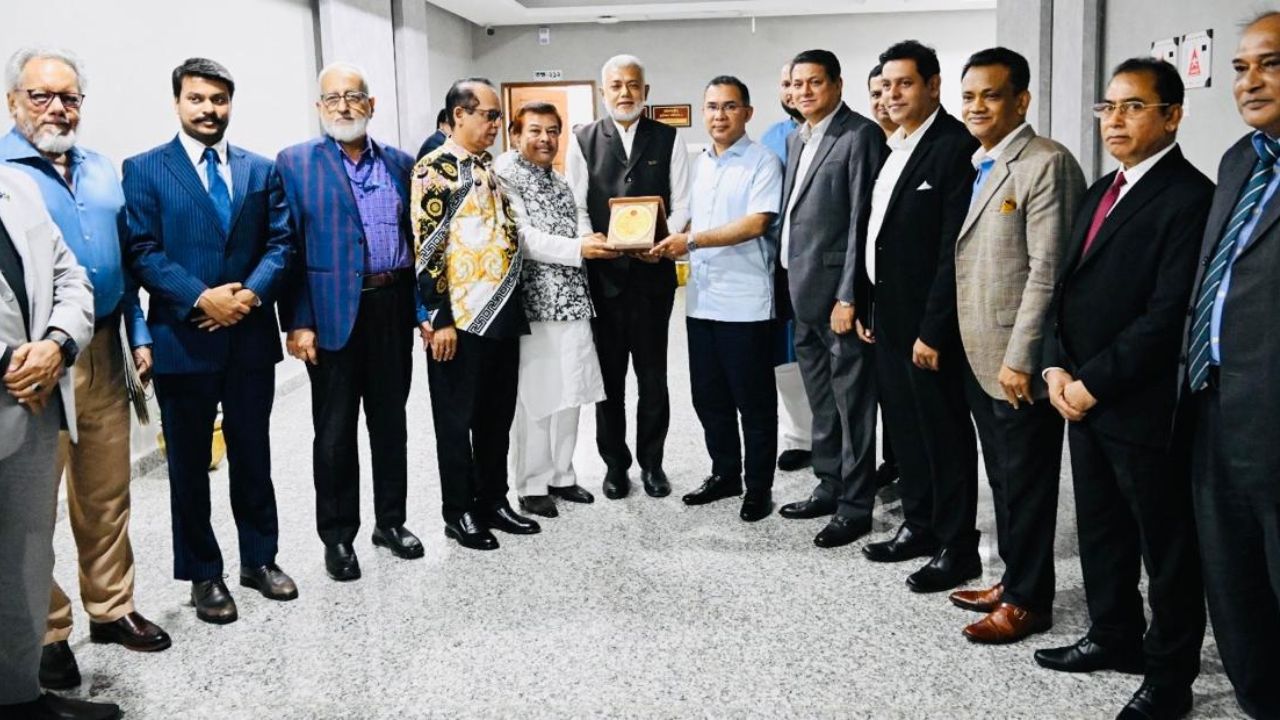
REHAB President Ali Afzal presented these recommendations during a courtesy meeting with Prime Minister Tarique Rahman at the Cabinet Division of the Bangladesh Secretariat on Wednesday, reads a press release.

The meeting was also attended by Housing and Public Works Minister Zakaria Taher Sumon, Mostafizur Rahman Bhuiyan (Dipu), MP, and other senior leaders of the association.

During the meeting, Ali highlighted REHAB’s role as the country’s only government-recognised trade body for the housing sector, serving as a development partner for over 35 years.
He emphasised that the housing sector is a critical driver of the national economy, contributing 15 per cent to the GDP and providing employment for 50 lakh people.
Additionally, more than 300 linkage industries, including steel, cement, and ceramics, are sustained by this sector.
The six-point proposal presented to the Prime Minister includes:
- National land zoning policy: REHAB called for a policy to ensure maximum land use by considering population and housing needs through the year 2100. This includes scientifically classifying land into agricultural, forest, residential, and industrial zones to prevent unregulated usage and protect agricultural land. The proposal also suggested updating the Detailed Area Plan (DAP) and construction regulations to encourage vertical urbanisation.
- PPP-based housing for low-income groups: The association recommended Public-Private Partnership (PPP) programs to build affordable flats for low and lower-middle-income citizens, combining government land and policy support with private sector investment and expertise.
- Single-digit interest housing loans: To help the middle class achieve homeownership, REHAB requested a special long-term housing loan scheme with single-digit interest rates and simplified conditions.
- Rationalisation of registration costs and taxes: Noting that Bangladesh has the highest registration costs in Asia, REHAB urged the government to reduce these costs to 5 per cent, similar to Malaysia and Thailand. They argued that realistic and digitalised tax structures would increase government revenue and reduce the prevalence of undisclosed money.
- Withdrawal of 15% capital gains tax: The proposal requested the withdrawal of the 15 per cent capital gains tax imposed on landowners for flat construction, stating it creates an undue burden on the public and inflates housing costs.
- Digitalisation of approval processes: To eliminate bureaucratic delays and ensure transparency, the association proposed the full digitalisation of building plan approvals and registration processes.
Ali expressed REHAB’s commitment to remaining a responsible partner in the country’s development journey and hoped that implementing these proposals would make middle-class housing dreams more attainable.
In response, Tarique described the housing industry as a key pillar of the national economy and stressed the importance of a transparent, accountable, and corruption-free investment environment.
He emphasised that urbanisation should be decentralised across the country rather than being focused solely on Dhaka, while prioritising the protection of agricultural land.
Tarique said that he does not want the government or RAJUK to operate housing businesses directly; instead, he believes PPP-based programmes are essential for ensuring affordable housing for the public.
He assured the REHAB delegation that their logical demands would be considered positively.
The delegation included REHAB Vice President Abu Khalid Md Barkatullah, Vice President (Finance) Md Harun Or Rashid, and top executives from major firms including Eastern Housing Limited, United Group, Rupayan Group, Amin Mohammad Group, US-Bangla Assets Limited, Swadesh Properties Limited, and Century Group.


