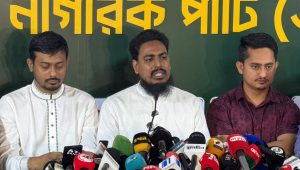
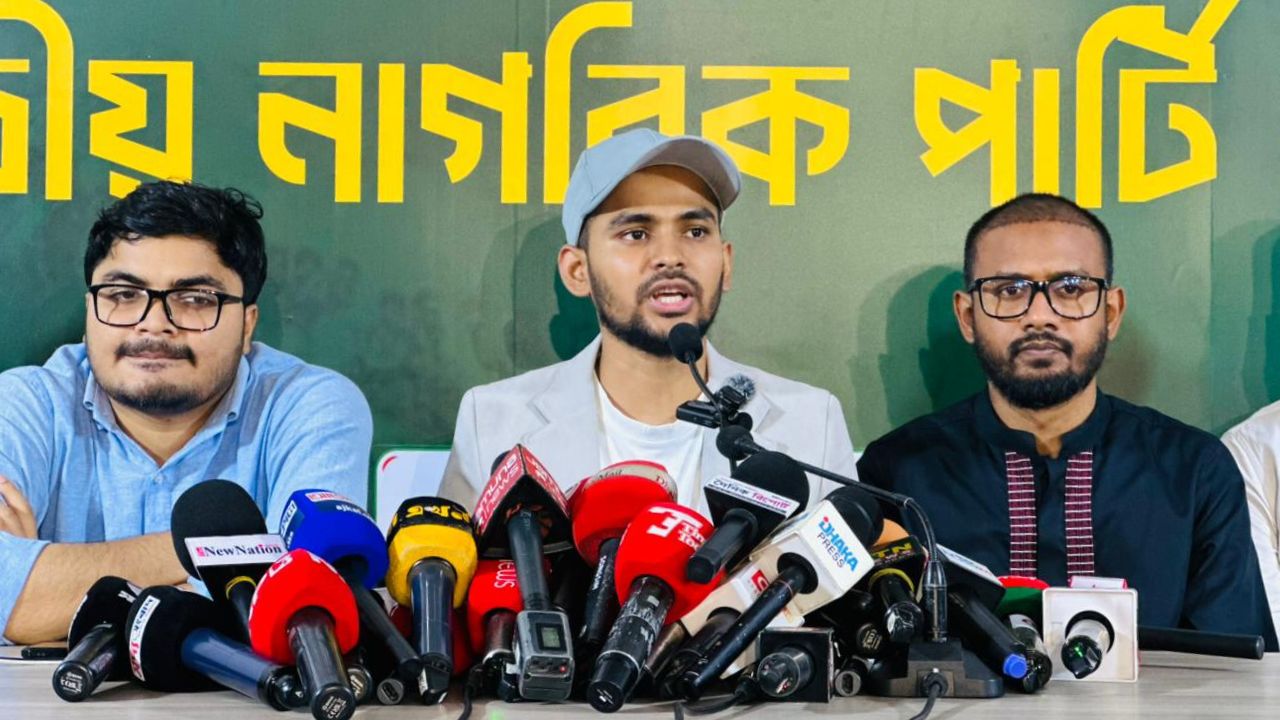
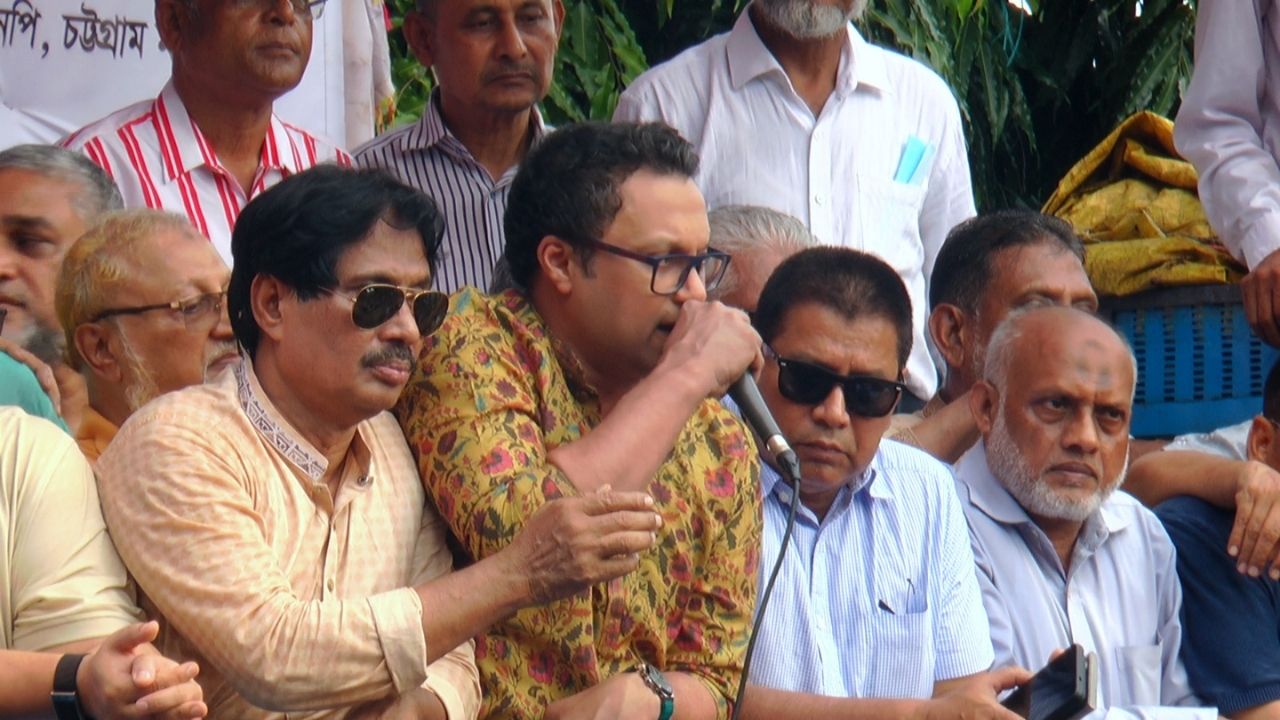
National Citizen Party (NCP) Chief Coordinator Nasiruddin Patwary has alleged that the BNP and several other political parties are obstructing efforts to give the ‘July Charter’ a legal foundation.
Calling on all political parties to remain committed to democratic principles, NCP leader Patwary urged them to stand together in building what he described as a “new state.”
“Come forward, together we will build a new Bangladesh. We will form a new parliament where there will be no existence of Awami League and Jatiya Party,” he said.

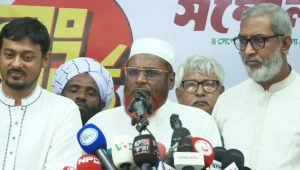
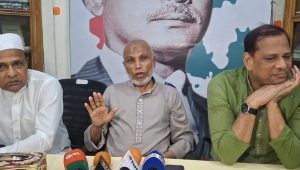
He made these remarks on Saturday morning at a dialogue titled “Mazar culture: Violence, crisis, and future prospects” held at BM Bhaban in Segunbagicha, Dhaka.
The event was organised by Maqam, a sufi-oriented platform. Information and Broadcasting Affairs Adviser Mahfuz Alam attended the dialogue as the chief guest.
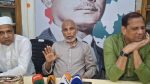
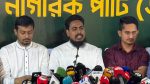
Patwary said an NCP delegation had met with the National Consensus Commission earlier in the day to demand legal recognition and an ordinance for the July Charter. He urged the public to ensure that none of Sheikh Hasina’s “close associates or allies” sign the charter. He also emphasised that Nobel laureate Muhammad Yunus should be one of its signatories.
Patwary said, “The current government has been formed “over the sacrifice of the people.” He therefore urged the authorities to take the “risk,” if necessary, to present the ordinance and legal framework of the July Charter transparently before the nation.
He also appealed to political parties to find a solution through dialogue and to ensure a free and fair election as a step toward democratic transition. “If the implementation of the charter is obstructed, the election process will be harmed,” he warned. “And if the election is disrupted, Bangladesh will face a severe crisis.”
Patwary further noted that among the new generation of Islamic scholars, many engaged in politics, economics, and business are attempting to unite on a common platform. He expressed hope that violent street politics, vandalism, and other “uncivilised activities” would no longer occur in the country.
As part of broader social reforms, he also proposed forming a commission to oversee matters related to mazar and khanqah (Sufi shrines).