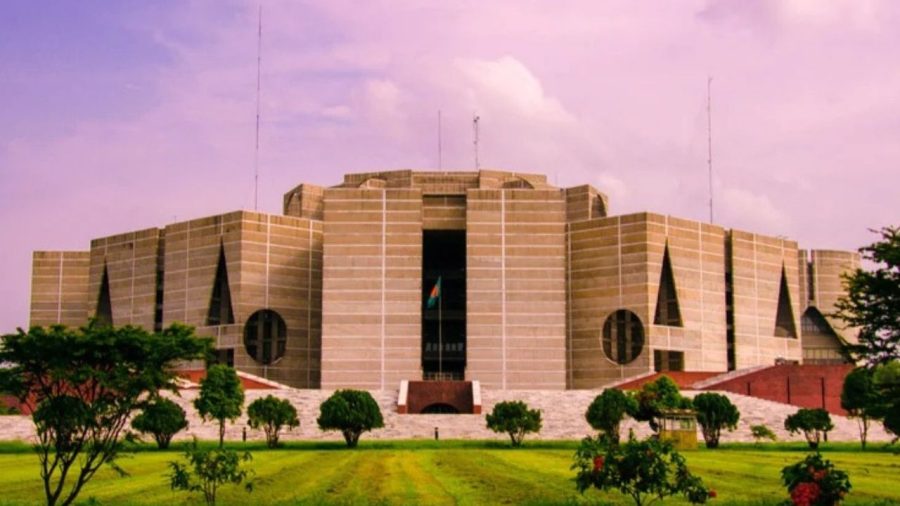



Whether financial power is now winning the chance to represent people in Parliament, one of the fundamental questions with regard to the future of democracy in Bangladesh is: Do regular people, especially those with limited economic means, have a fair chance of accessing politics and their voice in national decision-making? Parliament should not become an exclusive club for the rich nor a financial institution where money outweighs political experience, public faith and patriotism to serve the public. A trusted democratic system of representation is threatened by the increasing role played by rich and influential people in electoral politics.
It is the principal duty to represent the interests of people from every spectrum of society, like farmers, workers, small business people, women, youth and marginalised groups. Integrity, political experience, and knowledge of public interest and desire to serve the public should be the main determining factors for political leadership, not money. Indeed, wealthy people shouldn’t be put off taking part in politics. They should have all democratic rights to oppose the elections and participate in the nation’s development.
The worry is that wealth is becoming a central and critical component in determining party nominations and winning elections, instead of political savvy, grassroots ties and a sense of what people need. Representative democracy becomes impotent when personal wealth trumps its duty to serve the people. Rising expenses of electoral politics is one reason for this development. There’s a strong need for money when it comes to campaign publicity, campaign transportation, campaign communication, public meetings and voter outreach.
There is a natural benefit to candidates who have their own considerable financial resources, or connections, or who are closely involved with wealthy financial networks. With a concern for election victory and campaign finances, political parties may therefore be more inclined to endorse candidates with financial resources rather than those with broader grassroots connections or more political experience or knowledge of local issues, even if they are more deserving of the endorsement.

There is an important question here about the role of political parties regarding the parties’ choice of candidates: are they actually chosen because they can win the public confidence and appear comprehensible to the voters or because they can raise funds for their election campaigns and help fund the party’s operations? As financial contributions come to play a growing part in nominations, political representation may become an exclusive right of a narrow segment of society.
So, it is time for political parties to rethink their funding structures and minimise the influence of too many big donors and business interests. This could also be done with the help of thousands of individuals, if they can be mobilised to contribute to the building of financial support. Not only would it benefit the financing of political activity, but also bolster public ownership, transparency and accountability. There are lessons to be learned from other democracies. Small donations are a significant part of the sources of campaign money for some candidates in the United States. The UK and some European countries have implemented various public funding, membership payments and campaign finance rules.
Members of the grassroots are generally better informed about these issues as they are more likely to be in daily contact with their communities, and to deal with issues firsthand. They are aware of the need for road repairs, the lack of facilities in schools, the impact of poor health services in the family and the lack of employment and poverty on livelihoods.



They are also aware of the impact of environmental degradation, floods and erosion from the rivers and other environmental issues due to climate change on vulnerable communities. This is vital to develop a link between local realities and national development priorities. For Parliament to serve the people, it must have members who can suspend the language and spaces of the people and make the concerns of those people into policies, priority funding and development programmes.
National-level policymaking could not be more distant from the needs of the ordinary people if there were no appropriate representation at the grassroots level. Meanwhile, with commercial interests in a dominant position, questions have arisen about any potential conflict of interest between corporate interests and public duties in Parliament. But business knowledge and business experience can play a part in the process of policymaking and economic development. But if private interests come into contact with legislation and taxation, public procurement, investment decisions or regulatory policies, transparency, accountability and effective safeguards are a must.
The business of government must be directed at the public good, and not be a means to a private commercial end. A further impact of political competition from the rich is also to deter talented and young individuals from entering politics. Limited financial resources combined with integrity and public service experience may cause individuals’ motivation to gradually wane if they feel that political opportunities are granted mostly to those with money and influence.


This may over time affect the political space, the renewal of leadership and the diversity of voices in Parliament. Not only political parties, but also democratic development in the country would be impacted. The issue is of special concern to political parties. Selection of candidates should not be a contest for who has the most money or can give more money for party activities. Rather, candidates’ public service experience, political know-how, integrity, involvement in grassroots activities, and an understanding of communities and the ability to represent constituents should be considered. The role of the media and civil society is also significant. They can investigate and scrutinise candidates’ resumes, track their service to the public, review their financial affairs and financial ties and relationships with their communities, informing voters. Increased transparency of candidates and political finance can help to enhance democracy’s accountability.
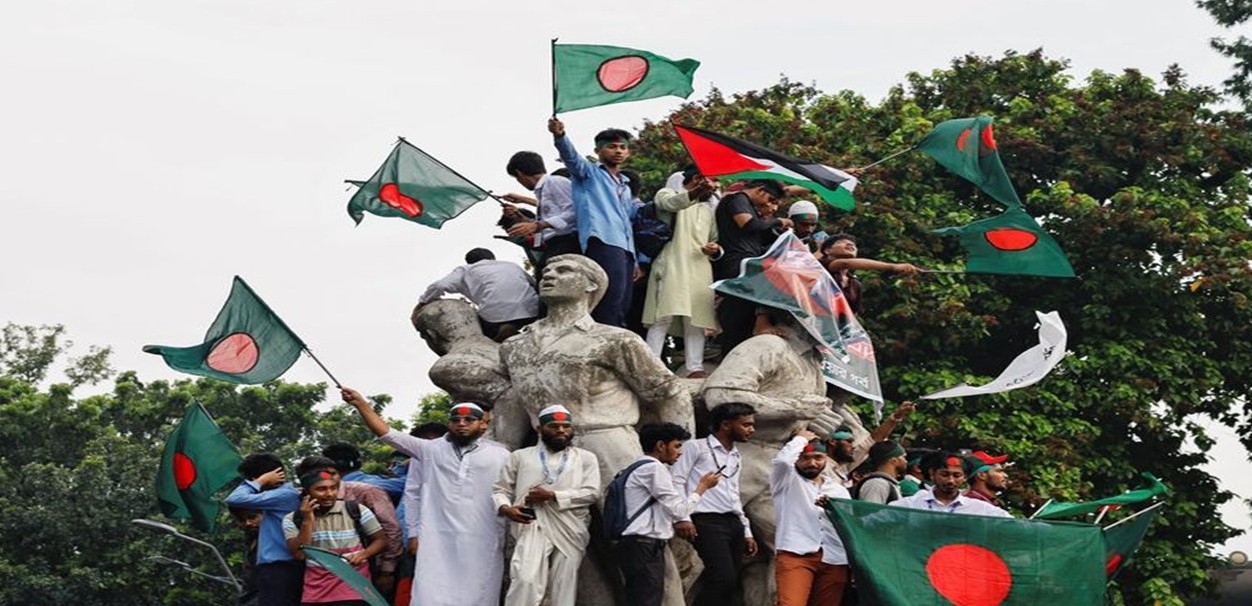
Grassroots movements, collective struggle and popular participation of people belonging to different economic and social groups have created a political history in Bangladesh. The ordinary people have also participated with great involvement in the country’s movements and its democratic aspirations. This tradition should not be undermined by the growing importance of financial means in the selection of political leaders.
Parliament must connect with the people and be attuned to real life. It certainly isn’t to rule out rich people from politics, or automatically give preference to candidates based on their family’s income. Instead, it is important to create a level playing field for political action and for those who would like to lead to be able to do so or even get nominated. Political parties should understand that if they are capable of funding their election campaigns, that does not necessarily mean that they are capable of serving a country. Finally, as the people’s Parliament, it should be the people’s choice, rather than that of any economic or social class.
Bangladesh requires representatives who are aware of the people’s difficulties, are well connected with the community, and can make an impact on people’s concerns through development initiatives and policies. True parliamentarian value should not be the size of his/her wallet; it should be integrity, commitment and dedication in which he/she represents the people and serves the country.
The views expressed in this article are solely those of the author
The writer is the Editor and CEO, News Network