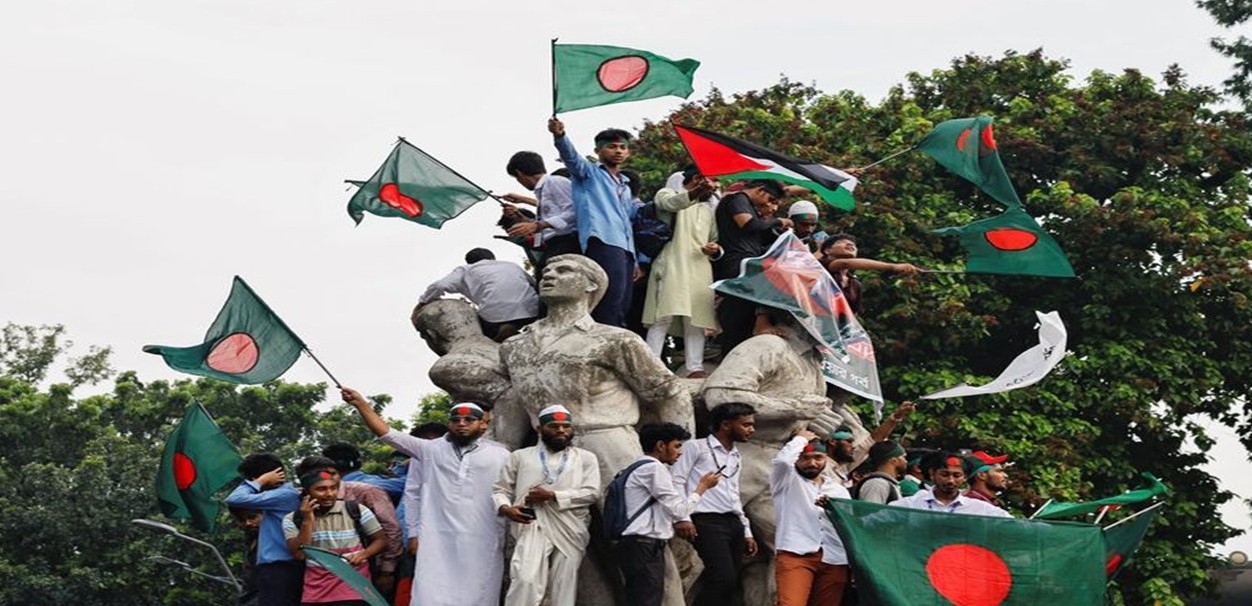



Democracy is challenged in situations of political violence, demands for fairness, and decisions by governments to prioritise political pragmatism or constitutional requirements. Currently, Bangladesh faces this challenge. Following the events of July and August 2024, and new political violence, lack of trust in politics and uncertainty within the country, the process of democratisation in Bangladesh is being challenged.
The July Revolution reflected the desire of this generation for equal opportunities, freedom from oppression and the end of political dictatorship. Initially sparked by student protests against quotas in public sector employment, this movement opposed the authoritarian rule of the government. Due to the actions of students and members of the public, extremely high expectations for fair treatment and democracy increased. However, we are now facing a negative reality. Can Bangladesh move from being a sacrifice in revolution to democracy? Or will further political instability persist?
The indicators are indeed disturbing. The unrest came along with a nationwide shutdown declared by Sheikh Hasina’s supporters. Border Guard forces were sent to the districts that faced problems. The ancestral house of Muhammad Yunus was set ablaze, following Hasina’s announcement that she would return from India, where she is currently in exile, despite the government’s refusal to issue her travel documents. Hasina’s return intensified conflicts over responsibility for the 2024 unrest, political involvement, the judicial process, and Bangladesh-India relations.
In addition to political tension, garment workers are protesting low wages and high living costs. This issue is purely economic; however, it shows how societal frustrations combined with political uncertainty can cause problems.
The Human Rights Support Society reports that, from January to September 2026, Bangladesh suffered 1,013 cases of political violence, claiming the lives of 73 people and wounding 6,473 others. In its October monitoring alone, 70 such incidents caused 12 deaths and 334 injuries. This type of political violence is not only costly for companies but also creates an environment of distrust that deters foreign investment. Essentially, it raises the question of whether political competition can exist without threats and intimidation. Political change will not have any legitimacy if citizens are subjected to violence repeatedly.

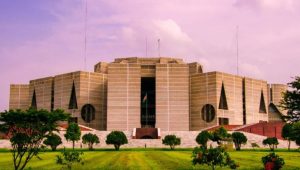
As a result of renewed political instability in Bangladesh, the aspirations of 2024 have been revived. This highlights that changing the government and political system in Bangladesh are very distinct. Following the parliamentary elections in February 2026, discussion surrounding constitutional responsibility and democratic governance has centred around the July Charter and institutional changes. While international observers determined that the elections were fair and competitive, issues did arise, including political violence and the exclusion of the Awami League.
However, elections alone can hardly provide for a democratic renewal. The renaissance of July should be seen as a reevaluation of unfinished promises, not as confirmation that each contemporary protest expresses a unified revolutionary movement. The interests of students, workers, political parties, and civil society groups vary, but they share a common concern for justice, equality of opportunity, institutional integrity, and citizens’ security.
Democracy for the generation that stood up to oppression in 2024 means more than a change in political elites; it means meritocratic employment, academic freedom, judicial impartiality, and participation in national policymaking. The revolution’s true value lies not in a dramatic shift in political power relations but in a deeper transformation of the relationship between citizens and the state.



The political history of Bangladesh has shown that partisan policing poses dangers such as the use of arbitrary arrests, selective prosecutions, disproportionate force, and intimidation for political ends. Human Rights Watch has criticised Bangladesh for arbitrary detention and broadly phrased criminal complaints after the 2024 political transition.
Effective reform requires investigating abuses, improving training, strengthening disciplinary mechanisms, and preventing political interference. Security forces must clearly distinguish lawful political activity from crime. Political affiliation cannot be grounds for prosecution, just as opposition activity does not warrant violence. A strong democracy shows its strength by maintaining order under the law without neglecting justice.
Political violence in Bangladesh does not just affect safety. It discourages political participation by citizens, prevents independent journalism, hinders economic processes, and causes people to become fearful of democratic discussion. All citizens, regardless of political opinion, should be given freedom of speech, peaceful protest, religious freedom, and protection from political persecution. However, the freedoms listed above cannot be used as justification for arson, intimidation, violence against civilians, or other illegal actions. Those suspected of crimes must be proven guilty through thorough investigations and fair legal processes in court.


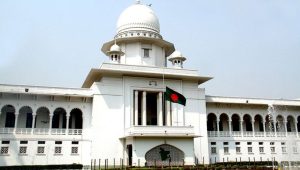
Justice in relation to all killings and violations that occurred during the July uprisings is important. Victims and their relatives must receive justice, while the accused must have fair trials and judicial independence. Justice cannot be political vengeance.
Both the government and opposition must make great efforts to prevent violence and uphold democratic institutions. Independent media, universities, professional bodies and civil society groups must contribute to encourage discussion and learning. To be credible, democratic structures must protect everyone and punish everyone equally.
To make Bangladesh a democratic country in the future, economic and social issues causing frustration amongst the public must be addressed. Graduates need job opportunities and assurance that merit will be prioritised over politics. Garment workers should be fairly paid and in appropriate conditions. Entrepreneurs need clear guidelines, and ordinary people need to be safe from economic risks such as inflation. While security measures and fair elections are important for political stability in Bangladesh, public sector responsiveness, economic opportunities, efficient services, and assurance that complaints will be resolved peacefully are also vital. As a result of the loss of confidence in current structures, the July uprising occurred. Therefore, the key takeaway from this event is preventative. Legitimate issues must be addressed before they lead to conflict. Therefore, we must move forward from dominating and revengeful political systems to political systems focused on constitutional responsibility and service.
The July rebellion showed the result of losing confidence in existing structures. The main conclusion from the event, then, is preventive and concerns the necessity to address legitimate grievances before they escalate to conflict. The task, thus, is to leave behind politics of domination and revenge in favour of politics of constitutional duty and service.
The violence in November 2026 demonstrates the instability of politics in Bangladesh. The hopes from July 2024 have not yet been fulfilled. Further intimidation, biased justice and political revenge should not be associated with July. To respect the significance of July, institutions must be put in place to respect all citizens, protect their constitutional rights, and resolve political issues peacefully.
Ultimately, whether the July Revolution results in a positive change for Bangladesh depends on whether citizens are protected by the state. While revolutions can change governments, only fair treatment, legitimacy and accountability in a country can create change.
The views expressed in this article are solely those of the author
The writer is the Professor and Former Chair, Department of Journalism and Mass Communications, Savannah State University. Email: [email protected]