
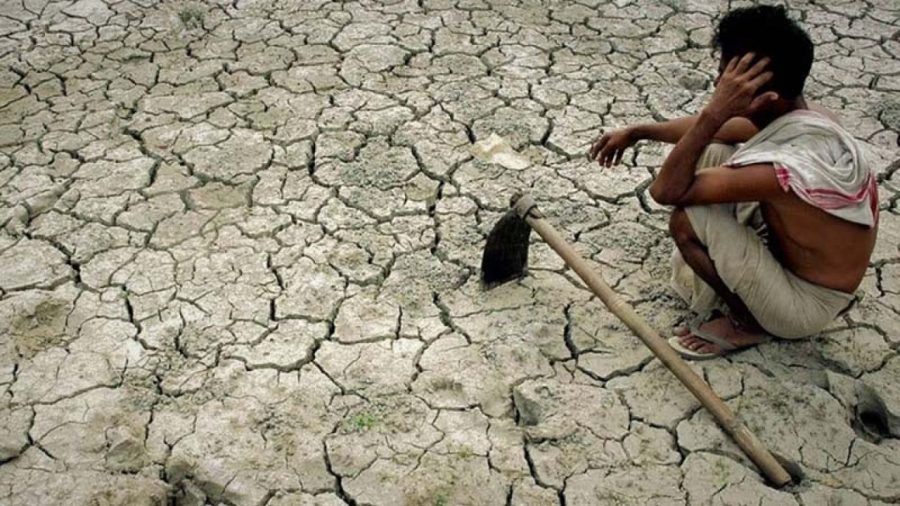



Climate finance supports urgent adaptation, disaster risk reduction, and green economic transitions, drawing significant attention among the various stakeholders since the adoption of the Paris Agreement in December 2015. The agreement seeks to limit global average temperatures to below 2° C above pre-industrial levels. It includes the funding of public and private investments for the mitigation of and adaptation to climate change. More broadly, climate finance also investigates the awareness and attitudes of investors toward climate change risks, the effects of these risks on their investment decisions, and the pricing and hedging of climate change risks in financial markets.
On the other hand, climate resilience can be defined as ‘capacity of social, economic and ecosystems to cope with a hazardous event or trend or disturbance’. Climate resilience can be seen in people being able to recover from extreme weather events including cyclones, extreme erosion, rising sea levels, tidal surges and displacement of people. Climate resilience within communities and ecosystems can be increased through various methods to allow systems to function under external pressures. In example, constructing a sea wall could allow a coastal community to continue functioning in the manner in which they did before.
Increasing climate resilience means reducing the climate vulnerability of people, communities and countries. This can be done in many ways. It can be technological and infrastructural changes or policy. There are social and community approaches, as well as nature-based ones, for example, by restoring ecosystems like forests to act as natural barriers against climate impacts.
Although Bangladesh contributes less than 0.5% of global greenhouse gasses, the cost of climate impacts amounts to over USD7 Billion each year. Within the FY2026-27 budget, Tk38,906 crore has been allocated to climate adaptation across different ministries. The Bangladesh Climate Change Trust Fund (BCCTF), established under the Climate Change Trust Act of 2010, channels national revenue into resilience projects within the country. Despite billions being committed to climate change issues at climate summits, it is critical to determine whether this is providing sustainable protection for coastal communities.

Billions are pledged at climate summits, but for our coastal communities, the million-dollar question is whether those commitments deliver lasting protection along the vast coastline. Coastal districts face mounting pressure from rising sea levels, saline water intrusion, riverbank erosion and increasingly disastrous events like cyclones and inundations. These threats evict the inhabitants near coastal areas and affect agriculture, fisheries, drinking water supplies and rural employment in an unprecedented way. As salinity spreads, farmers struggle to maintain productivity, while households increasingly depend on rainwater harvesting and other alternative sources of freshwater. For families with limited savings, even a single disaster can undermine years of economic progress.
These realities give particular significance to the participation of our Prime Minister in the COP31 High-Level Segment on November 12, in Antalya, Türkiye. The address demonstrates a fundamental shift in international climate finance, arguing that vulnerable countries need grants rather than additional loans. It also outlined five proposals: allocating at least 50 percent of international climate finance to adaptation, introducing debt-relief mechanisms, ensuring fair access to climate-friendly technologies, accelerating renewable energy development, and adopting the proposed Belém-Antalya Action Mechanism for a just transition.


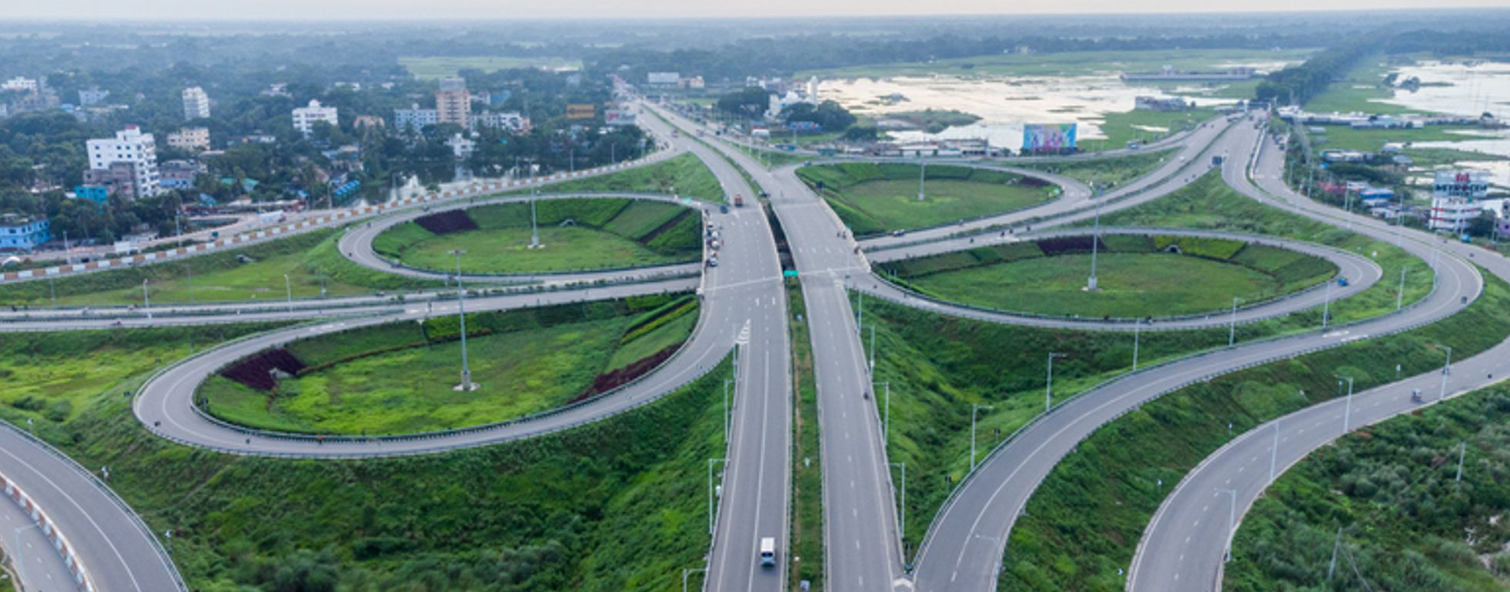

The demand for grant-based financing reflects a fundamental question of climate justice. Countries that have contributed relatively little to global emissions should not have to accumulate substantial debt to protect their populations from climate-related damage. Loans may support infrastructure and energy investment, but excessive reliance on borrowing can place additional pressure on public finances and limit resources available for other development priorities.
However, international finance alone cannot guarantee effective climate resilience. It requires well-thought-out planning regarding how much climate finance flows, where it comes from, where it flows to, and how it is being delivered. At the same time, successful implementation of various projects, sound environmental assessments and institutional accountability are equally important for lasting impact across Bangladesh’s coast. In addition to that, infrastructure investment and distribution of climate funds to climate victims must be accompanied by effective supervision, appropriate engineering and regular maintenance and follow-up. Otherwise, projects intended to reduce vulnerability may provide only temporary protection while leaving communities exposed to further losses.
Coastal communities need access to salt-tolerant crop varieties, improved irrigation, and climate-resilient agricultural practices. Households require affordable rainwater harvesting systems and dependable drinking water supplies. Small businesses need accessible credit, while vulnerable families would benefit from emergency cash assistance and affordable insurance. These measures can help communities recover without falling into deeper financial hardship after each disaster.

Whether Bangladesh has successfully improved climate resilience should not be measured by how much money is committed to climate change issues. It should be determined by whether vulnerable communities can be reliably protected, clean water can be accessed, and livelihoods can sustain increasingly extreme climate shocks. In coastal areas, whether families suffer from the next cyclone or riverbank erosion will be a much more pressing concern than any diplomatic statement. Our coastal communities in Bangladesh no longer need promises. They need long-lasting protection for future generations.
The views expressed in this article are solely those of the author
The writer is the Treasurer, Gopalganj Science and Technology University. Email: [email protected]