




Hundreds of senior civil servants in Bangladesh are drawing full salaries and benefits despite having little or no assigned duties, raising concerns about public spending, administrative efficiency, and political influence within the government.
According to data from the Ministry of Public Administration and estimates by officials, around 700 officers – from secretaries to deputy secretaries – are currently designated as Officers on Special Duty (OSD) or placed on attachment. Many of them reportedly attend the ministry only to sign an attendance register, often once a week, without being assigned any meaningful work.
The government is estimated to be spending nearly Tk10 crore per month to cover their salaries, allowances, and other benefits.
The situation dates back to the political transition following the mass uprising on 5 August 2024, which led to the fall of the Awami League government. The interim administration subsequently reassigned a number of officials to OSD status, particularly those who had served as returning officers or deputy commissioners during the 2018 and 2024 national elections, both of which were widely criticised by opposition groups.
On 19 February 2025, six separate government notifications placed 33 officials of joint secretary rank and equivalent positions on OSD status. Since then, the number of such officials has increased over time.
The BNP government led by Tarique Rahman also made officials OSD or placed on attachment, including seven secretaries.
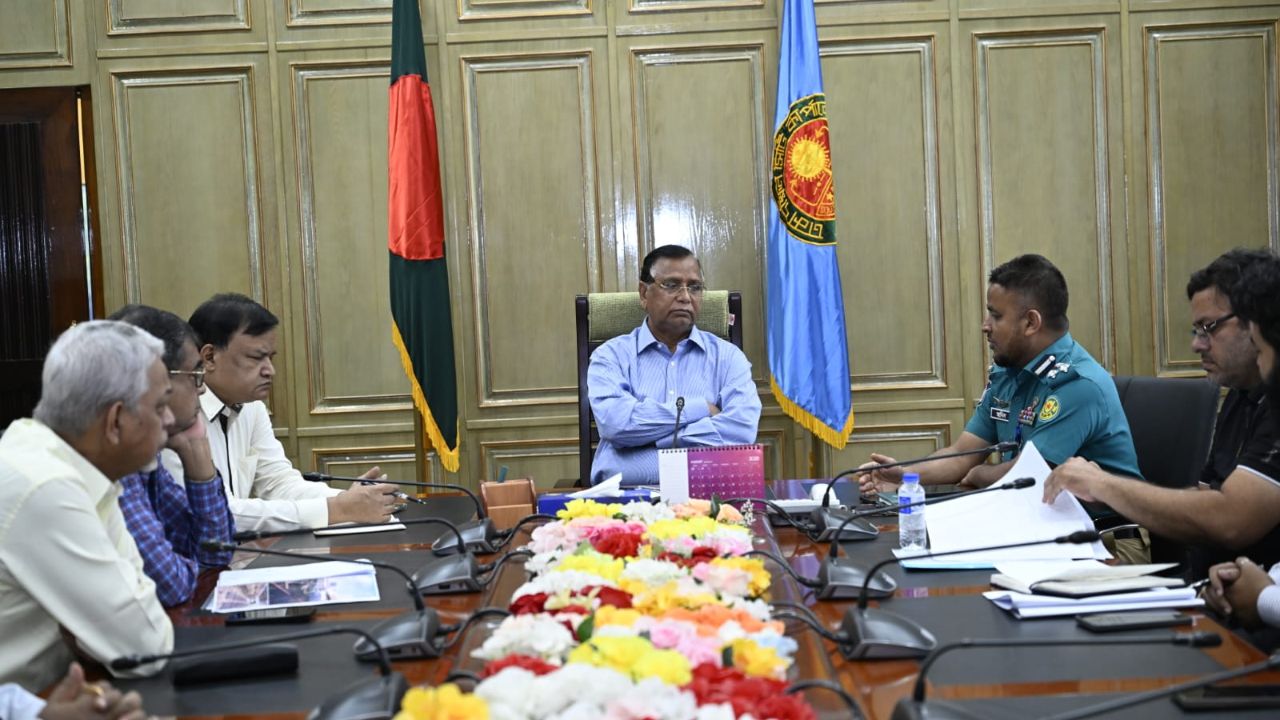
Officials placed as OSD or on attachment are required to report to the Ministry of Public Administration, where they sign an attendance register kept in the ministry library. Beyond that, many say they are given no defined responsibilities.
Breakdowns provided by ministry sources indicate that seven secretary-level officials cost approximately Tk17.5 lakh per month in total. A further 127 additional secretaries cost around Tk1.97 crore monthly. Some 246 joint secretaries account for roughly Tk3.44 crore, while 313 deputy secretaries cost about Tk4.22 crore each month.
Combined, these figures approach Tk10 crore in monthly expenditure.
Public administration analysts say the government faces a difficult balancing act.
Retired secretary AKM Abdul Awal told TIMES of Bangladesh that the authorities appear unable either to fully trust or remove the officials.
“The government cannot bring them into confidence, nor can it dismiss them. This is not a problem that can be resolved quickly,” he said, adding that the situation reflects broader disorder within the civil administration.
Professor Sadik Hasan of Dhaka University’s Public Administration Department told TIMES political considerations often influence such administrative decisions.
“Keeping officials idle while paying full benefits is a misuse of state resources,” he said. “Officials should be evaluated based on performance, not perceived political alignment.”
He added that successive governments tend to distrust officials who served under previous administrations instead of reassigning them through a structured and objective process.
State Minister for Public Administration Abdul Bari rejected claims that as many as 700 officials are currently on OSD or attachment.
“That is impossible. The website may not have been updated,” he told TIMES.
He described OSD and attachment postings as routine administrative practices required for personnel management and insisted that there is no political motive behind such decisions.
While many officials remain without duties, others in key departments are reportedly handling multiple responsibilities.
At the Cabinet Division, several officials are managing two or more sections simultaneously. In one case, a senior assistant secretary is said to be performing the work of three positions, overseeing administration, complaint management, and medical assistance coordination.
This imbalance has raised concerns about inefficient allocation of human resources within the government.
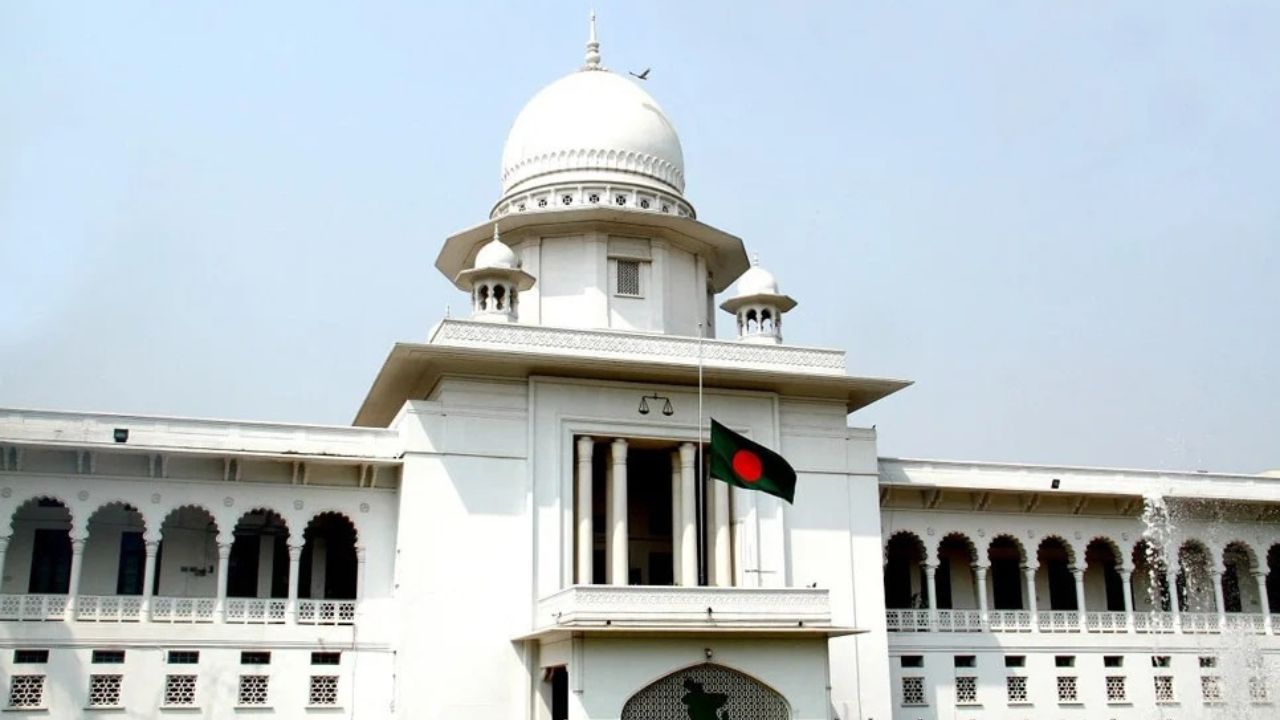
A 2020 High Court ruling stated that no government official should remain on OSD status for more than 150 days. The court upheld the government’s authority to assign OSD status but ruled that prolonged placement beyond this period is unlawful.
However, many officials placed on OSD in February 2025 have now remained in that position for over a year, raising questions about compliance with the ruling.
Beyond administrative and financial concerns, affected officials describe significant psychological stress and social isolation.
Several officials, speaking on condition of anonymity, said they experience uncertainty about their careers and feel marginalised within the service.
“Most of my day is spent reading newspapers or watching television,” one joint secretary-level officer told TIMES. “We go, sign the register, and leave quietly. There is constant anxiety about the future.”
Officials also noted that entry into the civil service requires intense competition and merit, making prolonged inactivity particularly frustrating and demoralising.
Concerns about mental health intensified following the death of Mohammad Mostain Kabir, an additional director at Bangladesh Agricultural University, who died by suicide on 5 January 2025. Public discussion at the time linked his prolonged OSD status to stress and depression, although no official conclusion was announced.
The growing number of officials without assigned duties, combined with continued government expenditure, highlights a deeper administrative challenge. While the government maintains that such postings are routine, critics argue that they reflect structural inefficiencies and lingering political mistrust.
As the number of affected officials rises and legal questions remain unresolved, the issue continues to draw scrutiny for both its financial cost and its human consequences.


