



In a sudden policy reversal, the Nepalese government has rescinded its refusal to seek international search-and-rescue assistance, buckling under intense diplomatic pressure from foreign capitals anxious to locate their missing citizens following catastrophic flash floods.
Just a day after announcing that domestic rescue teams were fully equipped to manage the operations, the administration backtracked to authorise limited foreign expertise for complex tunnel operations, forensic examinations, and DNA analysis, reports Kathmandu Post.
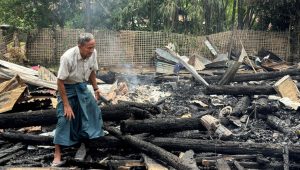
The massive deluge devastated communities along the Bhotekoshi and Trishuli rivers, leaving more than 550 dead by Friday and 977 people unaccounted for, including 517 foreign nationals representing 31 countries.
Data from the Nepal Tourism Board reveals that Indian citizens account for the highest number of missing at 178, followed by 65 Americans, 53 Ukrainians, 35 Australians, and 33 from the United Kingdom.

Acting on evaluations by the National Disaster Management Centre, an inter-ministerial co-ordination committee has cleared expert units and technical teams from India, China, Australia, and South Korea to assist with specialised tunnel rescues and forensic tasks.
However, Kathmandu has rejected offers from several other nations that proposed sending specialist personnel alongside relief materials.
Embassy officials from at least two countries with dozens of missing citizens expressed frustration, stating that their offers to aid the search operations had gone unheeded for three days with no tangible progress made in tracing their nationals.




Diplomatic engagement on the crisis has intensified, with Indian External Affairs Minister S Jaishankar holding discussions with his Nepalese counterpart, Shisir Khanal, on Friday morning.
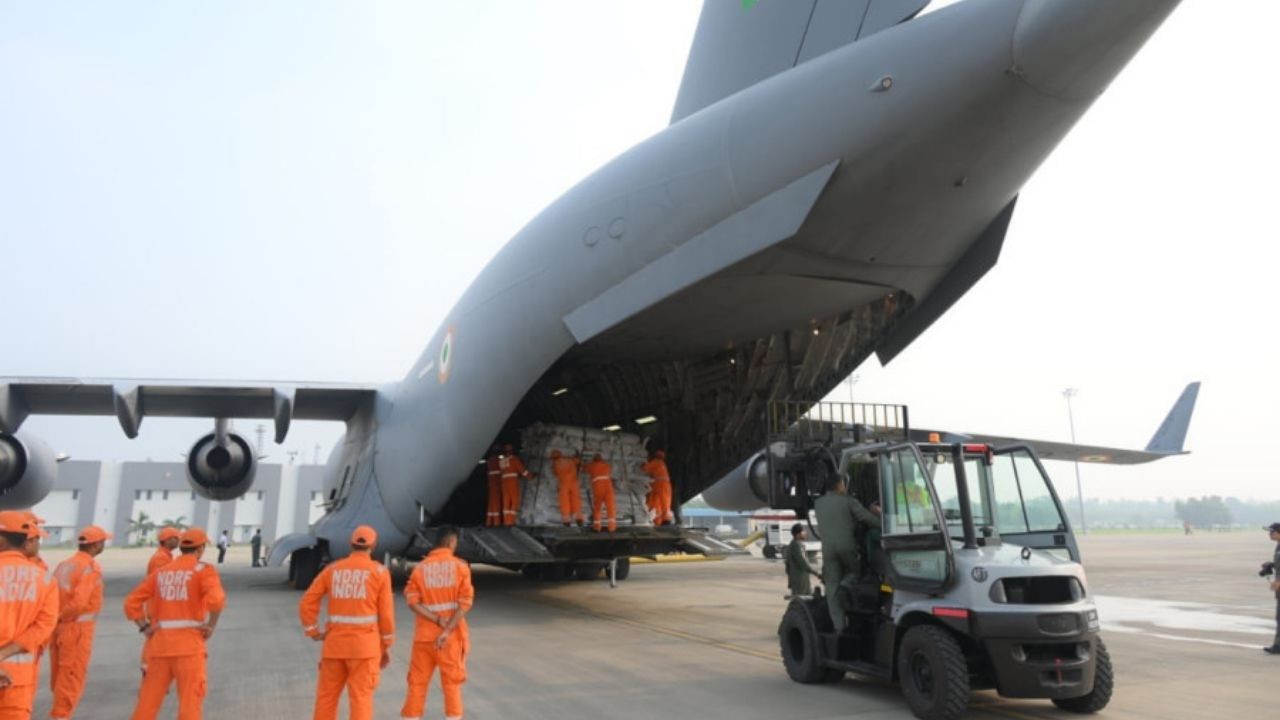
Alongside India’s fourth shipment of relief aid, New Delhi has dispatched an 11-member contingent consisting of medical doctors, paramedics, and tunnel rescue specialists.
Meanwhile, South Korean Foreign Minister Cho Hyun requested co-operation on Thursday from Khanal to ensure the smooth operation of a Prompt Response Team already deployed to the affected region, as Seoul prepares to send the Korea Disaster Relief Team (KDRT) to search for nine missing South Korean nationals.
The foreign specialist teams will be deployed to assist with complex rescue operations inside flooded hydropower tunnels across Rasuwa and Nuwakot districts, where Wednesday’s flood damaged 14 power projects.
The crisis remains acute: 76 workers from Andritz Hydro are missing at the under-construction 216 MW Upper Trishuli-1 site, 51 are out of contact at the Rasuwagadhi project, and eight remain unaccounted for at the Mailung Khola powerhouse.
Moreover, contact has been lost with 60 people – comprising 25 staff and 35 labourers – trapped inside a tunnel at the Langtang Khola project.
At Trishuli-3B, 45 technicians and consultants are missing, and while the Nepalese Army has rescued some personnel at Trishuli-3A, 35 workers remain trapped inside the tunnel.
Given the limited local capacity for genetic profiling, international experts will also support DNA testing to accelerate the identification of bodies.
“We need to conduct DNA tests on a large number of samples,” Nepalese Foreign Minister Shisir Khanal stated, adding that foreign assistance will help ensure victims are identified quickly and returned to their families on time.