The National Board of Revenue (NBR) is planning to raise the tax deduction at source (TDS) on cash incentives for export sectors from 10 per cent to 20 per cent in the upcoming national budget for fiscal year 2026-27. The budget is scheduled to be placed in Parliament on 11 June.
TDS is a withholding tax deducted at the point of payment. In this case, it would be applied to cash incentives paid to exporters, meaning the government would retain a portion before funds reach the companies. NBR officials said doubling the TDS rate could significantly boost revenue collection from export incentives.
In the current fiscal year, the government has allocated Tk9,025 crore as cash incentives for 43 export sectors, including the jute industry. Officials estimate that if conditions and incentive rates remain unchanged in the next fiscal year, the higher TDS could generate an additional Tk900 crore in revenue.

Exporters, however, described the proposal as deeply disappointing. BGMEA Senior Vice President Inamul Haq Khan told TIMES of Bangladesh, “This initiative by the government is very disheartening. We had been demanding the withdrawal of the existing 10 per cent TDS on incentives for a long time. But now the government wants to increase it further. This is unfortunate.”
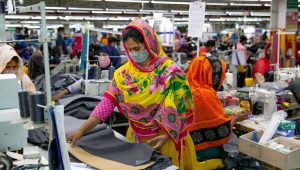
The timing is particularly sensitive. Readymade garments, which account for nearly 85 per cent of Bangladesh’s total export earnings, are facing declining orders and rising production costs. Exporters warned that hiking taxes on incentives at this juncture would increase financial pressure.




An NBR official defended the move, noting that corporate tax rates range from 22 to 27 per cent and can reach up to 45 per cent in some cases. “Comparatively, 10 per cent tax rate on export incentives is quite low. That is why we are considering raising the rate in this sector,” the official said.
BKMEA President Mohammad Hatem said the scheme risks undermining exports. “Incentive rates have been reduced over the past few years. For us, these incentives are now almost like charity. We had proposed abolishing the withholding tax on this money altogether. Raising taxes instead of reducing them is completely irrational. Garment exports are already declining and entrepreneurs are under enormous pressure. Increasing taxes now will only create further hardship.”
Exporters also highlighted procedural hurdles. Delays, audits, and compliance checks already complicate the release of incentive payments. Many companies face harassment while collecting funds. They warned that a 20 per cent TDS could erode the scheme’s benefits almost entirely.
Currently, incentive rates vary across sectors. All garment exports receive 0.30 per cent. Garments made from locally produced yarn qualify for 1.5 per cent. Small and medium exporters receive 2 per cent, while exports to non-traditional markets get 3 per cent. Leather and leather goods attract 6–10 per cent, and jute products 3–10 per cent.
Exporters demanded the withdrawal or reconsideration of the proposed TDS hike. They stressed that incentives are designed to support export competitiveness, not to create additional tax burdens. “If the government imposes this tax, the incentive scheme will lose its practical value and fail its purpose,” Hatem added.
Industry representatives said the move could demotivate exporters at a time when global demand is softening and domestic production costs are rising. They urged authorities to maintain support for the sector rather than eroding it through higher withholding taxes.