


The National Board of Revenue (NBR) has clarified that its withdrawal of bonded warehouse benefits for imported 10-30 count cotton yarn applies only to single-count yarn, narrowing the scope of restrictions that have raised concerns among garment exporters.
The clarification, issued on Thursday, leaves the original restrictions and subsequent exemptions unchanged, according to the revenue authority.
NBR withdrew the bond facility for imports of 10-30 count cotton yarn on 7 September but allowed genuine exporters to import the affected yarn against bank guarantees.
On 8 October, it amended the order to allow consignments covered by letters of credit opened or amended before 7 September to be cleared without bank guarantees.
The latest directive specifies that the restrictions refer to 10-30 single-count cotton yarn, rather than all types of yarn within that count range.

NBR Second Secretary for Customs, Export and Bond Kazi Raihanuj Jaman told TIMES that the earlier orders would remain in force.
The new directive only clarifies which type of yarn falls under the restrictions, he said.
The distinction matters to Bangladesh’s textile and garment industries, which have competing interests in yarn sourcing.




Domestic spinning mills want greater demand for locally produced yarn, while export-oriented garment manufacturers rely on competitively priced raw materials to maintain their position in international markets.
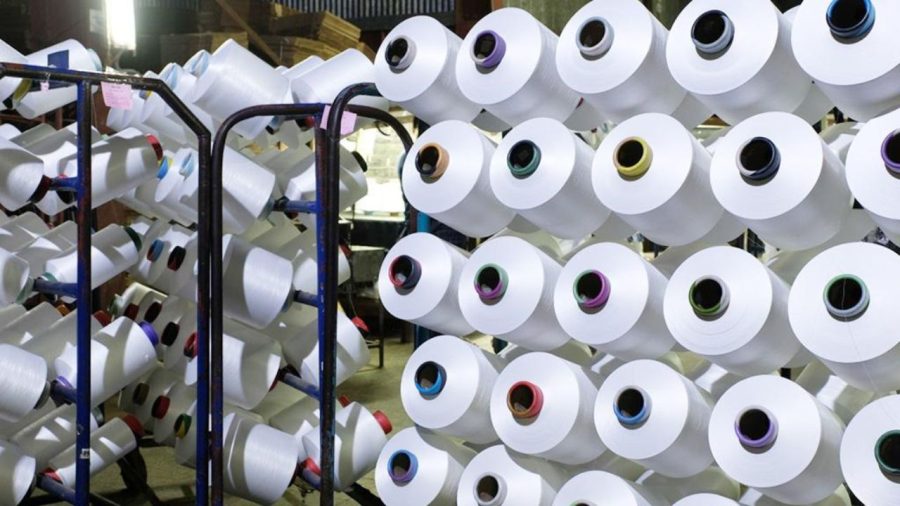
Yarn count measures thickness. Under the conventional cotton count system, a higher number indicates finer yarn, making 10-count yarn thicker than 30-count yarn.
Single yarn consists of one strand, while plied yarn is made by twisting two or more strands together. Thursday’s clarification identifies the single-count category as the subject of the restrictions.
Bonded warehouse facilities normally allow export-oriented manufacturers to import raw materials without paying applicable duties and taxes, provided they meet conditions governing their use.
The withdrawal means importers of the affected yarn must use the alternative arrangements permitted by NBR, including bank guarantees for eligible exporters. Such guarantees can increase financing requirements and import costs.
The Bangladesh Textile Mills Association has long argued that cheaper imported yarn puts domestic spinning mills under pressure, potentially reducing local sales and production.

It maintains that easy access to bonded imports can encourage garment manufacturers to source yarn overseas rather than from Bangladeshi mills.
Garment industry associations, including the Bangladesh Garment Manufacturers and Exporters Association and Bangladesh Knitwear Manufacturers and Exporters Association, have raised concerns about the restrictions.
They fear that bank guarantee requirements could increase financing costs and weaken the price competitiveness of Bangladesh’s apparel exports.
The clarification defines the yarn covered by the existing restrictions without changing the underlying policy.
The challenge remains balancing protection for domestic spinning mills with garment exporters’ need for affordable and reliable raw materials.