


Once known as a hub of jute industries, Sirajganj is now witnessing a debate over the future of the historic National Jute Mills, as the government’s decision to lease out a major portion of the idle industrial complex to Pran-RFL Group has raised questions over whether the facility will retain its jute identity.
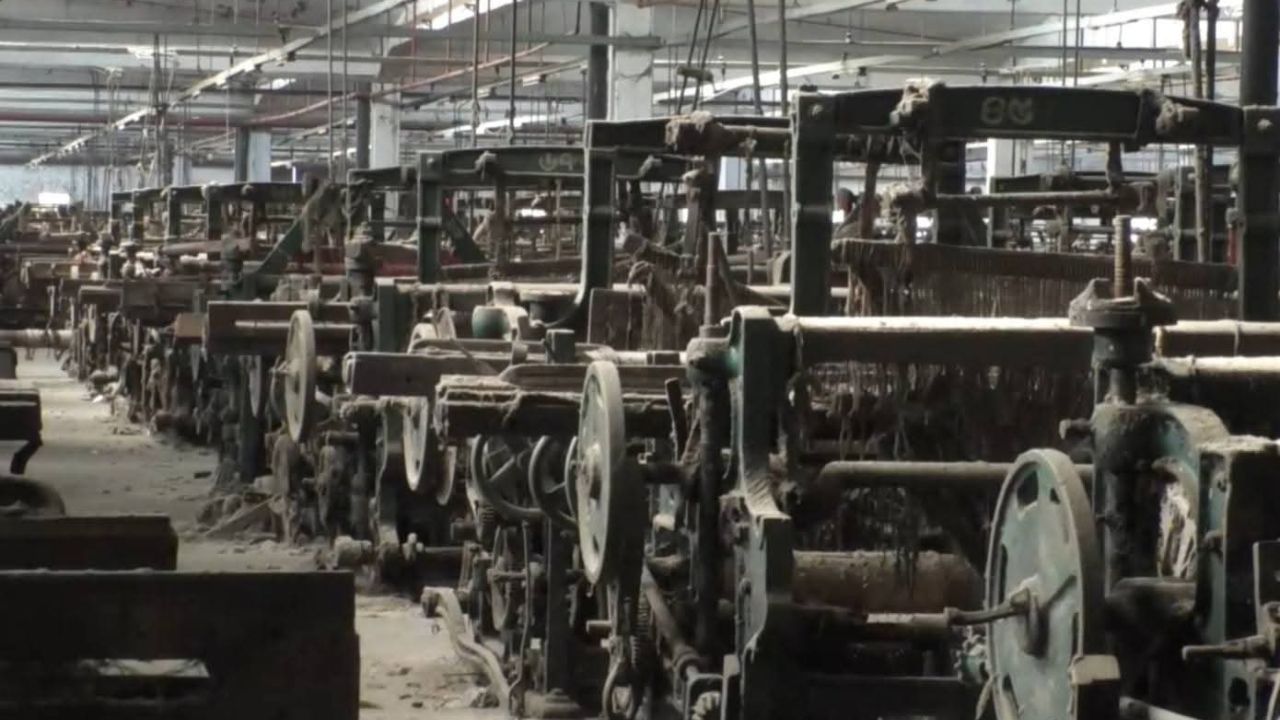
Spread over nearly 75 acres on the banks of the Jamuna River, the mill that once echoed with the sound of machinery and thousands of workers’ footsteps now stands largely silent. Although production has remained suspended for years, the government continues to spend around Tk65-70 lakh every month on salaries, security, electricity bills and administrative expenses to maintain the abandoned facility.
The expenditure continues while valuable machinery worth crores of taka remains exposed to decay, and many of the mill’s historic buildings and infrastructure have deteriorated over time.
Established in 1960, the National Jute Mills was once a profitable industrial unit. However, corruption, poor management and bureaucratic complications gradually pushed it into decline. The mill was first shut down in 2007 and briefly reopened in 2011 before permanently halting operations on 1 June 2020.

Later, private company Rashid Group took the mill on lease but withdrew within two years after failing to continue operations amid outstanding dues. Since then, the mill has remained inactive.
The government’s recent move to lease out more than half of the mill’s land to Pran-RFL Group has brought fresh hope of economic revival. The agreement is expected to create employment opportunities for around 5,000 people and provide a boost to the local economy.




However, the nature of the planned industrial activities has triggered debate among local residents, political leaders and jute industry supporters.
The leased land is expected to host a range of industries, including knitwear, woven garments, denim products, footwear, toys, packaging and storage facilities instead of jute-based production.
Bangladesh Socialist Party (BASAD) Sirajganj district convener Comrade Nabakumar Karmakar criticised the decision, saying the government had earlier promised to restart the state-owned mill but transferring it to private ownership and producing non-jute products was disappointing. He demanded that the facility be developed for manufacturing environment-friendly diversified jute products.
Sirajganj Jamaat-e-Islami Secretary Zahidul Islam said the industries established on the site should be linked to the district’s heritage and economic identity.
Sirajganj BNP President and former MP Romana Mahmuda welcomed the prospect of new employment but said that producing jute goods at the former jute mill would have benefited both workers and the region more.
Industry experts and locals argue that the global demand for environment-friendly products has created a major opportunity for diversified jute industries. They believe products such as jute bags, sacks, ropes, carpets and household items could open up new domestic and international markets.
According to them, reviving jute-based production would not only bring the mill back to life but also create opportunities for farmers, workers and local traders connected to the jute economy.
The key question now is whether the lease agreement will merely transform an abandoned industrial site into a multi-sector manufacturing zone or become an opportunity to restore Sirajganj’s lost identity as a “jute city”.