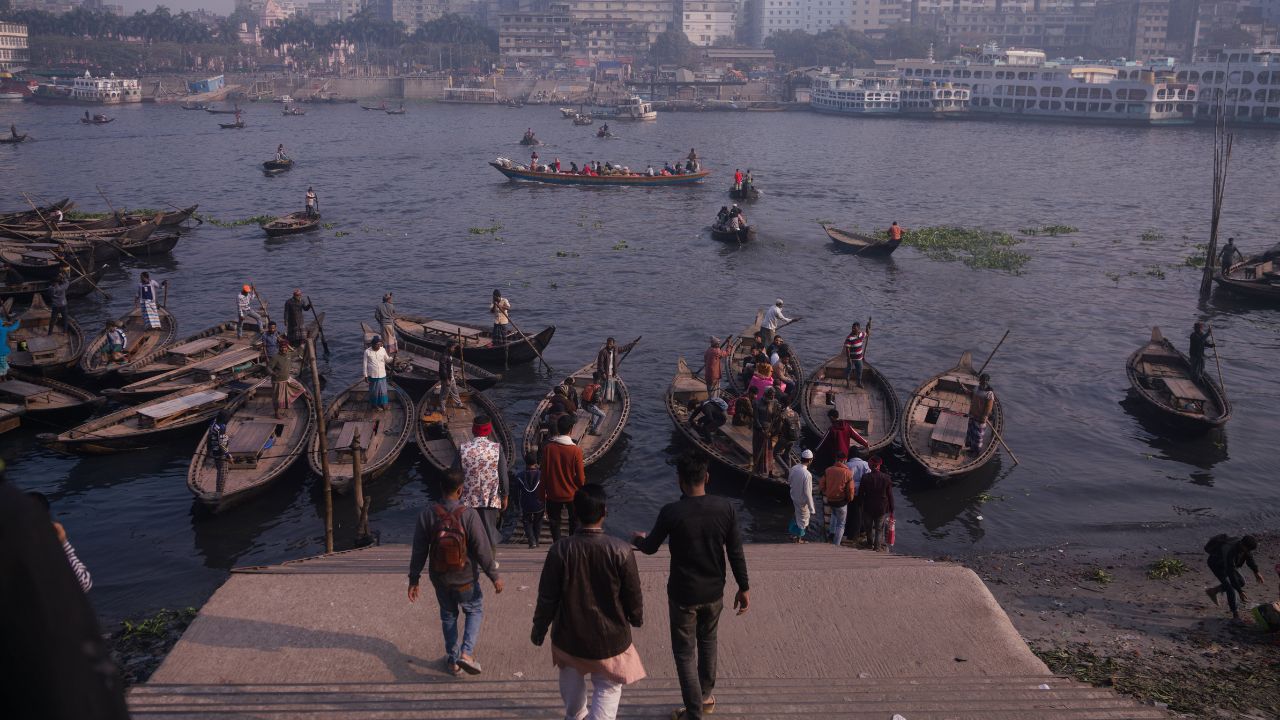

At Nagor Mohol Ghat in East Aganagar, Keraniganj, the Buriganga no longer looks like a river that carries life; it looks tired. Thick, dark water moves slowly, carrying the weight of waste dumped into it every day. The riverbank smells of burnt fabric, chemicals and decay. What was once a busy ghat for boats, washing and daily life is now a silent witness to unchecked pollution.
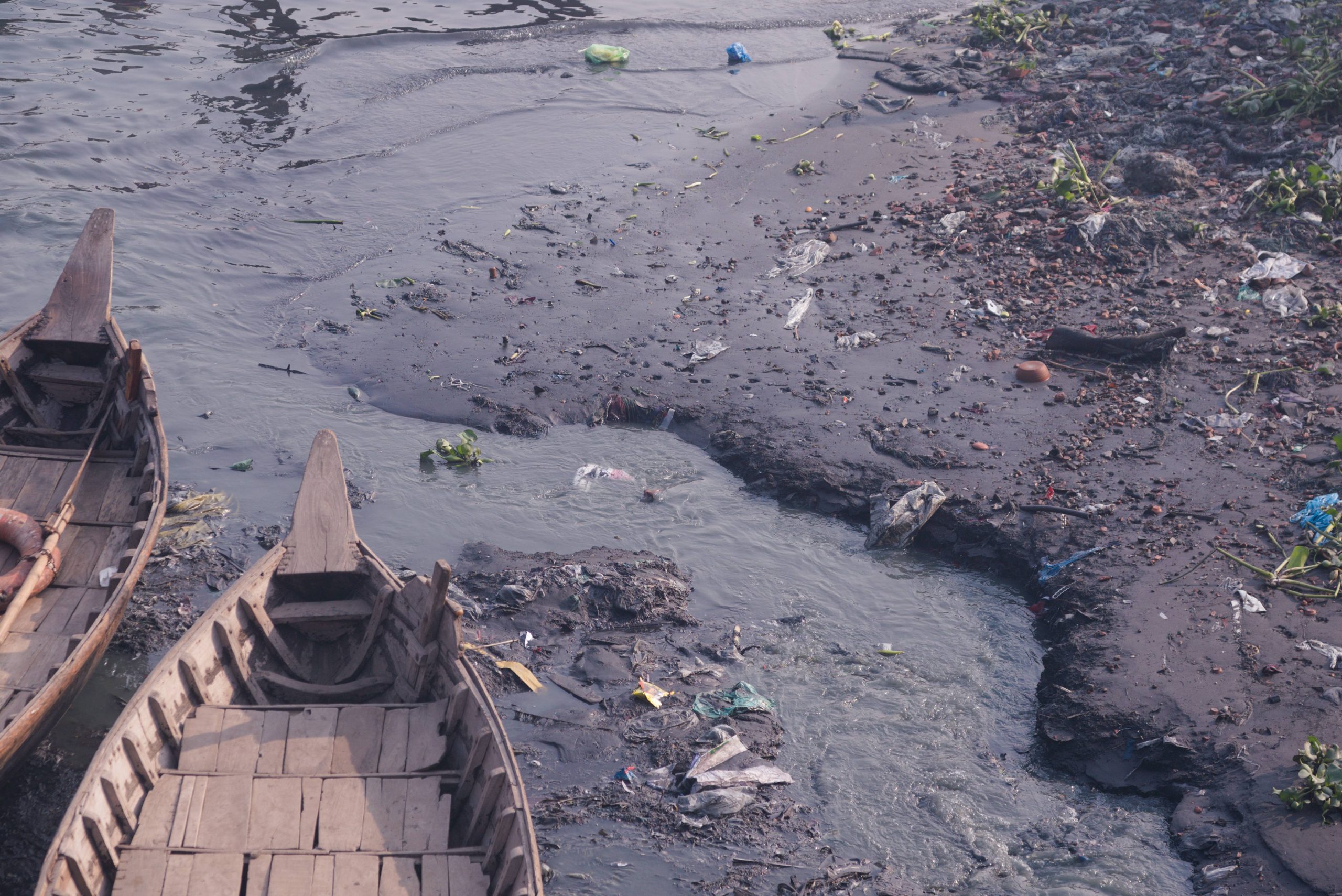
Keraniganj has long been known as a hub of small and medium garment factories. Behind the low-rise buildings and narrow lanes, thousands of workshops cut, stitch and finish clothes for local and export markets. But what happens to what cannot be sold rarely enters the conversation. At Nagor Mohol Ghat, the answer is visible in piles of discarded fabric, rejected garments, thread cones and burnt scraps dumped directly into the river.
Local residents say dumping usually happens at night. Trucks and vans arrive quietly. Workers unload sacks of waste and throw them into the water or leave them on the bank. By morning, some of it floats away, some sinks, and the rest burns. Black smoke rises when unsold or defective clothes are set on fire to reduce volume. The ashes, mixed with melted synthetic fibres, eventually wash into the Buriganga.

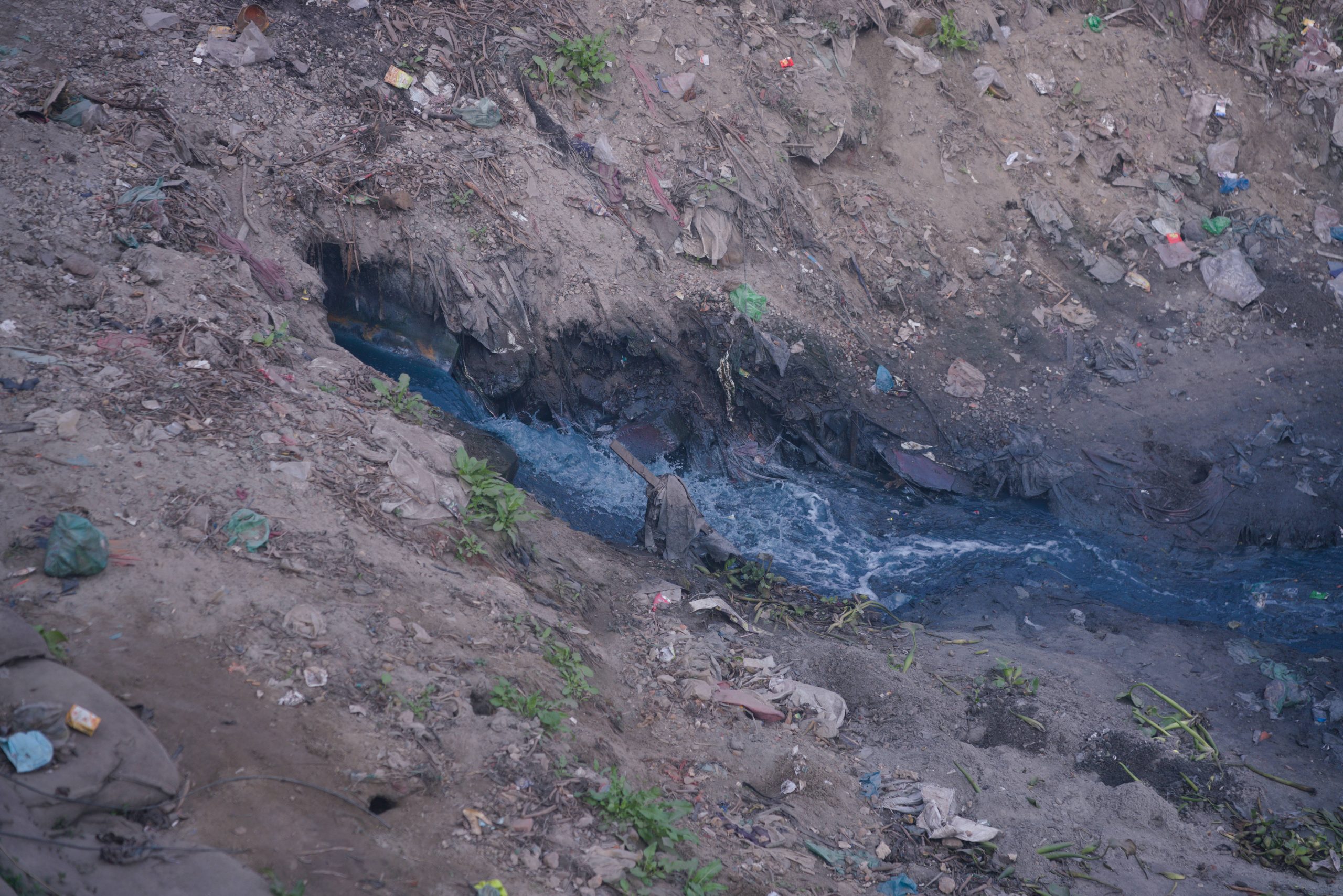
Most garment units in Keraniganj do not have proper waste management systems. There are no effluent treatment plants for solid waste, and many factories lack even basic disposal facilities. Fabric scraps, chemical-treated cloth and burnt residues are treated as someone else’s problem. The river becomes the easiest option.
The impact on water quality is severe. Synthetic fabrics release microplastics as they break down. Dyes and chemical residues seep into the water. During the dry season, when the river flow is low, pollution becomes more concentrated. The water turns darker, thicker, almost oily. Fish have all but disappeared from this stretch of the river.




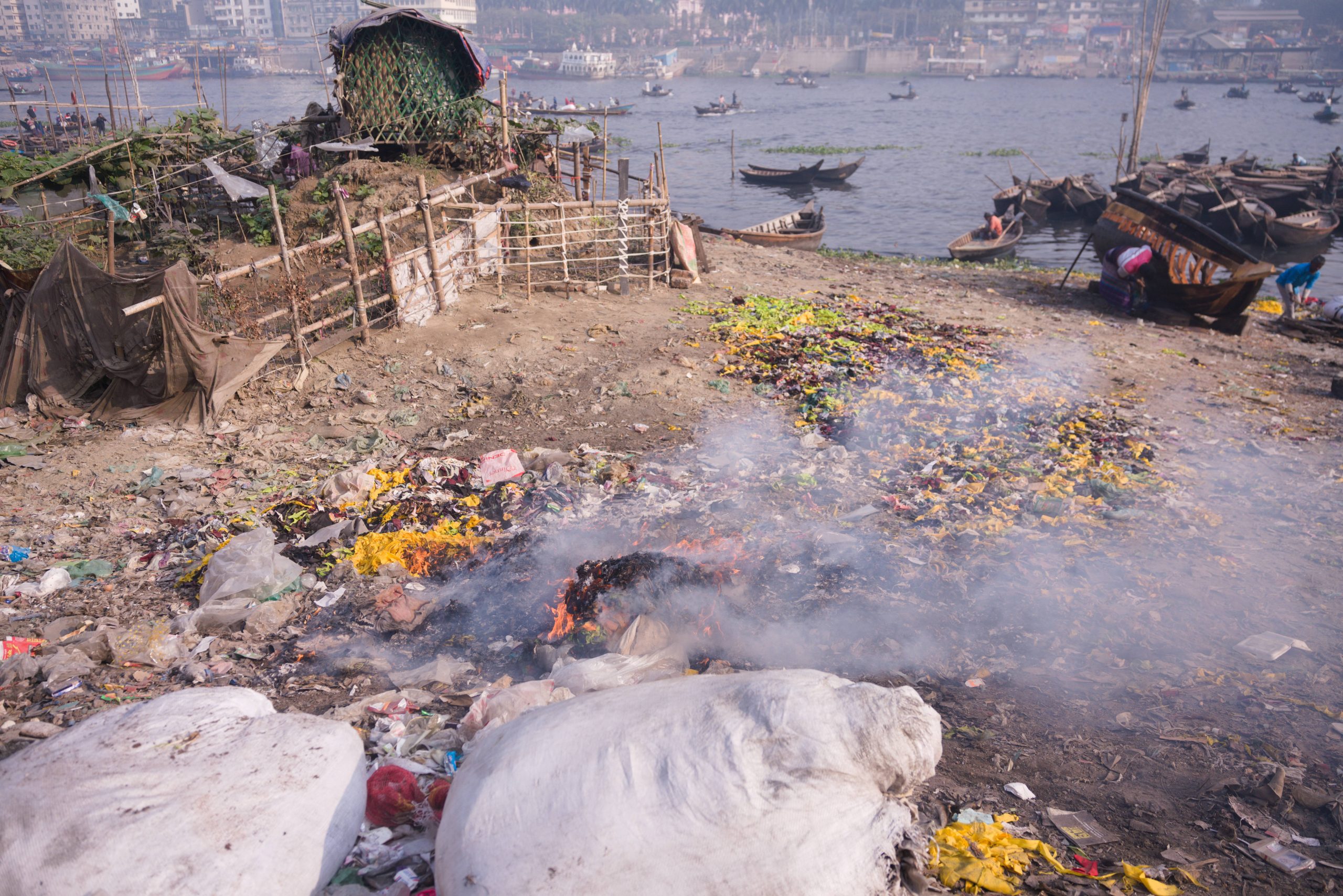
Residents of East Aganagar complain of skin diseases, breathing problems and constant headaches. Those who still depend on the river for washing utensils or clothes do so out of necessity, not choice.
Environmental experts warn that pollution does not stay local. The river carries contamination downstream. What enters the river at Nagor Mohol Ghat eventually affects agriculture, groundwater and public health far beyond Keraniganj.
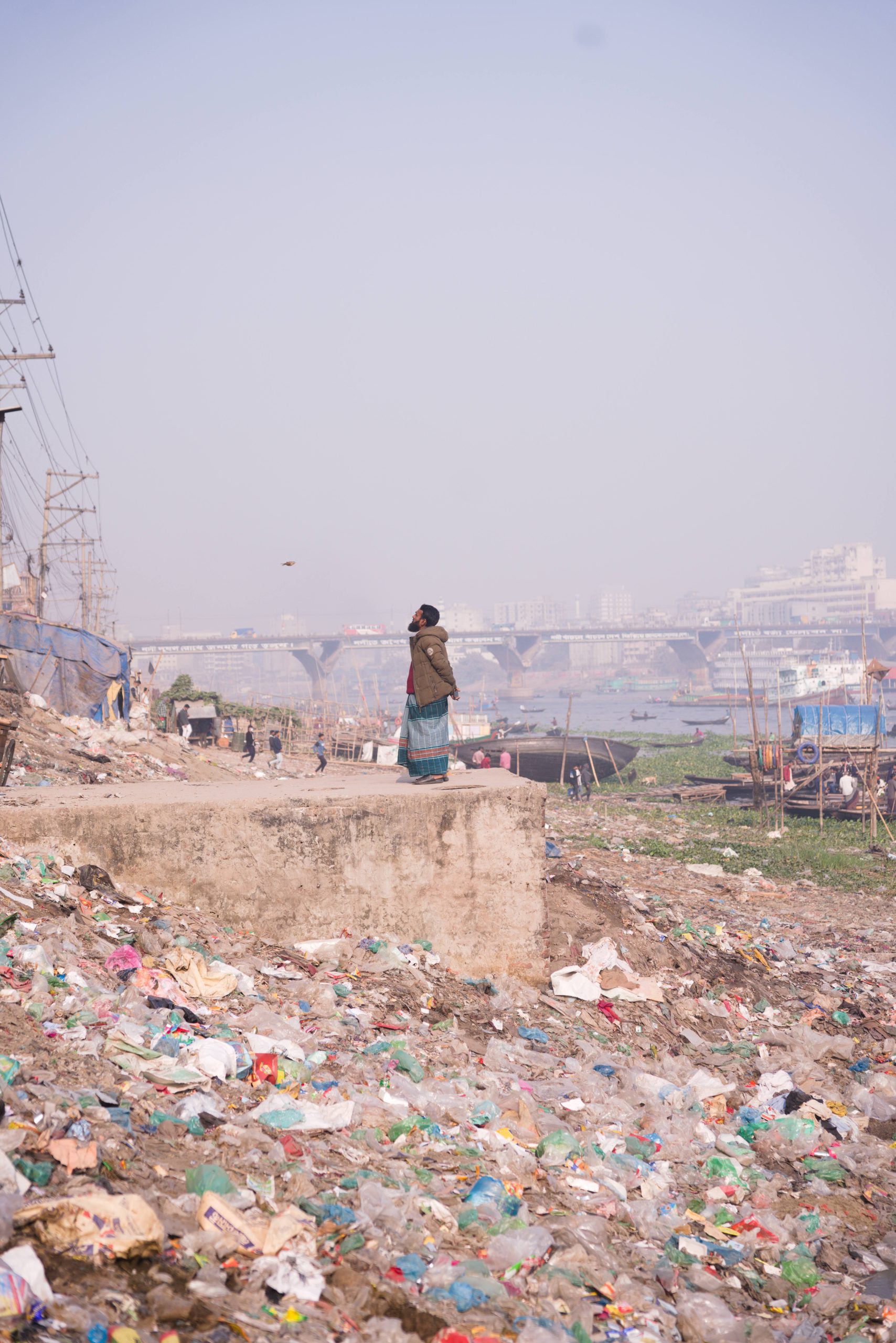
Nagor Mohol Ghat also reflects a deeper problem: planned neglect. Keraniganj grew rapidly as an industrial zone without the infrastructure to support it. No central waste collection system. No designated dumping sites or treatment facilities. When production increases, waste increases too, but no one plans for where it should go.
Saving Nagor Mohol Ghat will require more than clean-up drives. It demands accountability from garment owners, strict monitoring by authorities and investment in waste treatment facilities. Without that, the river will continue to die slowly.