
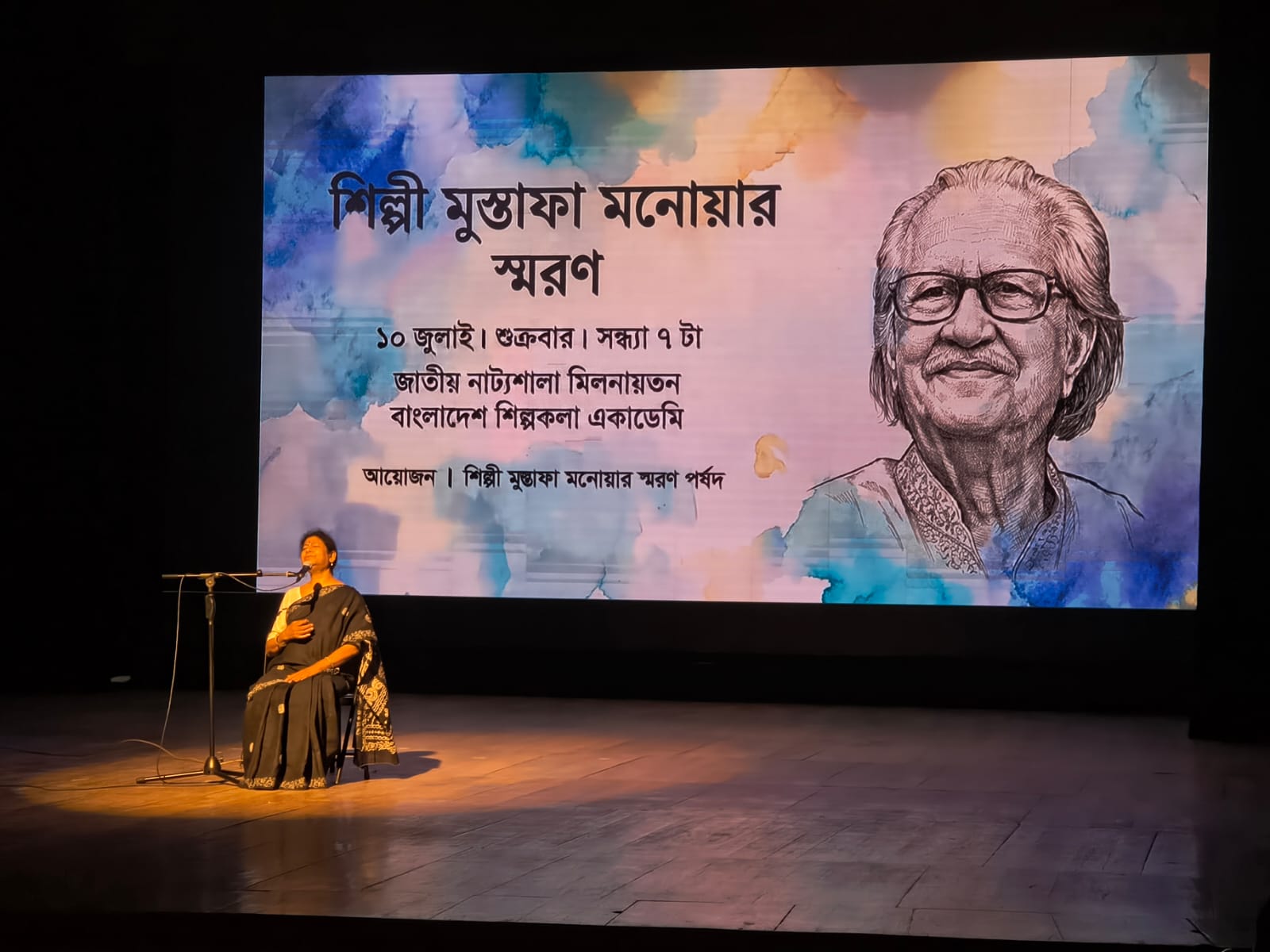
The remarkable life and legacy of eminent artist, television visionary and pioneer of puppet theatre in Bangladesh, Mustafa Monwar, were celebrated through songs, poetry, personal reminiscences and discussions at a commemorative programme held at the Bangladesh Shilpakala Academy (BSA) on Friday evening.
Organised by the Shilpi Mustafa Monwar Smaran Parishad at the National Theatre Hall, the event brought together some of the country’s leading artists, actors, writers and cultural figures. They reflected on Monwar’s extraordinary contributions to fine arts, television, theatre, children’s entertainment and Bangladesh’s cultural landscape.
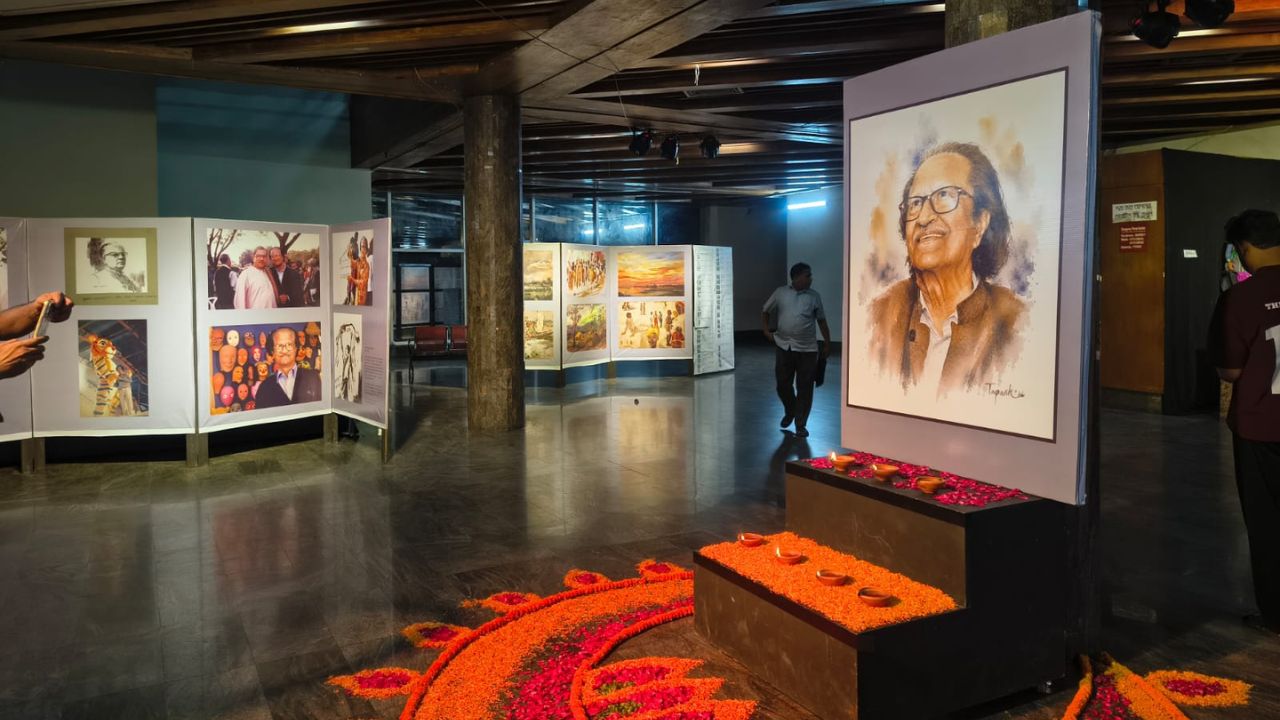
The venue featured a portrait of the late maestro surrounded by flowers and candles. An exhibition displayed photographs from different stages of his life, alongside a collection of his paintings and some of his most beloved puppet characters, including Montri, Gittu, Raja, Bagha, Meni, Kushri Chhana, Baul, Shikkhok, Shar, Bokor, Pandit and Dragon. The programme opened with a presentation highlighting his life and achievements.
Speaking at the event, cultural personality Nasir Uddin Yousuff Bacchu described Mustafa Monwar as an immortal source of inspiration. “Thousands have been inspired by his work, and countless more will continue to be inspired in the future,” he said.

Remembering her husband of 61 years, Merry Monwar expressed gratitude for the immense affection people continue to show him. She recalled how admirers would gather around him wherever he went and said the love displayed at the memorial reflected the deep respect he earned throughout his lifetime.
Actor Shahiduzzaman Selim, President of the Television Directors’ Guild, paid tribute to Monwar as the organisation’s founding President. Dancer Shamim Ara Nipa remembered him as a fearless perfectionist who consistently challenged conventional artistic practices with creativity and discipline.
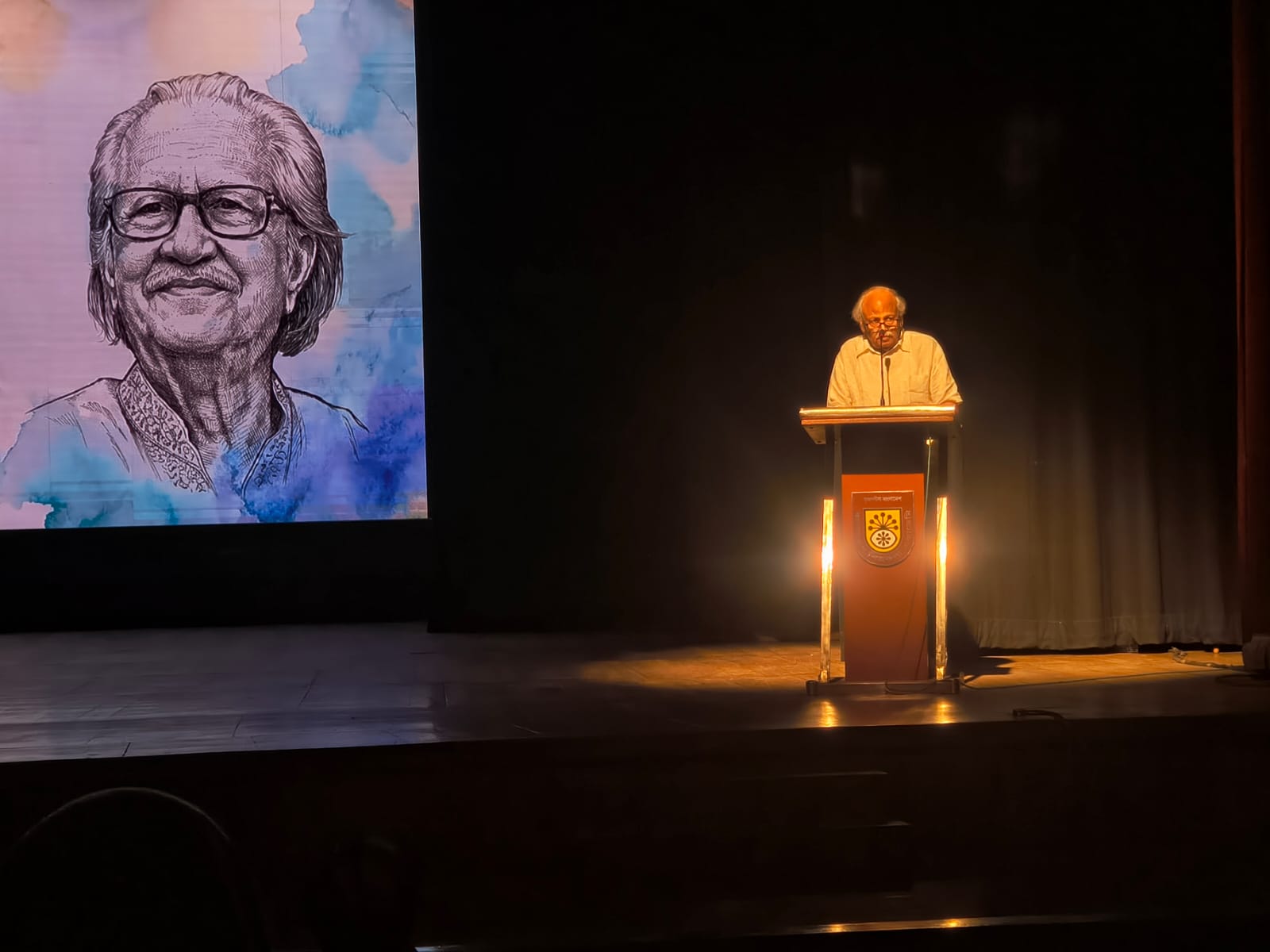
Renowned painter and cartoonist Rafiqun Nabi described Monwar as one of the greatest inspirations of his artistic life. He recalled how, as a teacher at the then Dhaka Art College, Monwar encouraged students to break free from rigid conventions, nurtured a vibrant cultural environment on campus and left an enduring legacy through painting, television, puppetry, Rabindranath studies and the spirit of the Language Movement.



Several speakers also highlighted Monwar’s pioneering role at Bangladesh Television, particularly his acclaimed productions of Rabindranath Tagore’s Raktakarabi and Shakespeare’s The Taming of the Shrew (Mukhra Romoni Boshikoron).
Hosting the event, actor Afzal Hossain described Raktakarabi as one of BTV’s finest productions. Veteran actors Abdul Aziz and Keramat Mawla recalled Monwar’s meticulous direction, technical brilliance and lasting influence on generations of television performers and directors.
Actor Tariq Anam Khan said there was hardly any branch of art untouched by Mustafa Monwar. He noted that the artist’s innovative thinking and mastery of modern production techniques had inspired countless theatre practitioners.
Poet Nasir Ahmed Nadvi also remembered Monwar’s deep admiration for Rabindranath Tagore. He said conversations with him invariably returned to the Nobel laureate and left listeners inspired.
The programme also featured recitations by Nima Rahman, who remembered Monwar as her maternal uncle and first recitation mentor. Chhayanaut General Secretary Laisa Ahmed Lisa performed a soulful tribute song, while Golam Sarwar read from Tagore’s celebrated collection of letters, Chinnapatra.
Tributes were also paid by M Hamid, Habibur Rahman and others before Liberation War Museum trustee Mofidul Hoque delivered the vote of thanks.
Mustafa Monwar, who died at Square Hospital in Dhaka on 29 June after battling multiple health complications, was remembered throughout the evening not only as a distinguished artist but also as a visionary whose creativity transformed painting, television, puppetry and cultural education in Bangladesh.
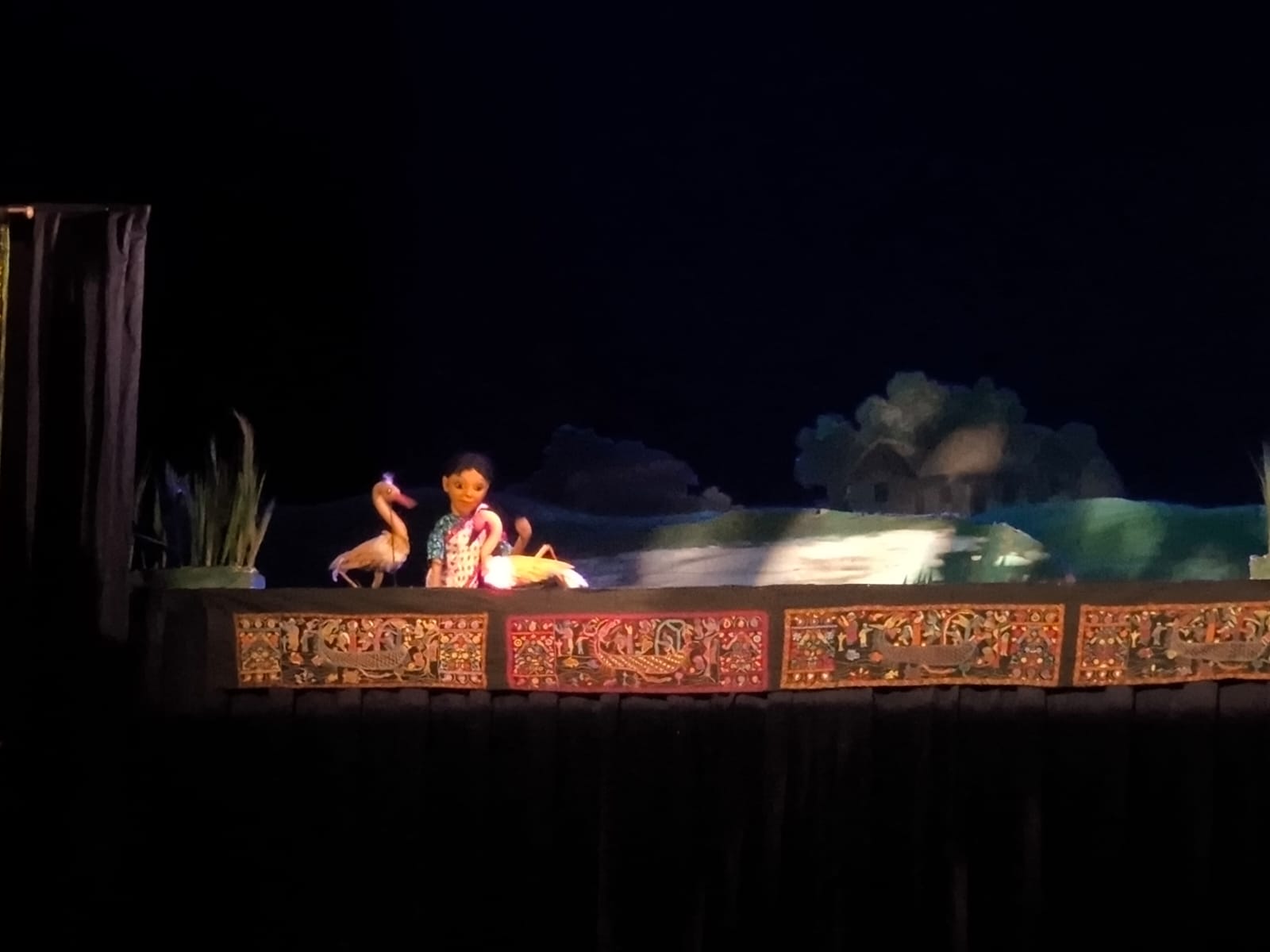
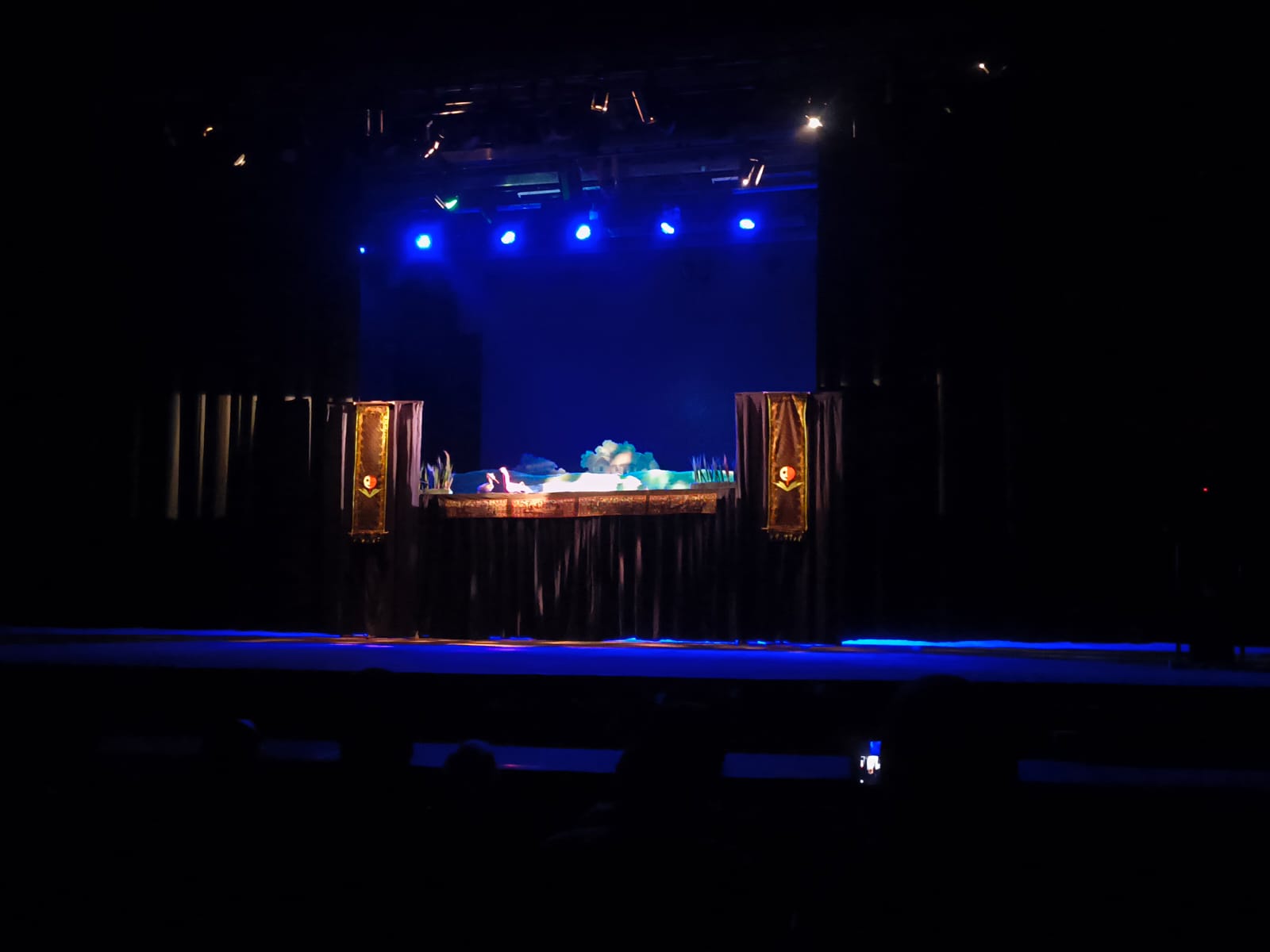
The commemorative programme concluded with a puppet show celebrating the art form he helped popularise in the country.