Urban farming, particularly modern cattle and dairy farming within city areas, is rapidly gaining popularity in Chattogram. What once began as small hobby-based farms is now evolving into large-scale commercial and corporate ventures, creating a new trend in the city’s sacrificial cattle market ahead of Eid-ul-Adha.
Across Chattogram’s industrial zones and factory areas, modern farms are emerging with advanced cattle breeds, merging commercial opportunities with passion-driven entrepreneurship. Experts say urban farming is steadily becoming a significant economic sector in the port city.
One striking example is Asian Agro, a modern cattle farm founded by young entrepreneur Wasif Ahmed Salam, a director of Asian Group. His journey began as a teenager, raising just four cows with an investment of Tk4 lakh. Inspired by his grandfather’s cattle-rearing practices, Wasif turned his hobby into a thriving business.
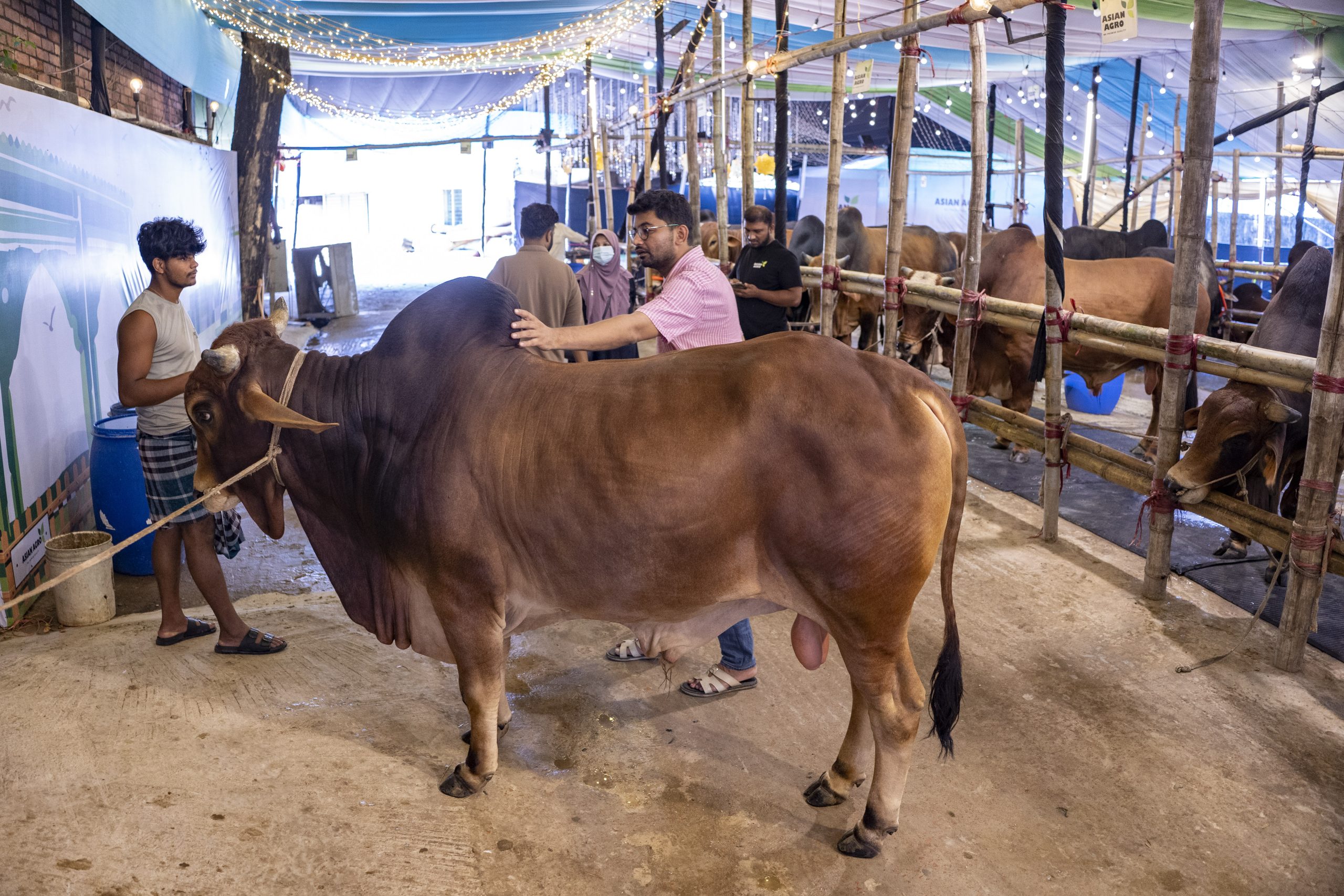
“After completing my master’s at City University London, I returned to Bangladesh and fully devoted myself to this venture,” Wasif said. By 2018, Asian Agro officially launched commercial operations with 60 to 70 cattle.

Today, the farm prepares nearly 300 cows for this year’s Eid market, with prices ranging from Tk1.20 lakh to Tk15 lakh. Around 35 employees now work regularly on the farm.
Rising feed and maintenance costs have made it increasingly difficult for ordinary rural farmers to raise expensive animals, industry insiders note. Wasif pointed out that feed prices have nearly doubled in recent years – from Tk27-28 per kilogram in 2018-19 to Tk50-55 now – while cattle prices have not increased proportionally.
Asian Agro is not alone. Several major business conglomerates in Chattogram – including TK Group, Abul Khair Group, Shah Amanat Group, Chowdhury Group, Nahar Agro Group, RDM Group, Well Group, Seth Group, and Continental Group—have also entered the cattle farming sector.




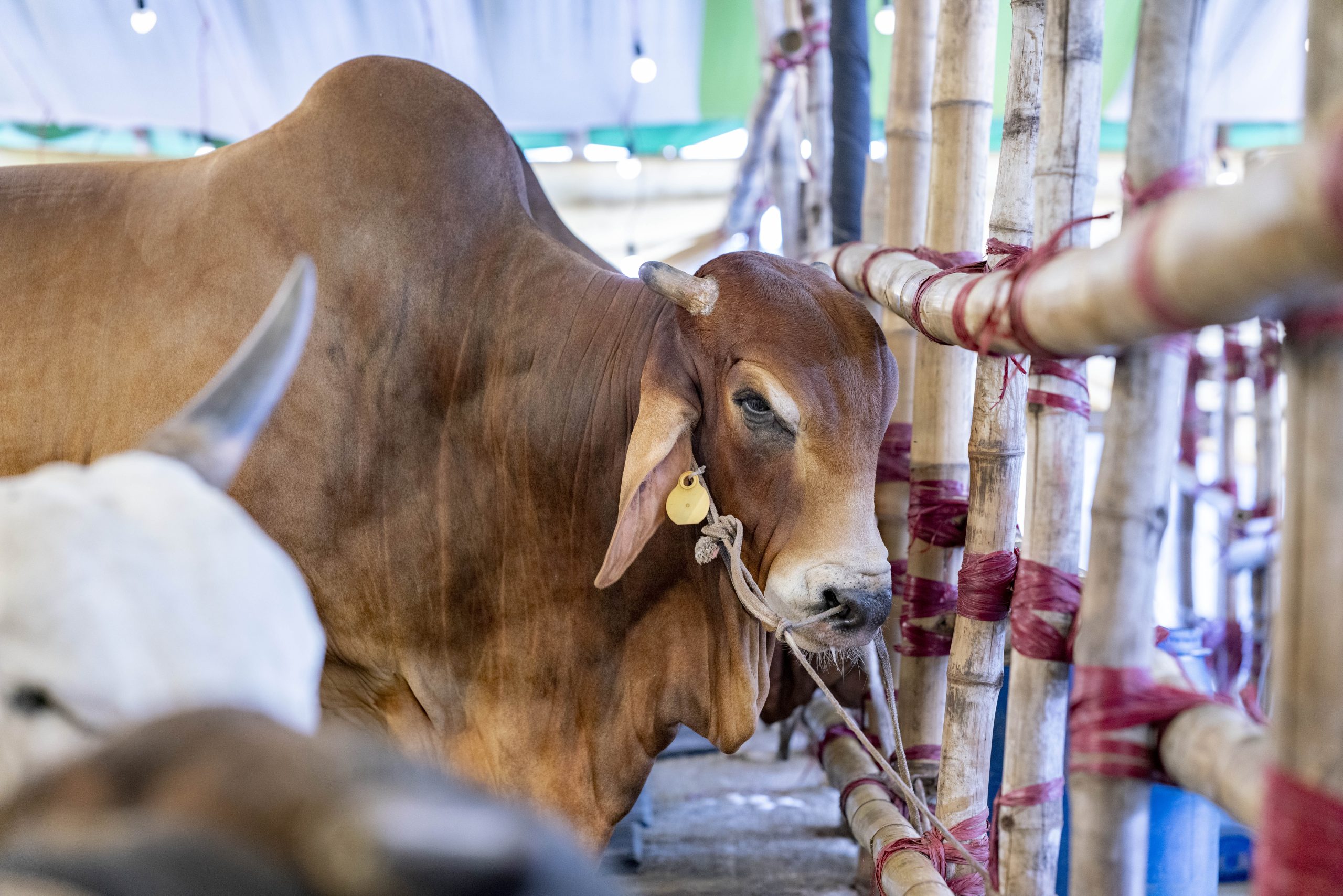
Entrepreneurs say their involvement is motivated not only by business opportunities but also by personal passion for animal husbandry.
Many entrepreneurs maintain farms to meet their own sacrificial needs while supplying premium cattle to affluent buyers, friends, and associates.
Rakibul Alam Chowdhury, chairman of RDM Group, said his company has established a large cattle farm inside its factory premises in Bayezid, raising around 100 cows. “The number of cattle is slightly lower this year due to rising feed and calf costs,” he said, noting that farm prices range between Tk4.50 lakh and Tk12 lakh.
According to Md Alamgir, Chattogram district livestock officer, urban farming is expanding rapidly across the metropolitan area. “Currently, there are around 250 farms in the city, including about 25 corporate ventures. The entire district now has nearly 12,000 farms,” he told TIMES of Bangladesh.
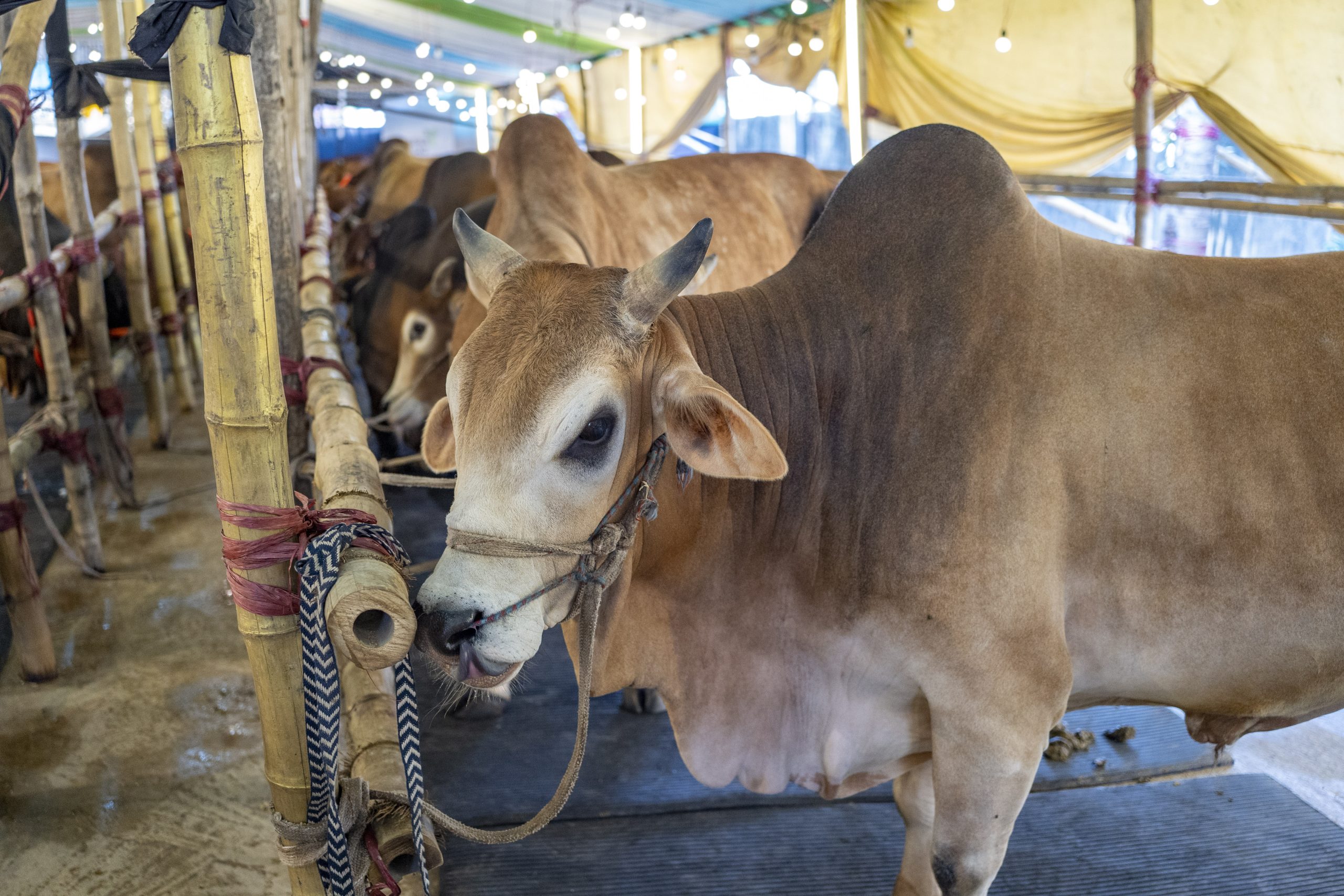
A visit to Asian Agro revealed a variety of breeds, including Brahma, Gangraj, Shahiwal Cross, Haryana, and local breeds. Several cattle had already been sold, with deliveries scheduled shortly before Eid. Prices range from Tk4 lakh to Tk16 lakh depending on breed and size.
Industry insiders say stronger government support and policy incentives could further boost the livestock sector’s contribution to the national economy.
With demand for sacrificial animals in Chattogram estimated at 818,000 and around 783,000 ready for sale, a shortfall of approximately 35,520 animals is expected to be met by supplies from other districts.
The growing trend of urban farming is not only reshaping the Eid cattle market but also creating fresh opportunities for a new generation of entrepreneurs.