Journalists, editors and legal experts in Bangladesh have sharply criticised the government’s failure to advance meaningful media reforms and condemned recent attacks on media institutions, warning that they threaten press freedom and democratic accountability while highlighting the urgent need for a robust code of ethics.
Speaking at the sixth Broadcast Conference organised by the Broadcast Journalists Centre (BJC) in Dhaka on Saturday, speakers described the vandalism and arson targeting Prothom Alo, The Daily Star and the Chhayanaut building as deliberate and coordinated acts that demanded urgent state response.
The conference was held at the International Mother Language Institute in Segunbagicha and brought together senior journalists, lawyers and media professionals to discuss media reform, ethics and safety.
Nurul Kabir, editor of New Age and president of the Editors’ Council, alleged that elements within the government had allowed the attacks on two dailies and Chhayanaut to take place despite advance public threats. He said warnings of destruction had been issued one or two days before the incidents, yet no preventive arrests were made.

Describing the assaults as acts of terrorism, he questioned why threats that constituted criminal offences were ignored. He noted that those arrested later had political affiliations and called the day of the attacks a “black day” for Bangladesh’s media.
Barrister Sara Hossain, a senior Supreme Court lawyer, urged journalists to place the current crisis within a broader historical context. She said journalists had largely remained silent under successive governments — including BNP-Jamaat, caretaker administrations and the Awami League — due to pressure from owners, business interests and political alignments.


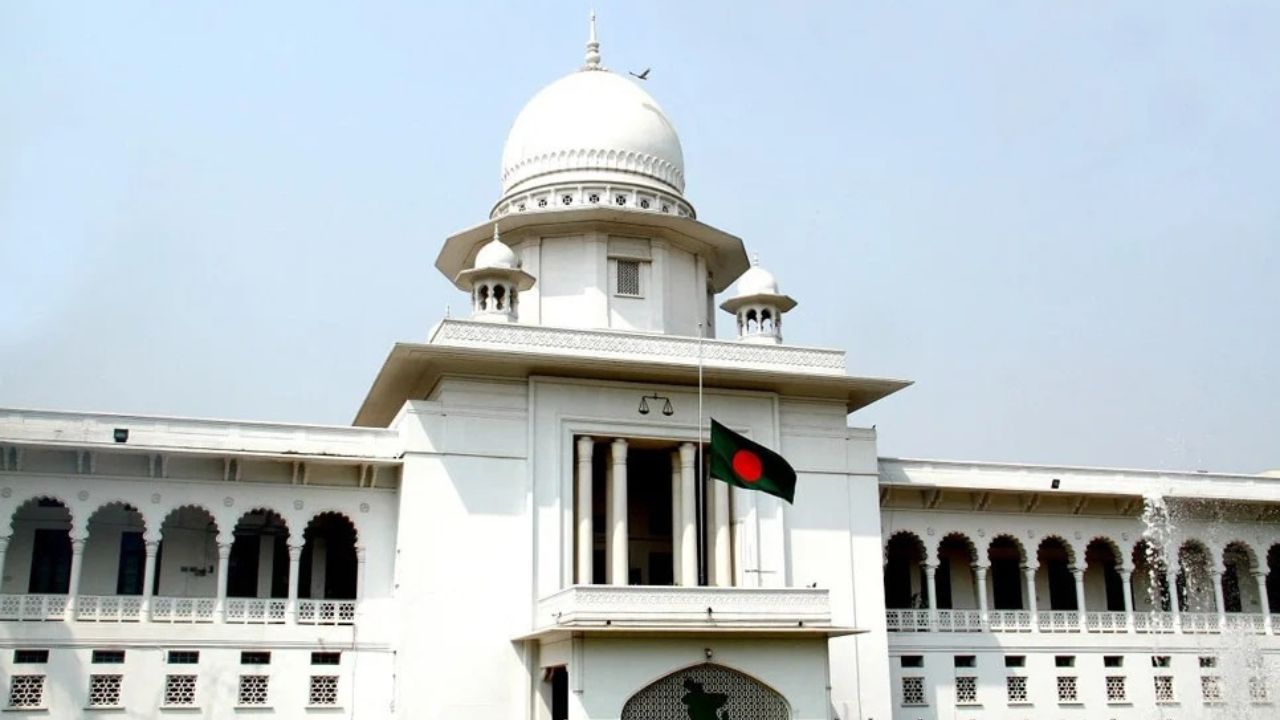

She called for journalists’ codes of conduct to incorporate historical awareness and gender equality and urged legal challenges to colonial-era laws inherited from British and Pakistani rule that continue to restrict press freedom.
Senior journalist and BJC adviser Khairul Anwar Mukul said changes in political leadership had failed to improve the condition of journalism. Quoting poet Abul Hasan, he said “kings come, kings go,” but repression persisted. Referring to arrests of journalists after 1991 and restrictions under successive governments, he said recent attacks on Prothom Alo, The Daily Star and harassment of the Editors’ Council’s president showed a recurring pattern.
“When the editor of The Daily Star says it is now a question of survival rather than freedom, what change did the 2024 uprising bring?” he asked, contrasting the government’s swift response to the 2007 BSE building fire with its recent inaction.
Mohammad Al Mamun, country director of BBC Media Action, described the launch of a journalists’ code of ethics at the conference as a milestone after years of effort. He said the initiative, supported technically by BBC Media Action, aimed to promote self-regulation, accountability and public trust, noting that clear standards could also protect reporters in the field.
Former Media Reform Commission chief Kamal Ahmed, also consulting editor of The Daily Star, expressed frustration that none of the commission’s recommendations submitted nine months ago had been implemented. He criticised officials for dismissing proposals as “not feasible” and highlighted unfulfilled plans, including merging Bangladesh Television, Bangladesh Betar and Bangladesh Sangbad Sangstha into a single autonomous body.
Responding to criticism, Information and Broadcasting Adviser Syeda Rizwana Hasan condemned the attacks, calling those responsible enemies of both the media and the government. She urged disagreement to be expressed through debate, not violence, and acknowledged lapses by the authorities. She outlined plans to finalise the Broadcast Commission Ordinance, issue the Press Commission Ordinance, and appoint leadership to the Information Commission.
The conference, moderated by Shahnaz Sharmin, also featured contributions from Fahim Ahmed, Talat Mamun, Elias Hossain and Milton Anwar, alongside the launch of a book on journalistic ethics.