
ZIAD AMIN KHAN
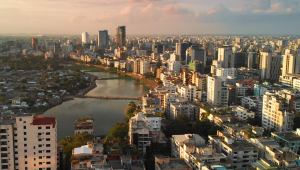
For many in Dhaka or even Chattogram city, Mirsharai may appear to be just another distant Upazila- quiet, remote, occasionally in the news for a factory opening or a road accident. But as someone who has walked its muddy roads, spoken with its farmers, cried with its mothers, and dreamed with its youth- I can tell you: Mirsharai is not a footnote in Bangladesh’s story. It is a frontier waiting to rise.
Look closer, and you will see what I see: the embryo of Bangladesh’s next economic revolution. A place where hills meet harbours, where ambition meets adversity, and where, if we choose courage over complacency, Bangladesh can rewrite its industrial and migration story.
A land of untapped power
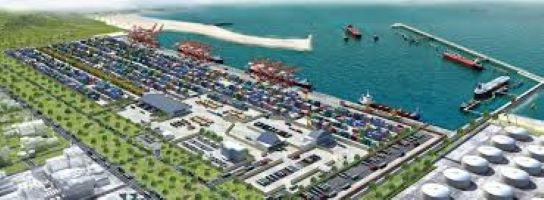
Mirsharai is home to Bangladesh’s largest Export Processing Zone (EPZ). This is not a coincidence. Investors see what many politicians failed to: we are strategically located, blessed with access to seaports, the Dhaka-Chattogram Highway, and a ready labour force.
But industries alone cannot transform a region. Without roads that don’t crack in rain, without trained youth, and without a secure environment, we are setting up factories on sand.

That is why I believe in building not just EPZs, but Export-Ready Communities.
We are at the crossroads—literally and economically
Mirsharai is not just a town- it is a border gateway. Our Feni River link makes us vulnerable to trafficking: of drugs like yaba, illegal arms, and stolen timber. But it also means we are a launchpad- for logistics, trade, and even tourism if managed wisely.
Yet, I ask: how can trade flourish when our roads are broken, our hills are bleeding from illegal extraction, and our youth are being trafficked (not with drugs) but with false migration promises?


Our youth are goldmine
More than 30% of Mirsharai’s households depend on remittance. Our people are hard-working, resilient, and desperate for opportunities. But too often, they leave the country untrained, unprotected, and unheard.
That must end. I envision a Mirsharai that doesn’t just export labour, but exports leadership and innovation. Where our sons and daughters have the option to either migrate safely- or stay back and thrive.
What must we do?
I believe this transformation is not a dream. It is a roadmap- clear and achievable if we dare to act boldly. We should create special zones for green industry that will attract investment that respects our environment- textiles, light manufacturing, agro-processing, and so on that will use renewable energy and zero-waste principles. Border tech surveillance should be deployed in order to monitor systems on the Feni border to stop drug and timber trafficking, while making trade routes safer and faster.
Along with that, skill and remittance reinvestment programmes should be established to prepare youth for high-value jobs abroad. Then help them reinvest earnings back into the community-through housing, entrepreneurship, and local job creation.
Partnerships with EPZ authorities should create placement centres that connect trained local workers directly with industry demand- cutting out brokers and reducing exploitation.
Believe in Mirsharai
Many will ask: should we try to become Macao? My answer is simple: Bangladesh doesn’t need to copy Macao. Bangladesh needs to believe in Mirsharai.
We already have the ingredients- land, location, labour, and love for our country. What we need now is prudent leadership that listens, plans, and delivers. Also, policy support from government. Various stakeholders, if work together, can make it a bigger success.
Let us turn this forgotten border into a national frontier.
Let us turn this quiet land into a loud, proud symbol of possibility.
Let us build the Bangladesh we were promised- starting right here in Mirsharai.
The writer is a development activist