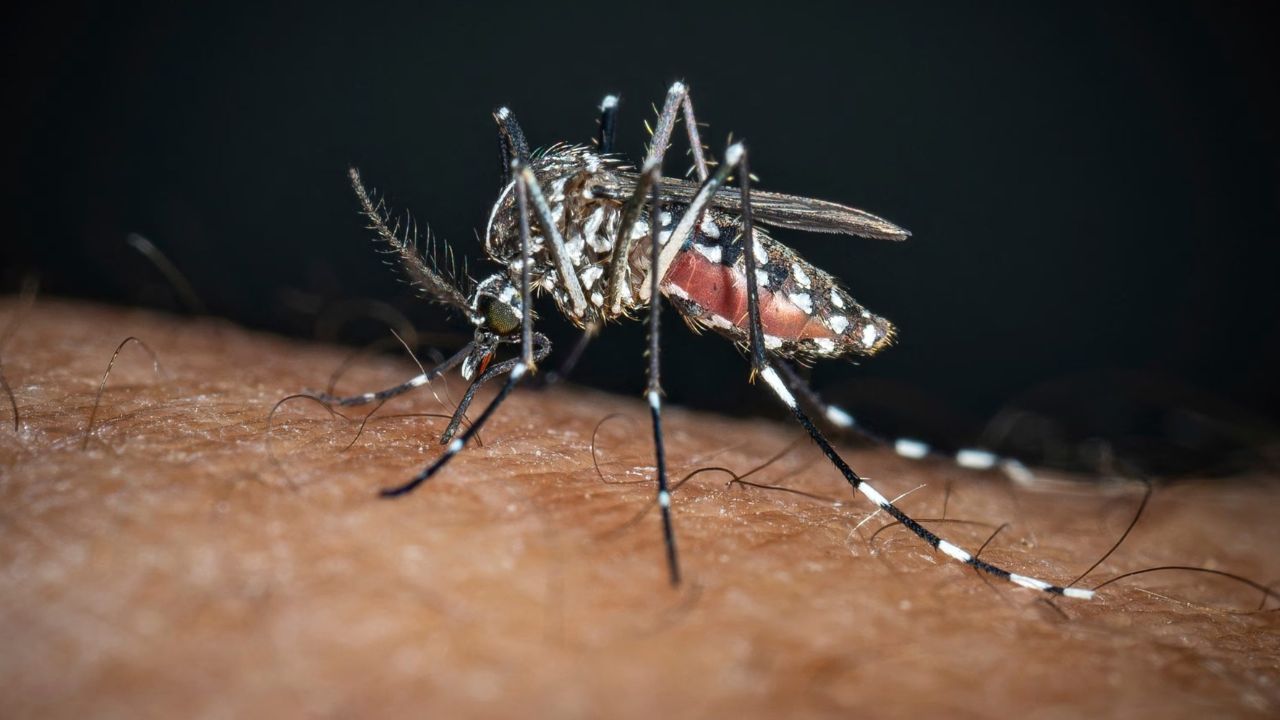
As Eid-Ul-Adha approaches, health authorities are on high alert and have implemented special measures to ensure hospitals can effectively manage the ongoing measles outbreak during the holiday period, when routine healthcare services often face significant disruptions.
The Directorate General of Health Services (DGHS) has already issued guidelines to maintain uninterrupted emergency services, as the outbreak has already claimed 545 lives from measles and measles-like symptoms. In the 24 hours from 8am on 24 May to 8am on 25 May, 17 deaths were reported across the country.
With many patients remaining in hospitals, the directives—issued last week—call for additional doctors in emergency departments, round-the-clock operation of laboratories, blood banks, and imaging facilities, sufficient medicine stocks, and staggered staff leave schedules.

Paediatric and measles isolation wards, ambulance services, and emergency obstetric care at private hospitals have been placed on heightened readiness. Health centres near cattle markets must provide initial treatment before referring patients, and any emergencies or disasters must be promptly reported to control rooms.
The guidelines were issued as hospitals typically operate with low manpower during the week-long Eid vacation, while many children require extended hospital stays for treatment.

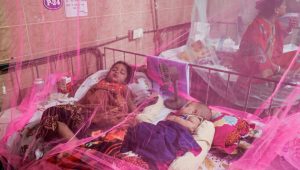
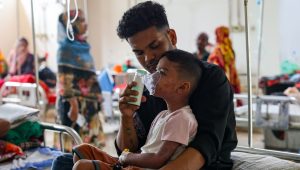
At Dhaka’s Infectious Disease Hospital, young children with measles continue to receive treatment, highlighting ongoing pressure on the public health system.
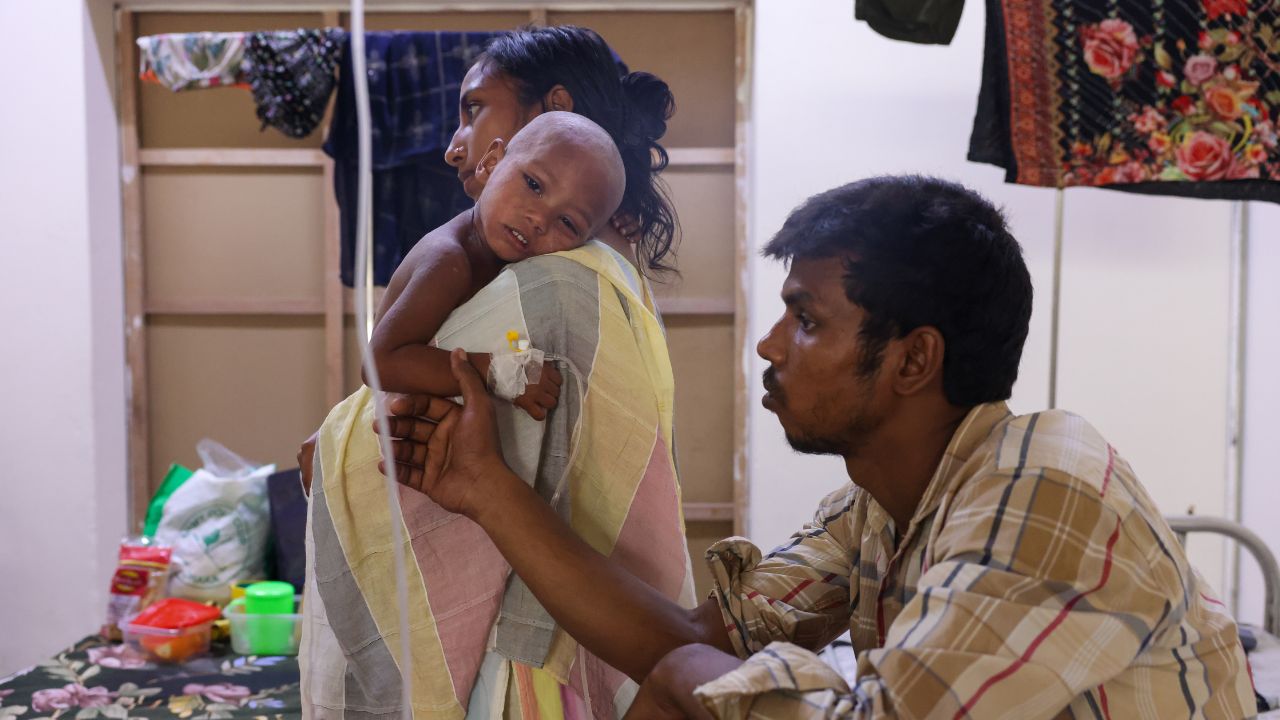
Parents staying with children receiving treatment in Dhaka hospitals said the outbreak has overshadowed their Eid celebrations. Some expressed uncertainty about returning home, focusing entirely on their children’s recovery.

Among them is six-year-old Sarfaraj, whose condition has caused serious concern for his family. His mother said he first developed a fever followed by a rash, starting on the face and spreading across the body.
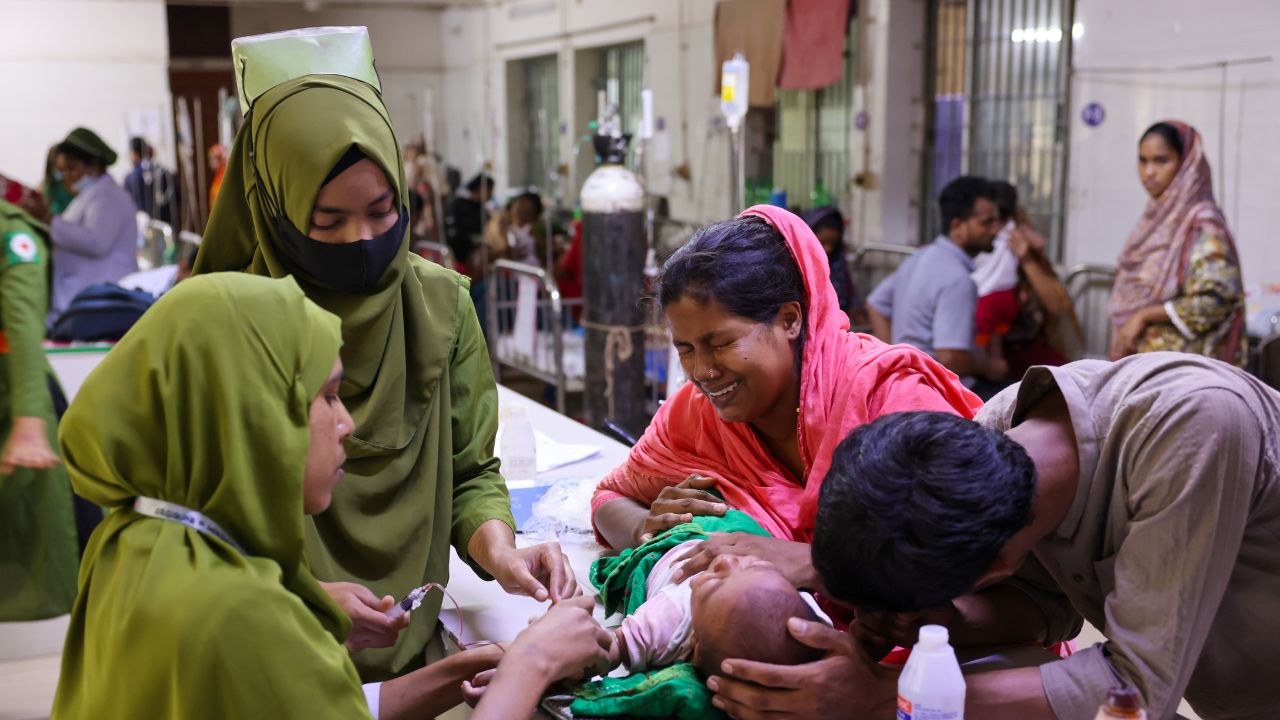

The family initially sought care at a hospital in Gulshan, but as his condition deteriorated, he was referred to the Infectious Disease Hospital, where he was admitted due to inadequate oxygen and ICU support at the first facility.
The family has already spent around Tk50,000 on his treatment and remains uncertain about returning home to Munshiganj for Eid while he recovers.
Similar challenges face Mohammad Mamun, also from Munshiganj, whose twin infants—born on 19 November 2025—have been battling measles for more than a week. After initial treatment at a local hospital, they were referred to Dhaka, moved through Matuail Hospital, and finally admitted to the Infectious Disease Hospital.

Sitting on a sixth-floor balcony, Mamun said: “One week ago, both were diagnosed with measles. In this one week, around Tk10,000 has been spent. Altogether around Tk40,000-Tk50,000.”
Like Sarfaraj’s family, their Eid celebrations are overshadowed by uncertainty over the twins’ recovery.
The cases underscore the vulnerability of young children to measles complications, including respiratory distress and cardiac issues, which can escalate rapidly without intensive care.
Duty doctors at DNCC Dedicated Covid-19 Hospital and the Infectious Disease Hospital said they are following health ministry directives for Eid, prioritising uninterrupted care for measles patients throughout the holiday period.

Health Minister Sardar Md Sakawat Hossain announced that doctors and nurses directly involved in treating measles patients will not receive Eid leave.
Speaking to journalists after a ministry event on Saturday, he said, “Doctors and nurses on duty for measles patients’ treatment will have no Eid leave. They must stay at their workplaces. We have already issued a circular.”
Measles death toll rises as outbreak intensifies
Of the 17 people who died from measles and measles-like symptoms in the 24 hours up to 8am on Monday, 16 were suspected cases and one was confirmed through laboratory testing. The toll marks the highest daily number of deaths since 15 March, matching a previous peak of 17 on 4 May.

During the same period, authorities reported 1,127 new suspected cases and 97 confirmed infections. Since 15 March, Bangladesh has recorded 64,940 suspected cases, 8,719 confirmed cases, 458 suspected deaths, and 87 confirmed deaths.