




The nationwide indefinite strike called by the LP Gas Traders Cooperative Society Limited has been withdrawn amid a severe supply crunch in the liquefied petroleum gas (LPG) market, but importers and traders say it may take at least two more weeks for the situation to stabilise.
The strike was called off on Thursday, the first day of the shutdown, following a meeting with the Bangladesh Energy Regulatory Commission, where the association’s president Selim Khan announced the withdrawal.
At the meeting, the traders placed three demands, including halting administrative drives against LPG sellers across the country, raising charges for distributors and retailers, and ensuring an uninterrupted supply of liquefied petroleum gas.
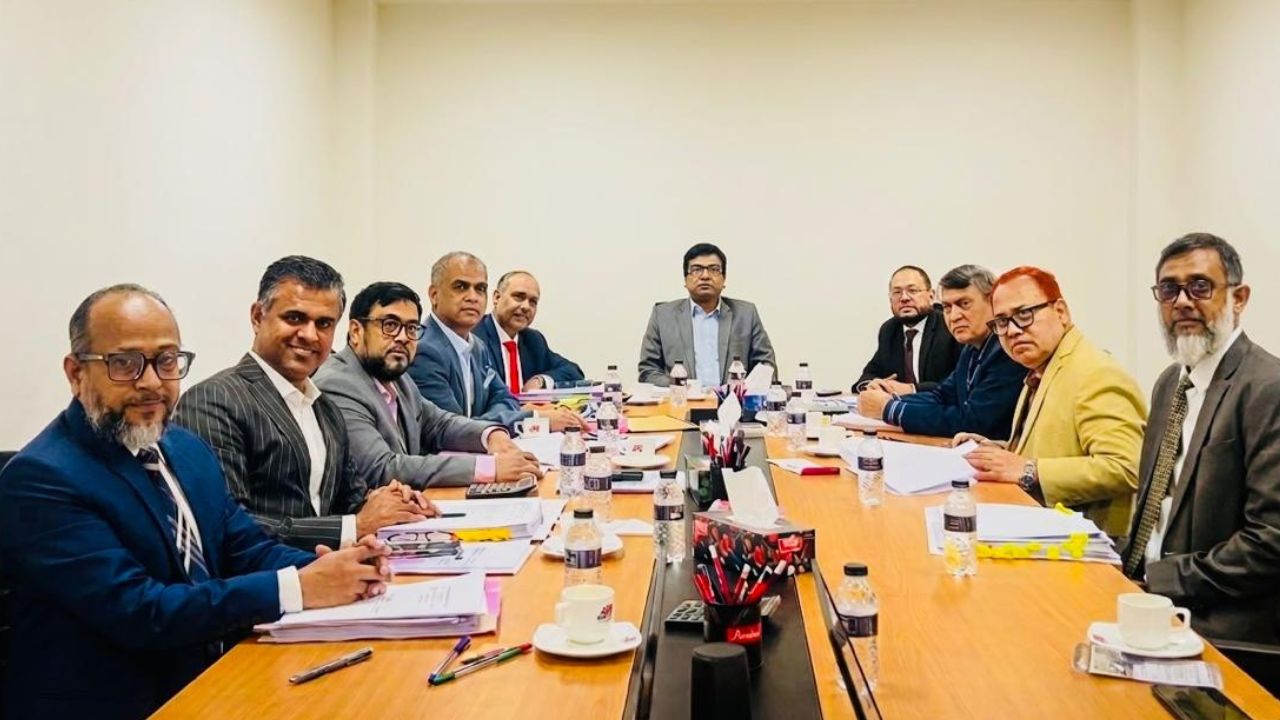
BERC Chairman Jalal Ahmed said at the meeting that discussions would be held with the administration over the ongoing drives and that legal steps would be taken to increase distributor and retailer-level charges.
At the same time, the LPG Operators Association of Bangladesh informed the commission that alternative arrangements had been made for imports despite a shortage of vessels, raising hopes that supply could improve slightly within the next week.
Speaking to TIMES of Bangladesh after the meeting, Selim Khan said operators are being forced to pay more than the government-fixed Tk1,300 just to procure a 12kg cylinder and gas, while receiving far less gas than required.
“In this situation, it is not possible for any retailer to sell a 12kg cylinder for less than Tk1,500,” he said.
However, the BERC chairman maintained that there is no justification for selling gas at prices higher than the government-set retail rate of Tk1,306.
Earlier, at a press conference in front of the National Press Club on Wednesday, Selim Khan said the country is facing an acute LPG crisis and that although 5.5 crore cylinders from 27 companies are in the market, only about 1.25 crore are being refilled.
This means around 4.25 crore cylinders are lying empty, increasing distributors’ costs and becoming a key reason behind rising prices, he said, adding that distributors are suffering as most companies remain inactive.
He also claimed that distributors would need subsidies if adequate LPG supply is not ensured.
In a written statement, the association said BERC adjusted prices without consulting distributors and was fuelling debate over higher prices instead of focusing on resolving the supply crisis.
The statement also said drives by the Directorate of National Consumer Rights Protection are creating panic in the market, forcing many traders to shut down operations.
The association demanded that distributors’ commission be raised from Tk50 to Tk80 and retailers’ commission from Tk45 to Tk75.
Meanwhile, the LPG Operators Association of Bangladesh claimed that gas is being sold at company level at government-fixed prices, identifying import shortages as the main cause of the crisis due to missed shipments in December.
Senior Vice President of the association Humayun Rashid told TIMES that several very large gas carrier vessels faced restrictions due to United States sanctions, while many importers failed to receive expected December consignments.
He said that against a monthly demand of 130,000 to 150,000 tonnes, only 96,000 tonnes of LPG were imported in December, adding that there is no good news regarding supply in the first half of January either.
Association President Amirul Haque said some companies had sought approval to expand LPG import and bottling capacity well before the crisis began, but their applications were rejected by the Energy Division as the relevant policy did not mention such provisions.
However, on Thursday, approvals were granted to Omera, Meghna, Jamuna, United iGas and Delta LPG.
On the same day, the Energy Division wrote to Bangladesh Bank seeking maximum facilitation for LPG imports. It also wrote to the National Board of Revenue proposing a review, subject to impact analysis, of reducing VAT on LPG imports from 15% to 10%, alongside exemptions from the existing 7.5% VAT and advance tax at production and other stages.
If these facilities are ensured by Sunday, some consignments are expected to arrive within the next two weeks, Amirul Haque said, noting that shipments from the Middle East take at least two weeks, while sourcing from Thailand is quicker but vessels are not immediately available.
“Overall, at least two weeks’ wait is inevitable, and during this time the government must prevent any attempt to create an artificial crisis,” he said.
Due to higher reliance on LPG for cooking, profiteering tendencies are most acute in Dhaka amid the supply crunch.
Although shortages persist nationwide, 12kg cylinders are being sold at around Tk1,500 in many areas, often with less gas than required.
In Dhaka, despite some gas being sold at government-fixed prices during consumer rights drives, customers are largely unable to buy at those rates, with prices exceeding Tk1,500 and, in urgent cases, reaching as high as Tk2,200 per cylinder.


