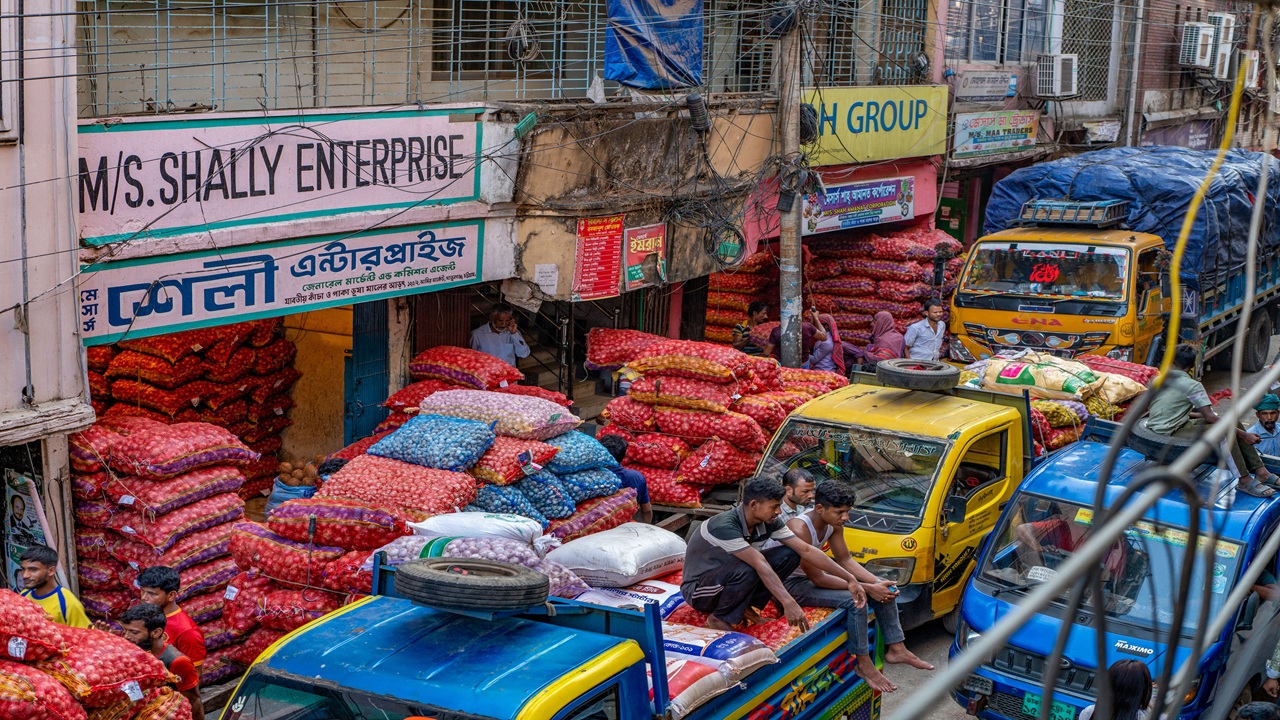

Business at Khatunganj, the country’s largest wholesale consumer goods market, has slowed significantly as floods and persistent torrential downpour across Bangladesh continue to disrupt transportation and supply chains, even though the market itself escaped waterlogging.
While traders have been spared the losses from flooding that affected the market in previous years, they say business activity has fallen to just 25 per cent of its normal level due to reduced movement of buyers and goods.
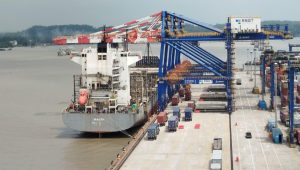
At the same time, tensions are mounting over allegations that imported cargo was damaged after rainwater entered container yards and storage sheds at Chattogram Port.
Business leaders have strongly criticised the Chattogram Port Authority’s decision to invoke an “Act of God” clause to avoid liability for any damage to imported goods and have called for the formation of an independent high-level task force to determine the actual extent of the losses.
Meanwhile, the Bangladesh Garment Manufacturers and Exporters Association (BGMEA) has established a high-level monitoring cell to assess potential damage to imported raw materials stored at the port.
Khatunganj business falls to one-quarter of normal Khatunganj Trade and Industries Association General Secretary Md Aminur Rahman said the absence of waterlogging in the wholesale market prevented any direct damage to goods, but the nationwide flood situation has severely affected commercial activities.

“By the grace of Allah, no water entered Khatunganj this time, so traders did not suffer losses from flooding,” he told TIMES of Bangladesh.
“However, adverse weather conditions across the country have drastically reduced business. At present, only about 25 per cent of normal transactions are taking place, meaning sales have dropped by nearly 75 per cent.”
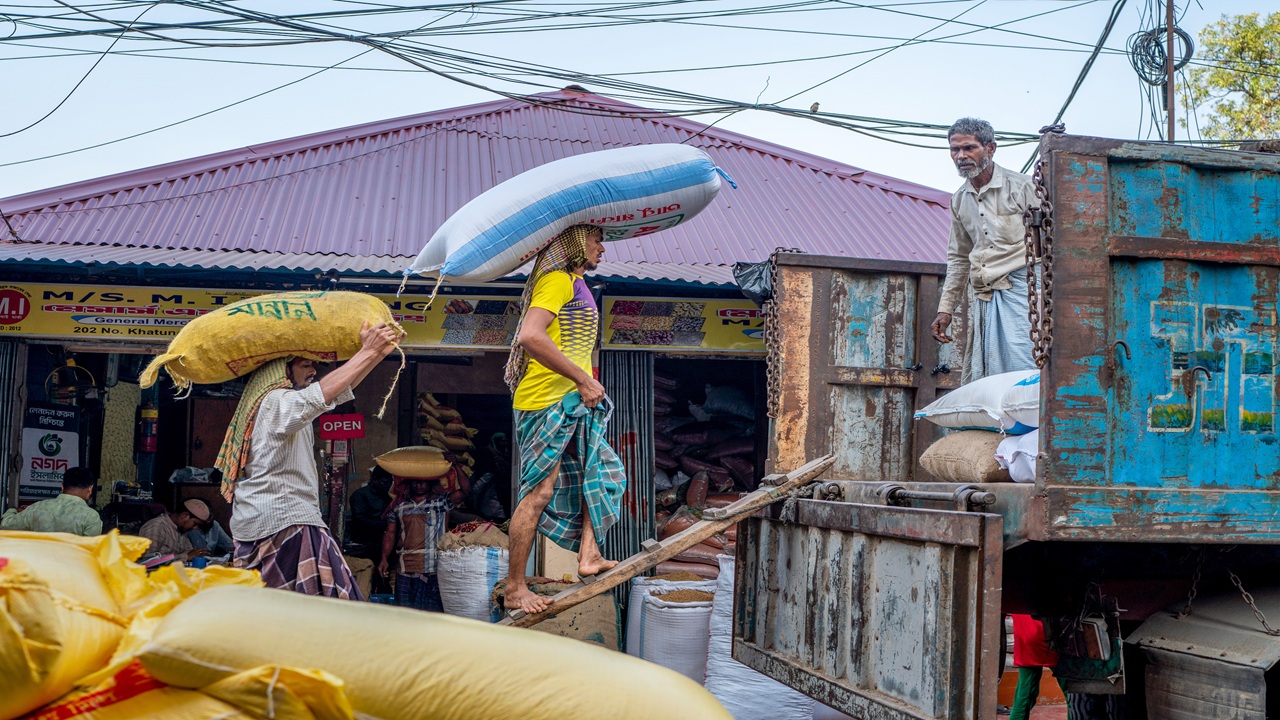
He expressed optimism that business would recover quickly once weather conditions improve and transportation returns to normal. Khatunganj is home to more than 3,500 business establishments and serves as Bangladesh’s largest wholesale hub for consumer goods.
Under normal circumstances, the Chaktai-Khatunganj commercial zone records daily transactions worth between Tk1,000 crore and Tk2,500 crore.




On a typical day, between 250 and 300 trucks carrying imported and domestic goods enter the market, while another 300 trucks and cargo vehicles transport products to destinations across the country.
Allegations of cargo damage at Chattogram Port
Importers have alleged that continuous heavy rainfall since 5 July caused water to enter several container yards and storage sheds inside Chattogram Port, damaging imported cargo.
However, in a notice issued on 10 July, the Chattogram Port Authority stated that any losses resulting from the incident fall under the category of an “Act of God” or natural disaster and therefore the authority would not accept responsibility for any potential damage.
The notice has drawn sharp criticism from the business community.
On 12 July, the Chittagong Chamber of Commerce and Industry (CCCI), BGMEA, the Bangladesh Knitwear Manufacturers and Exporters Association (BKMEA), and the Bangladesh Textile Mills Association (BTMA) jointly wrote to the Shipping Adviser, demanding withdrawal of the notice and proposing the formation of an independent task force to determine the actual quantity and value of damaged goods.
BGMEA forms high-level monitoring cell
In response to growing concerns, BGMEA has established a high-level cell comprising directors from both Dhaka and Chattogram to monitor the situation and protect the interests of garment exporters.
BGMEA Director Enamul Aziz Chowdhury said the committee is being coordinated by the association’s First Vice-President Selim Rahman.
He said all member factories have already been instructed to immediately report any damage to imported raw materials or exportable garments, or any port-related complications affecting their shipments.
“If necessary, BGMEA will directly communicate with the port authority and take the required initiatives to resolve the problems,” he said.
Enamul Aziz also questioned the port authority’s interpretation of the “Act of God” provision. “A devastating cyclone, tidal surge or catastrophic natural disaster may qualify as an Act of God,” he said.
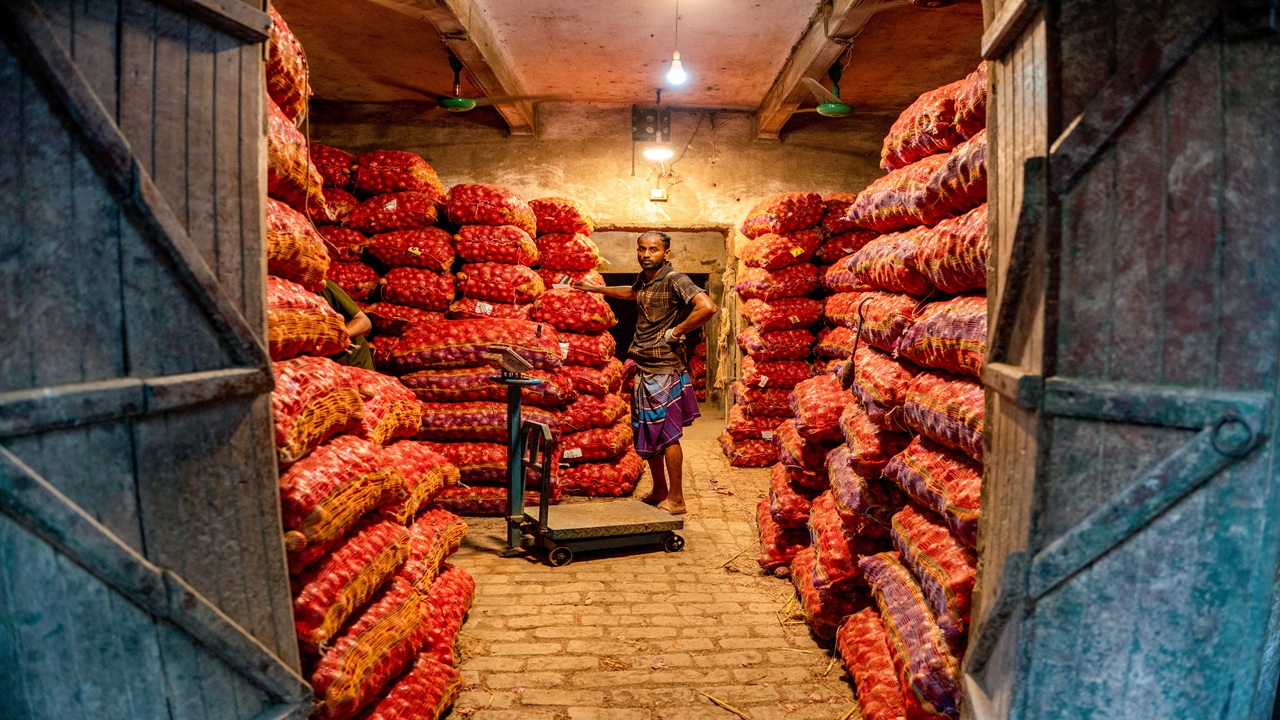
“But regular monsoon rainfall cannot be placed in the same category. It is the port authority’s responsibility to maintain an effective drainage system. If water accumulates because of management failures and damages imported goods, the port authority must accept responsibility.”
Chittagong Chamber of Commerce and Industry President Amirul Haque criticised the port authority for issuing the notice without consulting business representatives. He said decisions affecting trade and commerce should be made only after discussions with the relevant stakeholders.
“This decision was taken without consulting the business community,” he said. “The bigger question is who advised the port chairman to issue such a notice without first discussing it with the stakeholders.”
Amirul Haque reiterated the Chamber’s demand for an independent, high-level task force to conduct an impartial assessment of the quantity of goods damaged and the financial losses incurred due to the prolonged rainfall.
Responding to the allegations, Syed Refayet Hamim, Secretary of the Chattogram Port Authority, said that imported goods remain sealed inside containers, and the port authority does not possess detailed information about the type or value of the goods stored within them.
“For that reason, it is not possible for the port authority to directly determine either the quantity of damaged goods or the financial value of any losses,” he said.