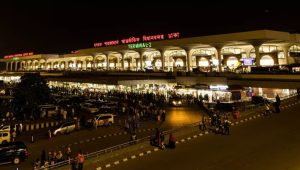



The frustration that once turned Kansat, Chapainawabganj, into the epicentre of a nationwide electricity movement is resurfacing as prolonged load-shedding once again disrupts daily life in the area.
Residents say they have lost track of power schedules, with frequent outages persisting day and night. Local businesses are suffering, students struggle to study, and many residents describe sleepless nights as an exhausting daily reality.
According to power authorities, the region receives only around two-thirds of its required electricity supply, with a portion strictly reserved for critical infrastructure – making severe load-shedding unavoidable.
The crisis has revived painful memories of 2006, when Kansat witnessed one of the country’s most historic anti-outage movements. Clashes with law enforcement during the protests claimed nineteen lives, turning the remote village into a national flashpoint.
The deaths brought intense political pressure onto the then BNP-Jamaat alliance government, triggering widespread demonstrations across the country demanding reliable power. Golam Rabbani, one of the central figures of the Kansat movement, later transitioned into parliamentary politics.
For years following the uprising, Kansat enjoyed a relatively stable electricity supply as authorities prioritised the historic area.

However, locals say the current shortfall feels like a return to those dark days.
At Bekir Mor, the gateway to Kansat union, tea seller Sumon Ali told TIMES of Bangladesh, “We get electricity for a maximum of 10 to 12 hours a day now. Yet there was a time when people here had almost forgotten what load-shedding was.”
Local trader Selim Mia added, “We didn’t have to worry much about electricity in recent years. Now, there’s no telling when it will come or go. At night, we can barely sleep.”
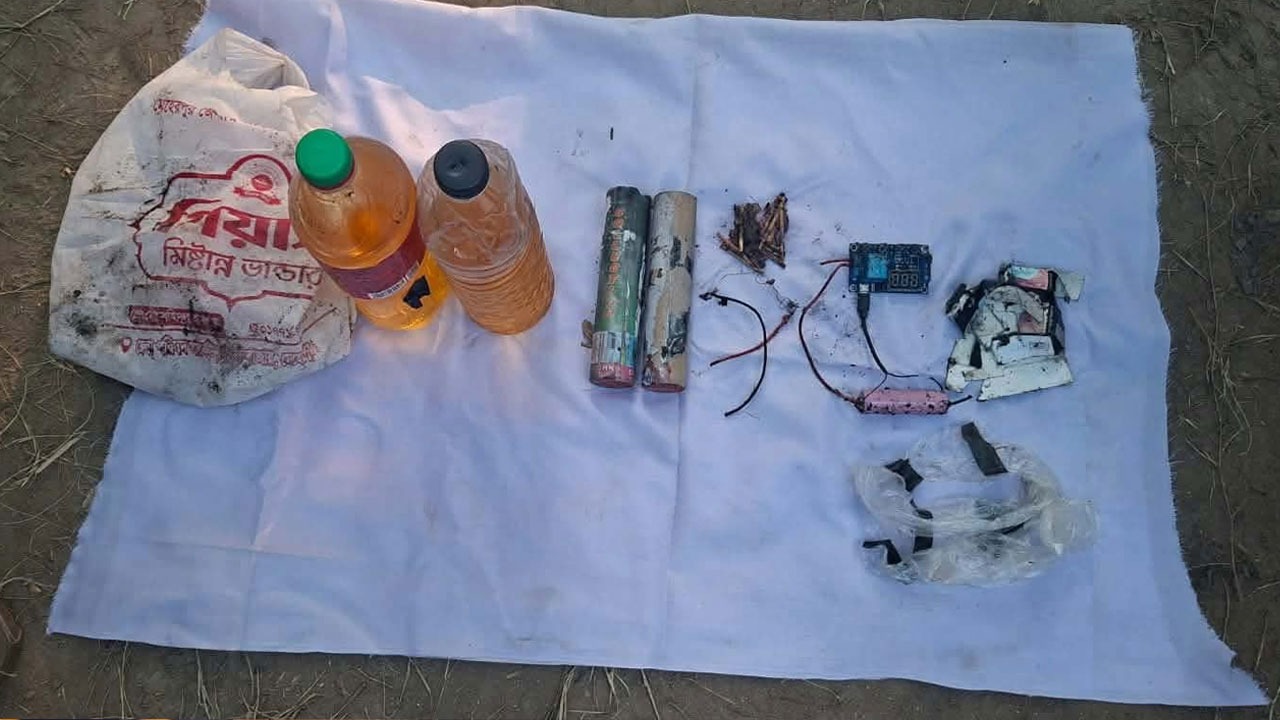


A movement leader’s abandoned home
The home of Golam Rabbani, once the prominent face of the 2006 Kansat movement, now stands almost abandoned.
Following the uprising, Rabbani ran in the ninth parliamentary election as a Gono Forum candidate but was unsuccessful. He later joined the Awami League in 2013 and was elected MP for the constituency in the 10th parliamentary election.
On 5 August 2024, during the mass uprising that led to the fall of the Awami League government, Rabbani’s home was attacked, ransacked, and set ablaze. The charred, ruined structure now carries little trace of its former political significance.
The constituency had previously delivered the Awami League its first parliamentary victory in the area since 1973 during the ninth general election, after which local MP Mohammad Enamul Haque served as State Minister for Power.
Sohel Rana, who runs a grocery shop next to Rabbani’s burnt house, recalled how power supply had long been treated as an urgent priority in the locality.
“Back when we had the state minister for power and Golam Rabbani, electricity supply here was almost uninterrupted. But this time, Kansat no longer seems to be getting any special priority,” he said.
Students and businesses suffer
Further down the road towards Kansat High School, evening gatherings among locals inevitably turn to the deteriorating power situation.
Hasan Ali, who owns a grocery store opposite the Kansat zonal office of Chapainawabganj Palli Bidyut Samity, noted, “Severe load-shedding has been going on for nearly two years now. Trying to sleep at night has become an ordeal.”
The education sector is equally hit. Abdul Hadi, a Class X student at Kansat High School, said, “The power cuts disrupt my classes at school and make it nearly impossible to study at home in the evenings.”
While Rabbani could not be reached for comment, TIMES spoke with Jahir Hasan Chowdhury, another leader of the Kansat movement who was arrested during the 2006 protests.
“Following the movement, not just Kansat but the entire electricity situation across Chapainawabganj remained stable for many years,” Chowdhury said. “Amid this current crisis, people are growing deeply frustrated and angry all over again.”
Supply deficit drives outages
Addressing the situation, Fazlur Rahman, General Manager of Chapainawabganj Palli Bidyut Samity, confirmed that a severe supply shortfall is forcing authorities to implement rolling blackouts.
“During night-time peak hours, our electricity demand reaches around 75 megawatts, but we receive a supply of only 53 to 54 megawatts. When supply falls this far short of demand, load-shedding becomes essential,” Rahman told TIMES.
For the people of Kansat, however, these recurring outages are far more than a passing inconvenience. They serve as a grim reminder of a turbulent chapter in their history – one they hoped they had left behind for good.