Every day, thousands of passengers stream through Kamalapur Railway Station hauling bags, chasing schedules, and heading toward destinations that feel urgent and ordinary at once. Yet almost none of them look up. Above the platforms, just a few metres higher, another world quietly survives.
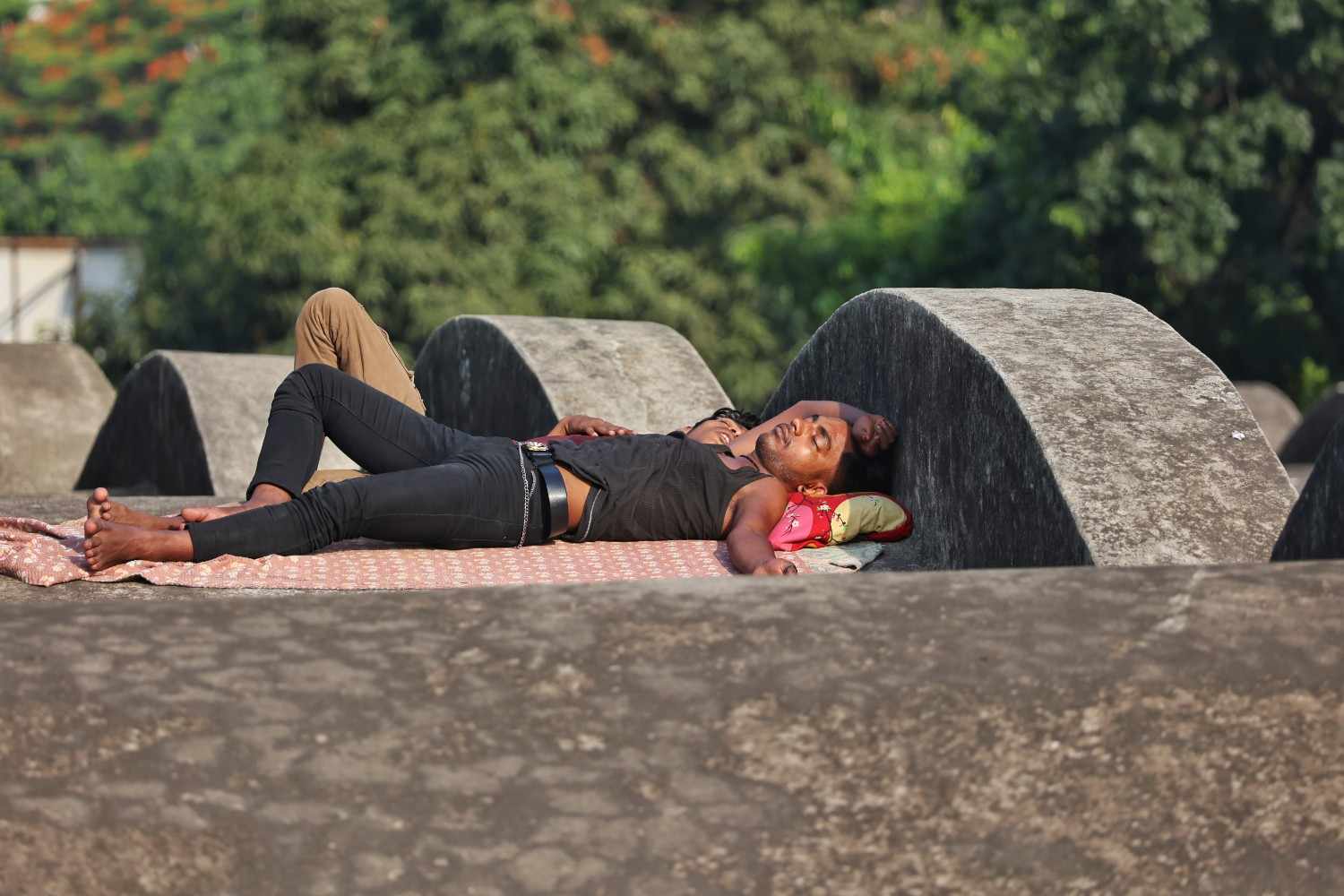
On the station’s rooftop, dozens of homeless men, women, and children have built an improvised settlement out of necessity rather than choice.
From the ground, it is nothing more than a concrete slab sheltering water tanks and cables. But after dusk, it transforms into a fragile home. Blankets are unrolled in neat rows, torn plastic sheets are stretched for cover, and bundles of belongings become makeshift pillows under the open sky.
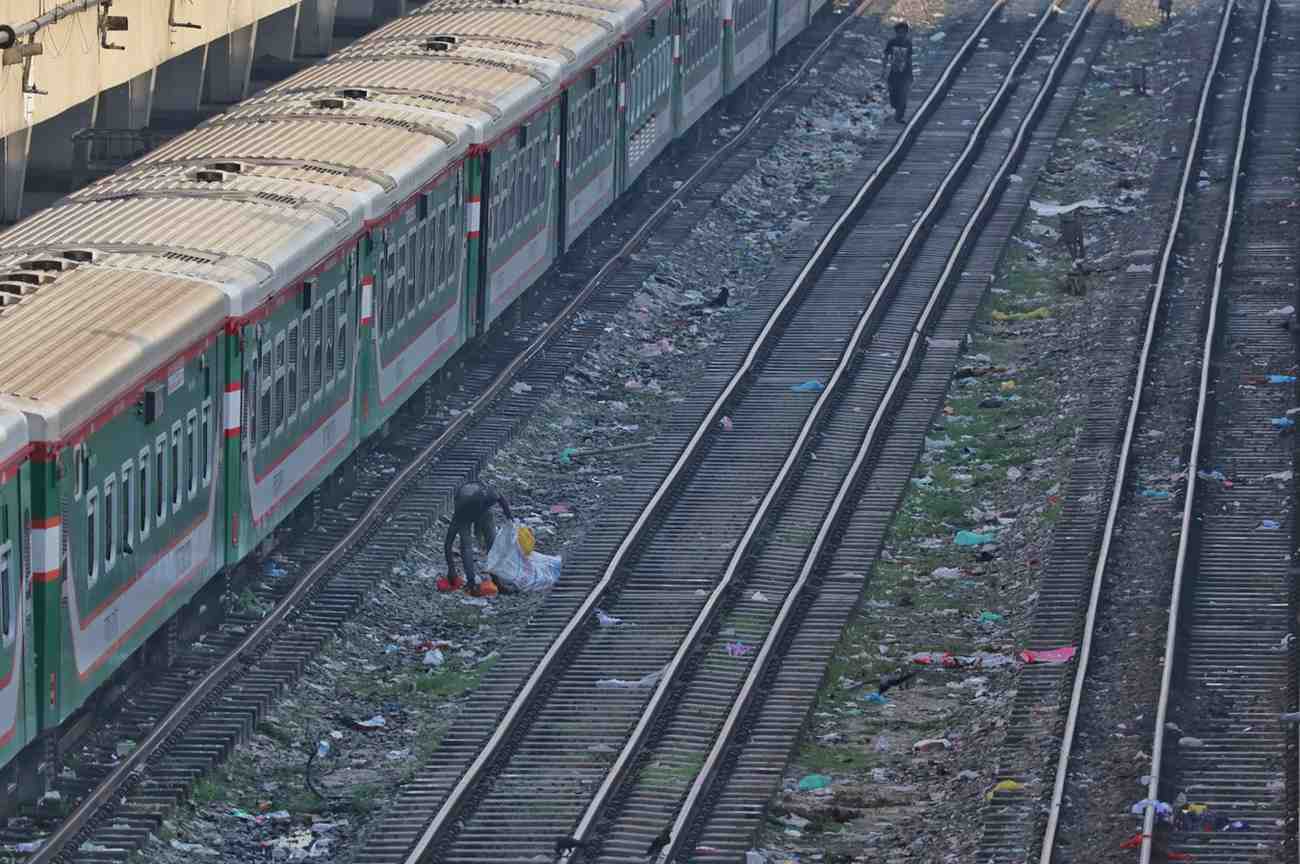
Most of the people here arrived in Dhaka chasing work, stability, or simply a way out of rural hardship. The city offered opportunity but not affordability. With no access to formal housing and no steady income, the rooftop became a last refuge: exposed, unsafe, but free.
Life here moves with the weather. Monsoon rains turn the concrete into a slick, soaking surface where belongings must be constantly rescued. Summer heat lingers through the night, trapped in the slab beneath them.


In winter, cold winds cut across the open height with no barrier for protection. Still, as evening falls, people return quietly, reclaiming their space above the station.
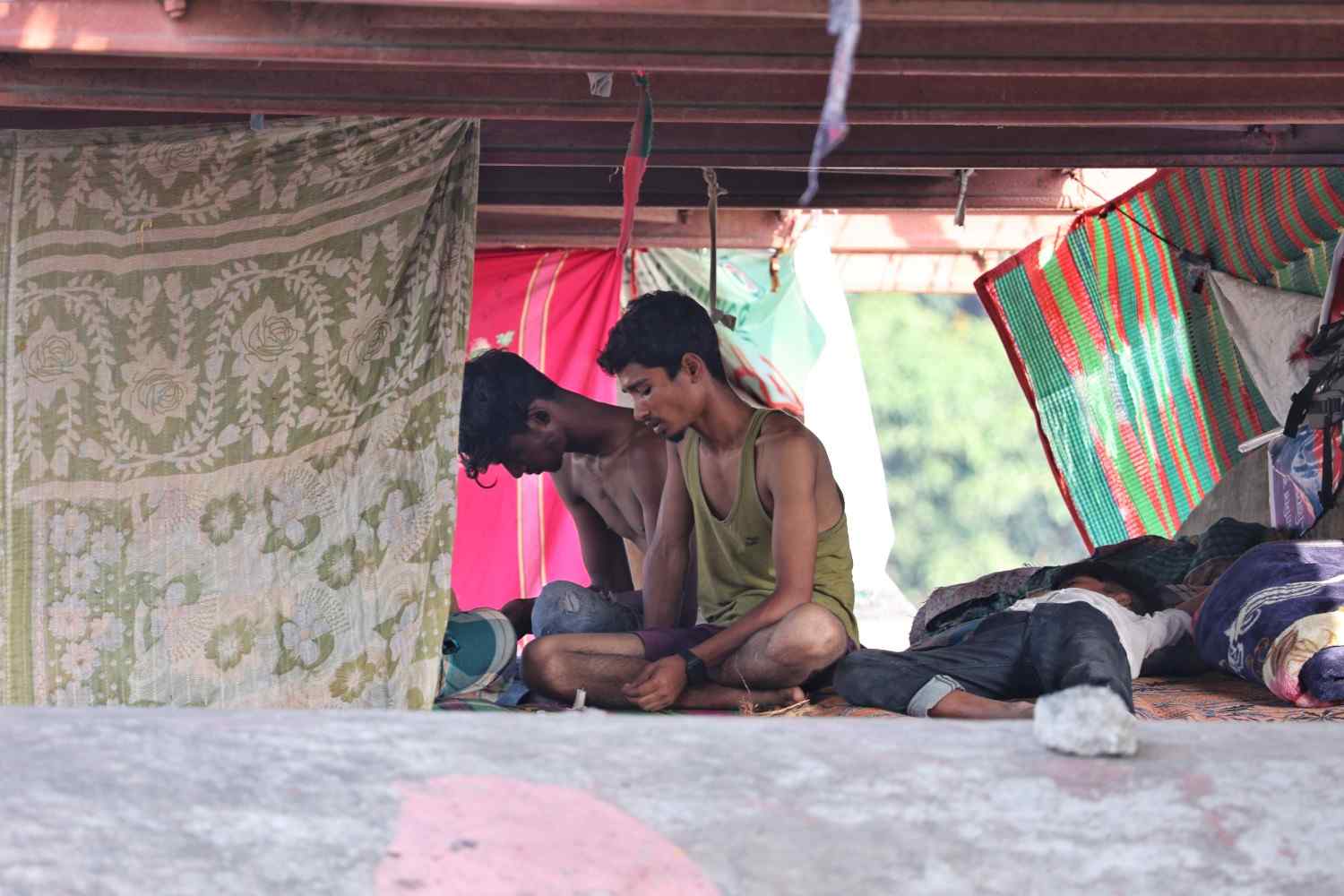
Children grow up to the rhythm of trains. The whistles, announcements, and rolling carriages form the soundtrack of their childhood.
Some spend their days collecting scraps of recyclable material; others accompany parents into informal labour around the station. For them, this rooftop is not an unusual place to sleep; it is the only place they know as home.
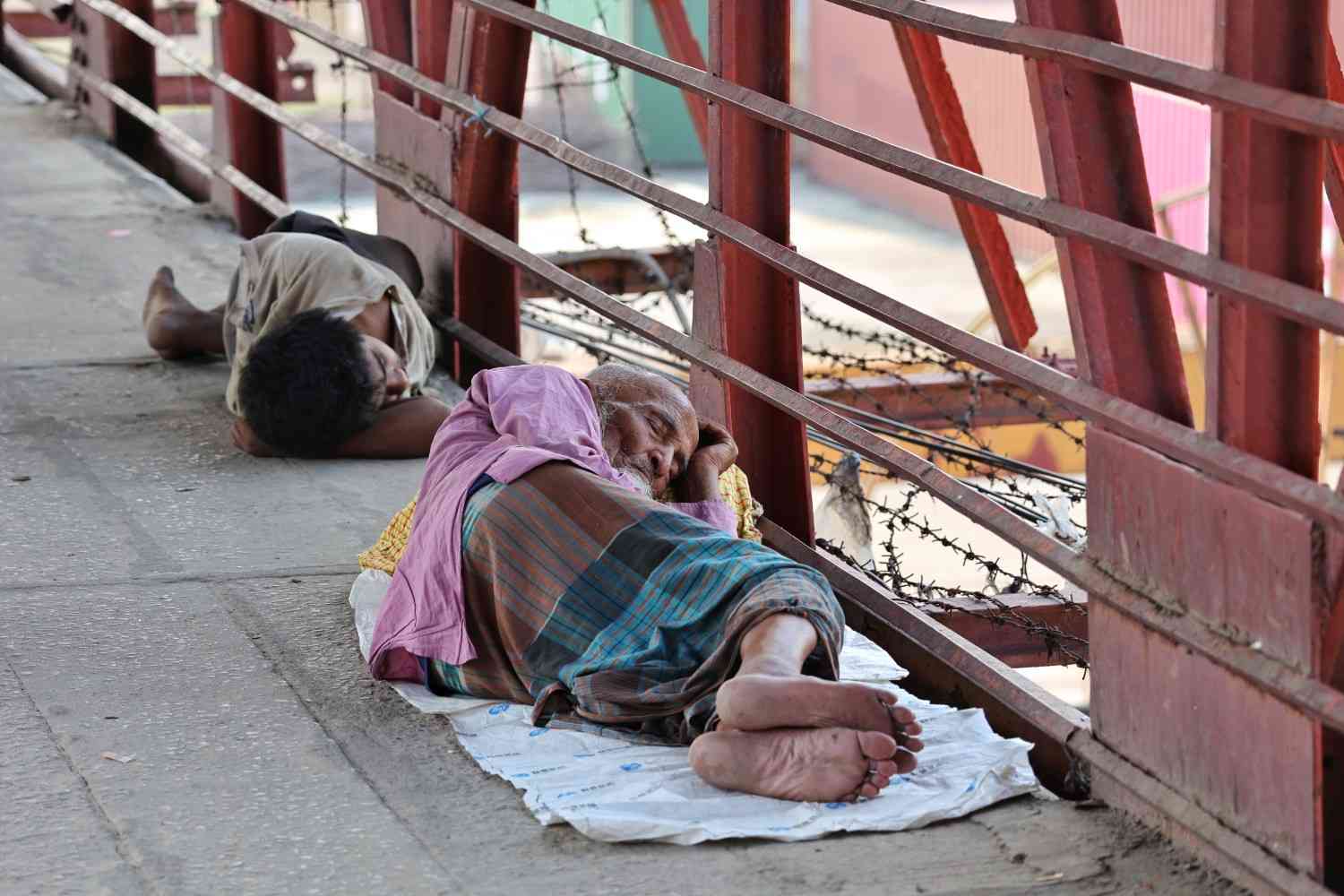
The contrast is almost surreal. Below, passengers argue about tickets, plan holidays, and measure time in departures and arrivals. Above, time is measured in survival: in dry nights, in meals earned, in the uncertain hope of tomorrow.
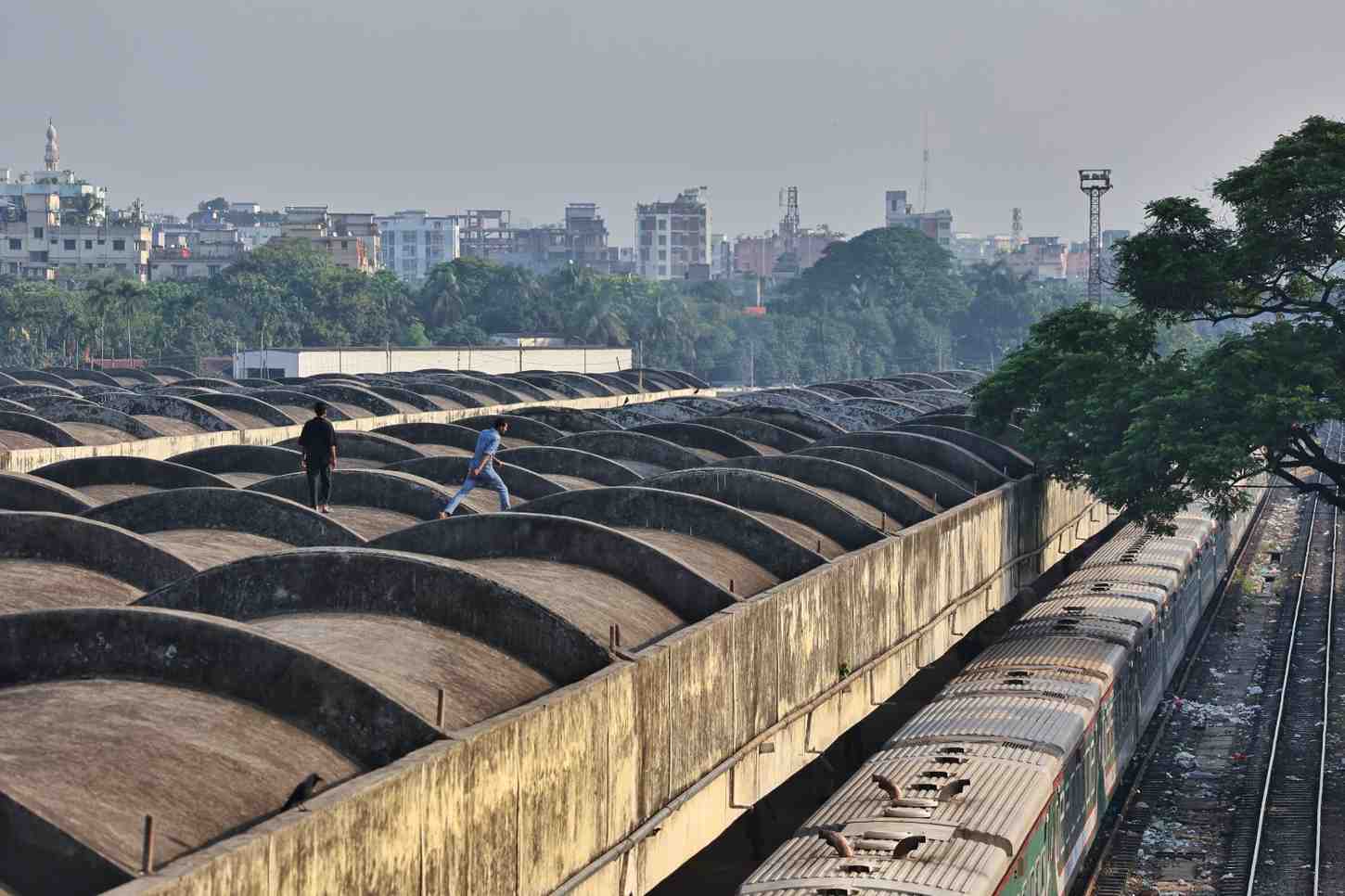
Kamalapur Railway Station was built to connect Bangladesh to new horizons. But on its rooftop, it quietly holds those for whom every day is not a journey forward but a struggle to stay in place.