Bangladesh’s merchandise exports surged 25.9 per cent in June, narrowing the country’s export decline in fiscal 2025-26 to just 0.58 per cent as a late rebound in ready-made garment (RMG) shipments and broad-based gains across manufacturing sectors offset months of weak global demand, high inflation and domestic energy shortages.
Provisional data released by the Export Promotion Bureau (EPB) on Thursday showed exports rose to $4.20 billion in June from $3.34 billion a year earlier. The strong finish lifted merchandise exports to $48.00 billion in FY26, compared with $48.28 billion in the previous fiscal year.
The June rebound suggests overseas buyers resumed placing orders after months of inventory correction, although exporters continued to contend with higher production costs and erratic gas supplies during much of the fiscal year.
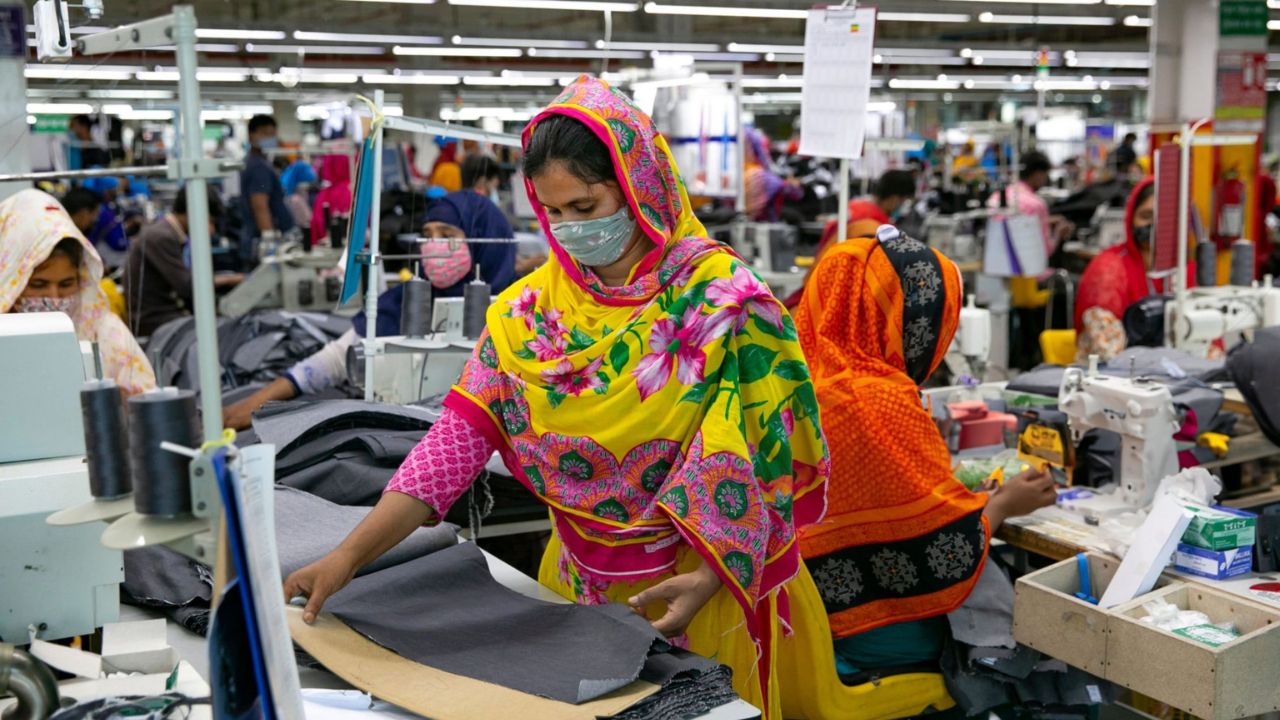
RMG exports, which account for more than four-fifths of Bangladesh’s overseas shipments, climbed 21.5 per cent year on year to $3.39 billion in June. Woven garment exports rose 24.0 per cent, outpacing knitwear’s 19.5 per cent growth.
Despite the strong end to the year, annual RMG exports declined 1.64 per cent to $38.70 billion. Knitwear exports fell 2.53 per cent to $20.62 billion, while woven garments slipped 0.61 per cent to $18.08 billion.

Several non-apparel sectors delivered stronger growth during the fiscal year, reflecting gradual diversification of the country’s export basket.
Engineering product exports rose 21.8 per cent to $652.15 million, driven by a 23.8 per cent increase in electrical products and a 29.7 per cent rise in bicycle exports.
Leather and leather products expanded 7.1 per cent to $1.23 billion as exports of higher value-added leather goods jumped 16.1 per cent to $400.41 million.




Jute and jute goods increased 7.8 per cent to $883.69 million, supported by an 18.2 per cent rise in jute yarn and twine exports despite weaker raw jute shipments. Home textile exports grew 6.5 per cent during the fiscal year after surging nearly 60 per cent in June.
Ship and floating structure exports climbed more than sixfold to $22.53 million, although from a relatively small base.
Agricultural exports presented a mixed picture. Earnings from primary agricultural products slipped 1.3 per cent to $975.39 million despite an 87.2 per cent jump in fruit exports. Tobacco exports fell 21.4 per cent, while exports of animal and vegetable fats and oils dropped 52.1 per cent.
Seafood exports edged up 0.4 per cent to $443.42 million. Shrimp exports declined 3.6 per cent, but crab exports surged 49.0 per cent, while frozen fish exports also recorded modest growth.
Pharmaceutical exports increased 11.9 per cent to $238.49 million, while plastic products rose 8.1 per cent to $307.18 million. Within the sector, exports of PVC bags climbed 34.1 per cent and plastic tableware and kitchenware increased 33.6 per cent.
Several traditional export sectors remained under pressure. Cotton and cotton products fell 9.1 per cent, paper products declined 12.9 per cent and ceramic exports dropped 18.6 per cent. Handicrafts, wigs and human hair, terry towels and furniture also posted lower export earnings.
The United States remained Bangladesh’s largest export destination, with annual shipments rising 4.1 per cent to $9.05 billion. June exports to the US jumped 40.9 per cent.
Exports also recorded year-on-year growth in other major markets during June, rising 5.0 per cent to Germany, 18.6 per cent to the United Kingdom, 33.1 per cent to Spain, 39.2 per cent to India and 48.2 per cent to China. Shipments to the United Arab Emirates more than doubled, while exports to Saudi Arabia rose 70.5 per cent.
June exports were nevertheless 4.5 per cent lower than May’s $4.40 billion, indicating that the recovery remains uneven.
The broad-based improvement across engineering products, pharmaceuticals, leather goods, jute products and other manufacturing segments nevertheless helped cushion the decline in apparel exports, underscoring the growing role of export diversification in supporting Bangladesh’s external trade performance.
The Export Promotion Bureau remains optimistic that the positive momentum observed in June, coupled with the continued diversification of products and markets, will provide a strong foundation for export growth in FY 2026–27 and contribute to the country’s sustainable economic development.