Despite uncertainties and multiple challenges surrounding participation in the upcoming parliamentary election, Jatiya Party (JaPa) has quietly intensified its election preparations with senior party leaders touring districts to finalise potential candidates.
According to party insiders, JaPa – headed by GM Quader – has received informal signals that the government will not exclude it from the polls, as ensuring the party’s participation is crucial to presenting the election as participatory. BNP doesn’t also want to keep JaPa out of electoral race as part of a strategy to put pressure on Jamaat-e-Islami.
“Since Awami League is out of the election, bringing back a democratic course and ensuring an inclusive vote would require JaPa’s participation,” observed political analyst Professor Abdul Latif Masum.
Although there are no legal obstacles preventing JaPa from contesting, most parties are not enthusiastic about its participation. As a result, JaPa is treading carefully, refraining from publishing names of its candidates for now and waiting for a more favourable law and order situation before the election schedule is announced.
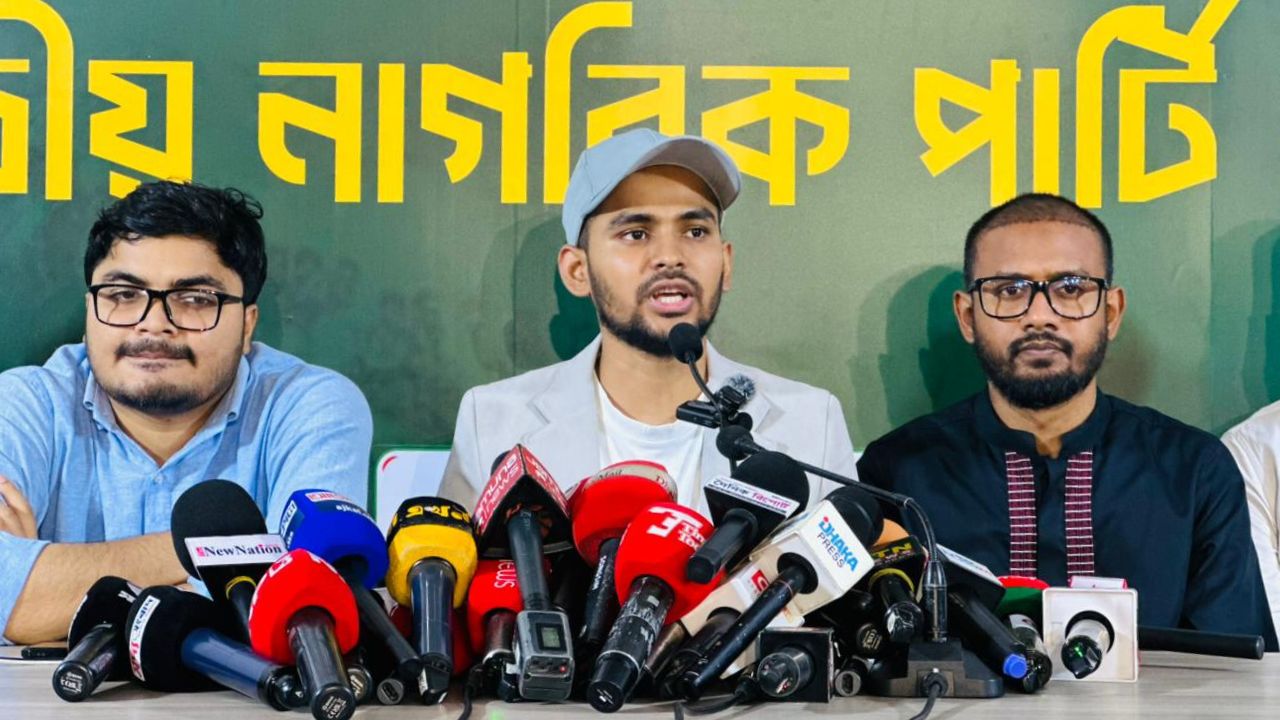
Smaller parties aligned with the July uprising, including Jamaat-e-Islami, National Citizen Party (NCP), and the Gano Odhikar Parishad, are lobbying for JaPa’s exclusion from the polls, accusing it of having supported Sheikh Hasina to become an authoritarian.

Political observers, however, note that holding an election without JaPa would risk drawing international criticism, as happened with polls under Hasina’s regime, and could undermine Bangladesh’s fragile democratic progress—especially with Awami League already out of the race.
Taking these realities into account, JaPa is advancing cautiously but steadily, said JaPa Secretary General Barrister Shamim Haider Patwary.
“So far, there is no real environment for a participatory election. It cannot be participatory if a large segment of the population is left out. We hope the government will create space for all parties, including JaPa, to take part. Even a refined or clean-image section of Awami League should be given the opportunity to contest.”



Asked if JaPa would nominate candidates Awami League backgrounds, Patwary said, “Not only Awami League figures—any qualified and clean candidate could be considered.”
Party sources said JaPa is being highly strategic this time. With Awami League’s activities banned, JaPa plans to attract its former vote bank by nominating respected individuals with past associations or public credibility, including professionals and businessmen.
The party is preparing an initial list for around 200 constituencies and expects to finalise the rest by 15 November, with Rangpur and Rajshahi divisions identified as priority areas.
Coordinating closely with the authorities, JP aims to announce its final candidate list by 30 November.
However, expressed concern, JaPa presidium member Haji Saifuddin Ahmed Milan said, “We are not sure whether we can participate at all. Both the government and most political forces seem to be against us. Contesting in this situation could be a risk to our candidates and workers.”
He added, “JaPa wants to contest, and we hope the government will create a favourable environment. A participatory election is impossible without JaPa’s inclusion.”
Since the fall of Awami League government on 5 August 2024, JaPa has struggled to adapt to the changed political landscape. Long perceived as a loyal opposition and ally of Awami League, the party faced widespread backlash after the regime’s collapse. Its central office was torched, cases were filed against Chairman GM Quader and senior leaders, and its influence appeared to wane.
However, from early this year, JaPa began repositioning itself, taking a anti-government stance. Despite being named in cases linked to the July uprising, none of its top leaders were arrested, fueling speculation about the party’s resilience and hidden leverage.
The attack on Gano Odhikar Parishad chief Nurul Haque Nur in August, allegedly involving law enforcement personnel, intensified calls from Jamaat and NCP to ban JaPa, though BNP took a more strategic position.
Founded by HM Ershad in 1986, Jatiya Party is now split into six factions. After being part of the Awami League-led government from 2009 until its fall in 2024, the once-strong “third force” has seen its base erode, especially in its northern strongholds.
Whether JaPa can overcome these challenges and reassert its influence in the upcoming polls remains an open question.