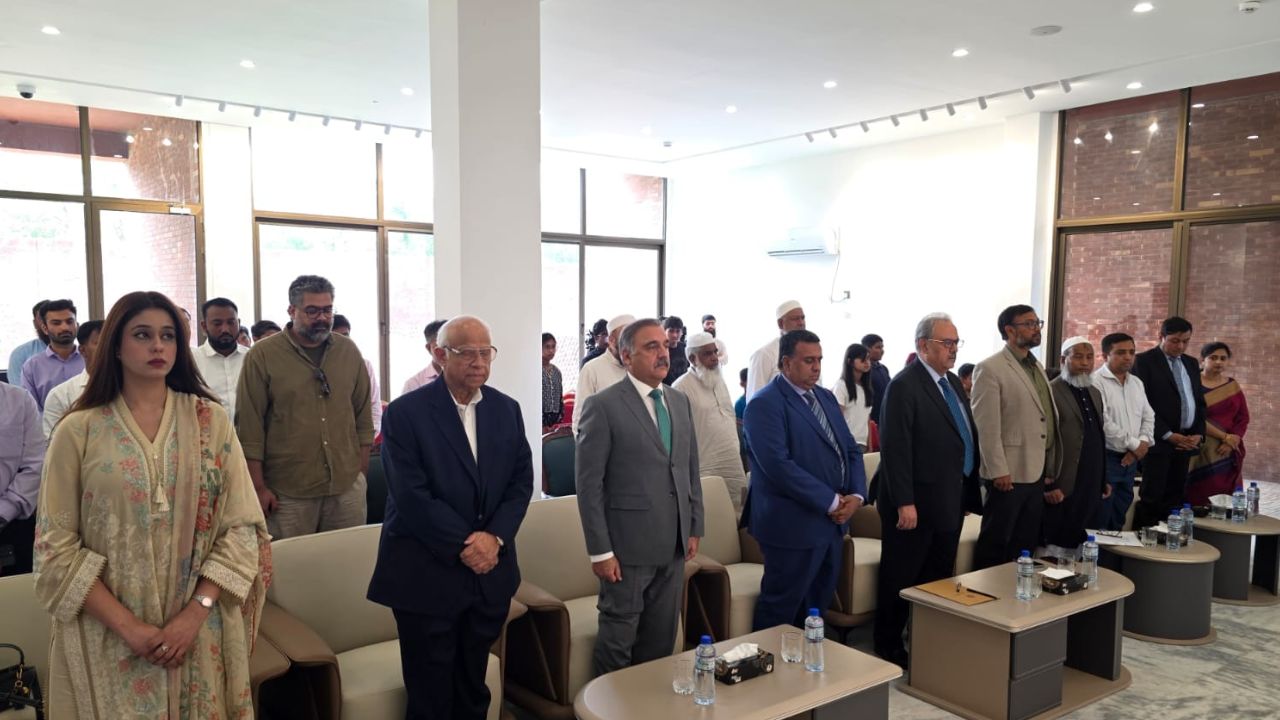

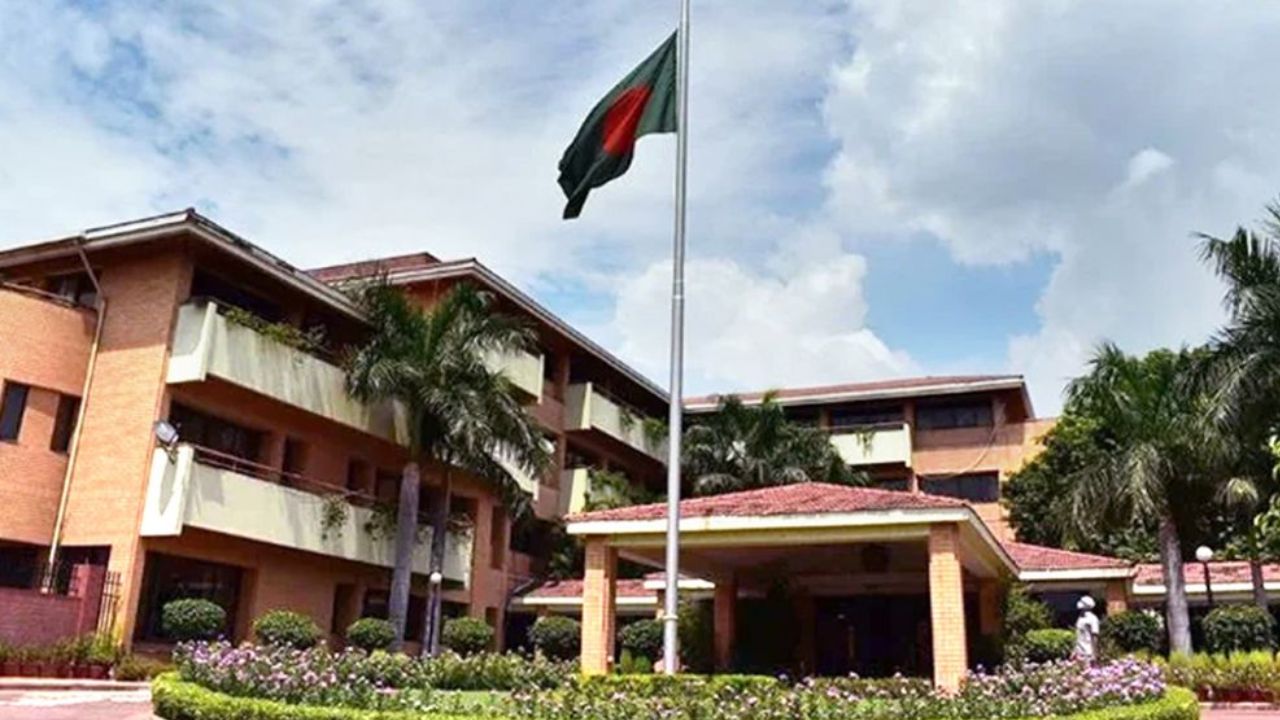
July Martyrs Day 2026 was observed today at Bangladesh High Commission in Islamabad with due solemnity and respect.
The proceedings commenced at the High Commission’s conference room with a recitation from the Holy Quran, followed by a one-minute silence observed in memory of the martyrs of the July uprising.
Messages issued by the president and the prime minister of Bangladesh for the occasion were also read out.
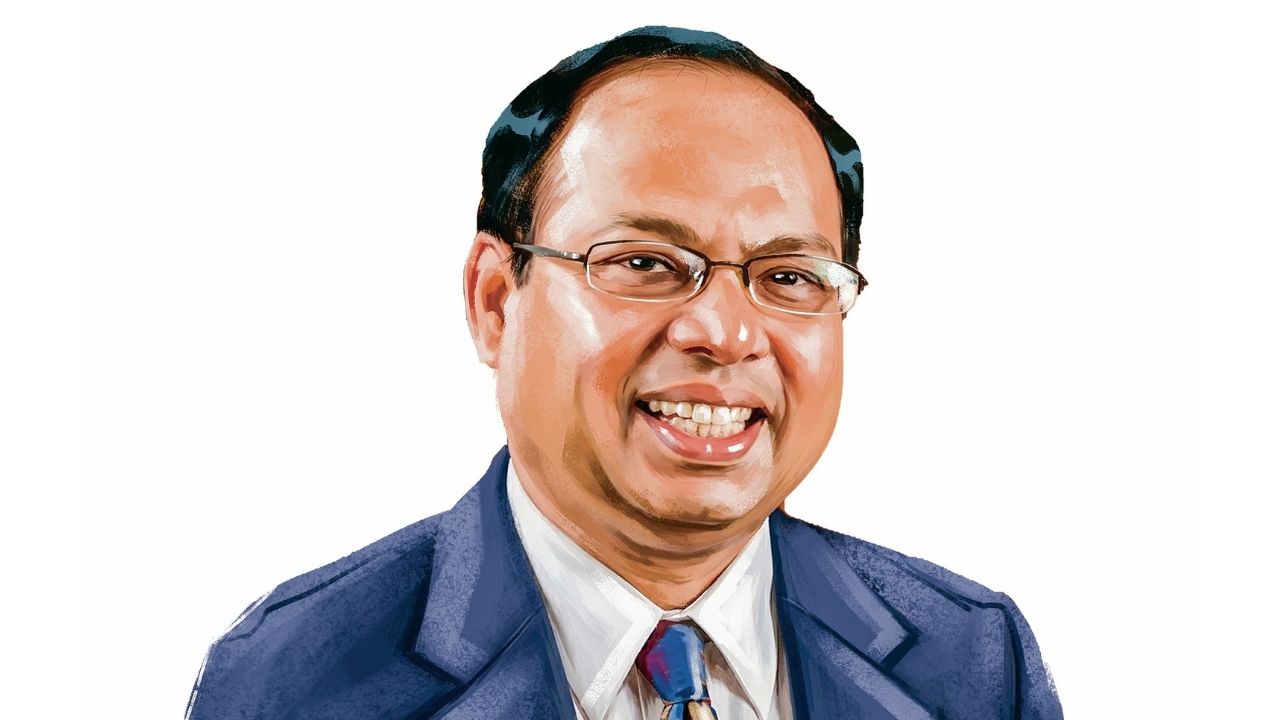
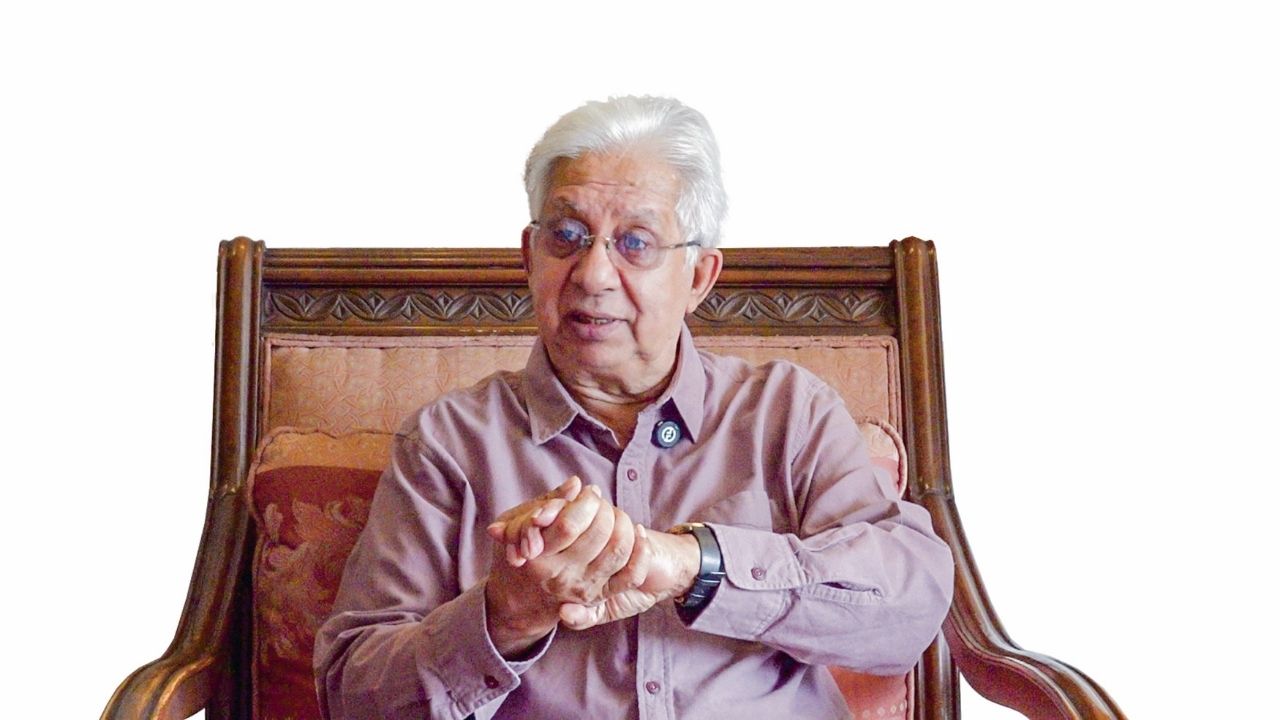
A discussion session featured prominent speakers, including Chairman of the Pathfinder Group Ikram Sehgal, Senior Research Fellow at the Islamabad Policy Research Institute Ambassador Asif Ali Khan Durrani, Principal of the Institute of Peace and Conflict Studies at NUST University Maj Gen (Retd) Zahid Mahmood, Director of the Marriott Hotel Islamabad Amna Salman Kadir, and Editor Special Reports of the Jang Group M Saleh Zaafir.
Members of the Bangladeshi community in Islamabad and officials of the High Commission also participated.

The speakers paid profound tribute to the heroes who sacrificed their lives during the July mass uprising, reminiscing about their extraordinary contributions.
They said following the uprising, significant progress has been made in Bangladesh’s democratic system, and the relationship between Bangladesh and Pakistan has strengthened compared to previous times.
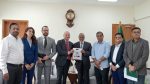


During the discussion, speakers emphasised that the mass uprising was not the achievement of any single individual, party, or group, but rather the result of the collective aspiration, courage, and sacrifice of pro-democracy people.
They said the sacrifice of the July martyrs serves as a reminder that the people are the source of all state power.
They added that the highest responsibility of the state is to ensure the fundamental rights, interests, dignity, and justice for its citizens. The spirit of July, they added, inspires the formation of a humanitarian, autocracy-free, equitable, and corruption-free state.
It was highlighted that the current democratic government remains committed to ensuring the honour and recognition of the martyrs and injured warriors, the welfare of their families, the rehabilitation of the wounded, and a fair trial for the related killings.
A collective call was made for everyone, regardless of political affiliation, to work together to build the Bangladesh of the martyrs’ dreams – a non-discriminatory, democratic, accountable, and justice-based [Insaaf-based] harmonious state.
The High Commissioner respectfully remembered the martyrs and the students and people injured in the movement, many of whom continue to live in pain due to permanent disabilities.
He expressed deep condolences to the families of the martyrs who continue to show immense patience and courage despite their grief. He also gratefully acknowledged the sacrifices of all patriotic citizens who participated in the uprising.
In his remarks, the High Commissioner recalled that on this day in 2024, at least six people were martyred, including Abu Sayeed, a student of the English Department at Begum Rokeya University in Rangpur, and college student Mohammad Wasim Akram in Chittagong, both of whom fell to police fire during the anti-fascist movement.
He also highlighted the subsequent arrests and oppression of public university students, which eventually led to a spontaneous and intense movement joined by private university students and the general public.
The event concluded with a special prayer seeking eternal peace for the souls of the martyrs of the July mass uprising and the continued peace and prosperity of the country.