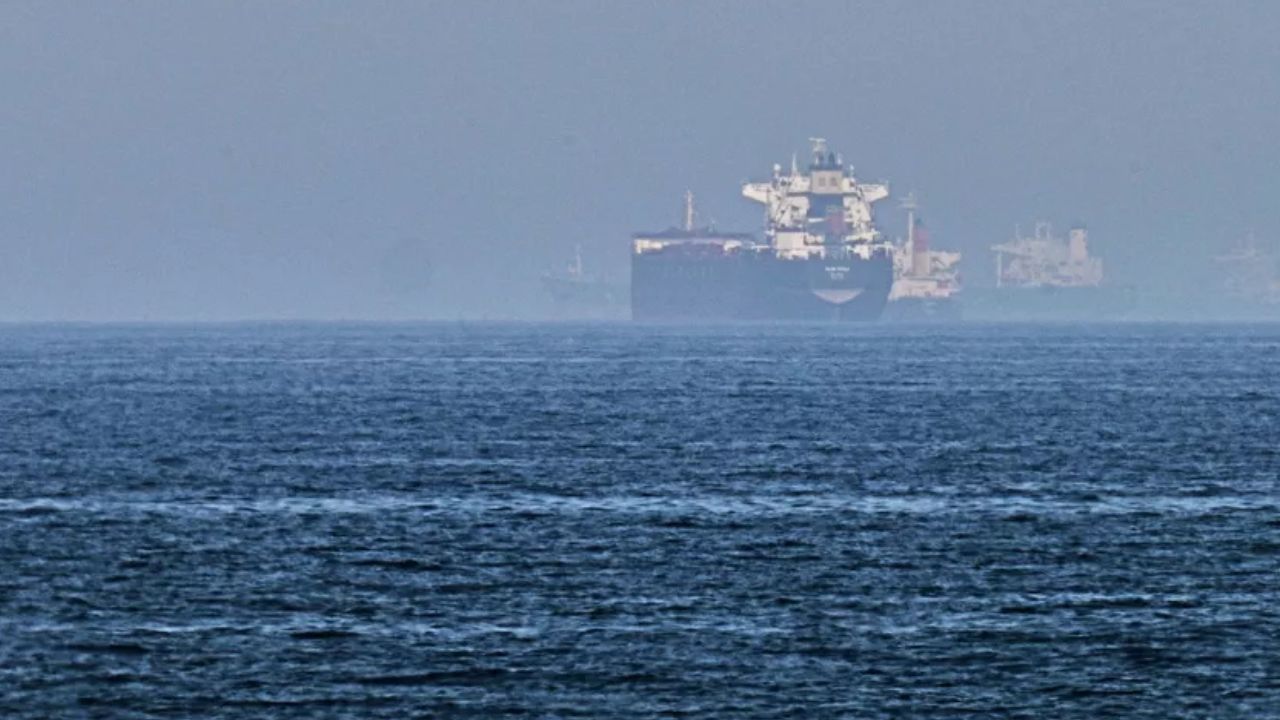



Iran’s Supreme National Security Council said on Saturday that the Strait of Hormuz will remain closed until the United States changes its conduct towards Tehran, unveiling a fresh set of demands that could complicate the delicate negotiations under way over the waterway’s future.
The statement was delivered through Iran’s state broadcaster by council secretary Mohammad Bagher Zolghadr, who also holds a senior command role within the Revolutionary Guard, says AP.
The declaration came on the same day that Iranian officials indicated they were nearing a separate arrangement with Oman concerning navigation rights through the strait, underscoring the complex, multi-layered nature of the ongoing talks.
According to the council’s statement, Tehran’s list of conditions is extensive. It calls for a permanent end to hostilities involving Iran and its allied armed groups across the region, an explicit commitment from Washington never again to threaten Iran, and the lifting of what Tehran describes as a naval blockade imposed on Iranian ports.
Iran is also demanding the withdrawal of American military forces from the wider region, full compensation for damage inflicted during the war, the removal of sanctions currently in place against it, and the unconditional release of Iranian assets that remain frozen abroad. Washington had not issued any public response to the demands as of Saturday.

These conditions do not emerge in isolation. Under the interim agreement reached between the two sides in June, a schedule for eventually lifting sanctions and addressing the question of compensation was always intended to form part of a final, comprehensive settlement, while the matter of frozen assets was likewise earmarked for resolution through further negotiation.
Iran’s latest statement appears to be an attempt to accelerate or reshape that process, tying the reopening of one of the world’s most strategically important waterways to progress on these broader, unresolved issues between Tehran and Washington.
Separately, Iranian Foreign Minister Abbas Araghchi said earlier on Saturday that his country was close to finalising an agreement specifically on navigation through the strait. However, he was careful to stress that the strait’s actual reopening remained contingent on the wider set of conditions being met.



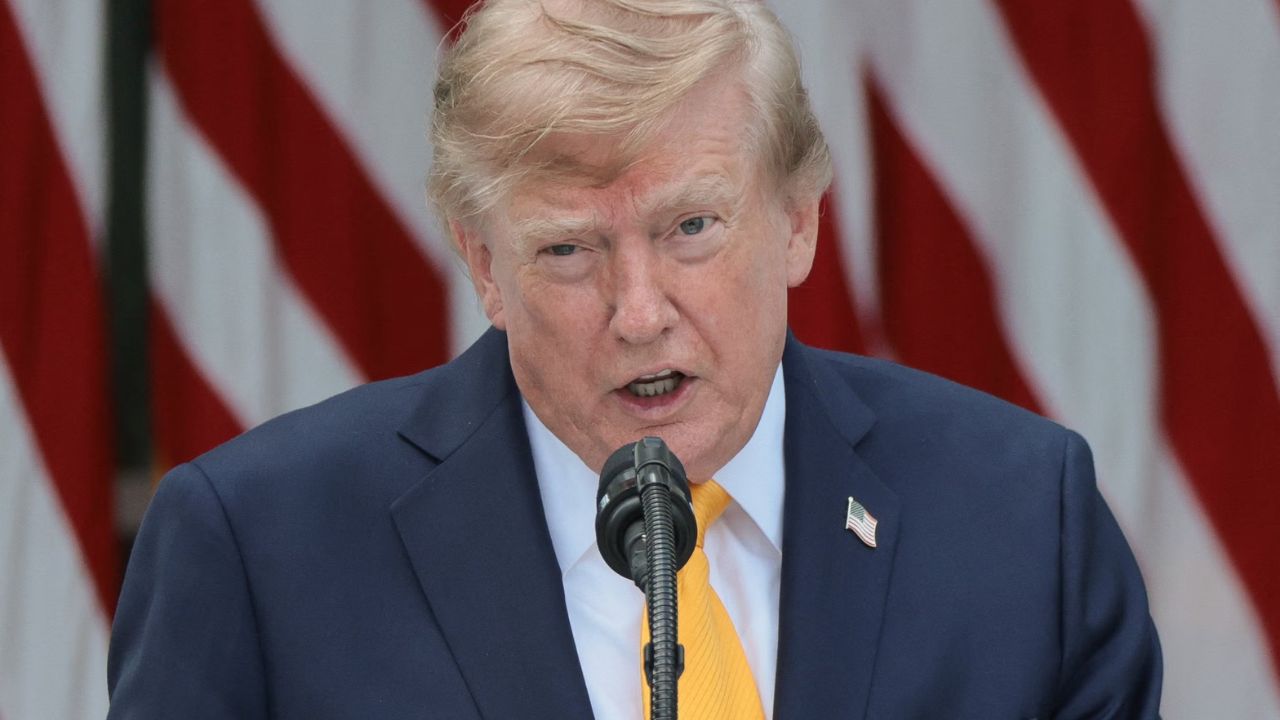
Araghchi placed the blame for the current impasse on what he characterised as a violation by the United States of the terms of the interim deal signed in June, comments he shared via social media rather than in a formal press setting.
Oman, which has been quietly mediating between Iran and the United States and has generally said little publicly about the substance of the talks, issued its own statement on Saturday.
Muscat said discussions were continuing in what it described as a positive and constructive atmosphere, while also condemning recent attacks on shipping vessels passing through the strait — a reference to the wider pattern of maritime incidents that has accompanied the standoff.
Details of the prospective Iran-Oman arrangement have also begun to emerge. The Strait of Hormuz, a vital artery for global oil and natural gas supplies that was recognised as an international waterway before the outbreak of war, sits between Iran and Oman, giving Muscat a uniquely central role in any resolution.
Two people familiar with the negotiations, speaking on condition of anonymity because they were not authorised to discuss the matter publicly, said the emerging deal would be temporary in nature.
Under its terms, vessels would enter the strait via a route running close to the Iranian coastline and exit through a corridor nearer to Oman, with no fees or tolls charged to shipping during this interim period.
The broader purpose of the arrangement, according to the same sources, is to help revive an earlier understanding reached separately between the United States and Iran, and in doing so restart a 60-day window for the two countries to negotiate substantively over Tehran’s nuclear programme.
During that period, Iran is expected to be permitted to resume oil exports.
The sources added that the arrangement already has the backing of members of the Gulf Cooperation Council, and that once finalised it is expected to be announced jointly by Iran, Oman, the United States and the International Maritime Organization, a United Nations body.
They cautioned, however, that the precise terms could still change before any deal is formally concluded. The existing 60-day deadline for reaching a comprehensive final agreement is due to lapse within the coming week.